
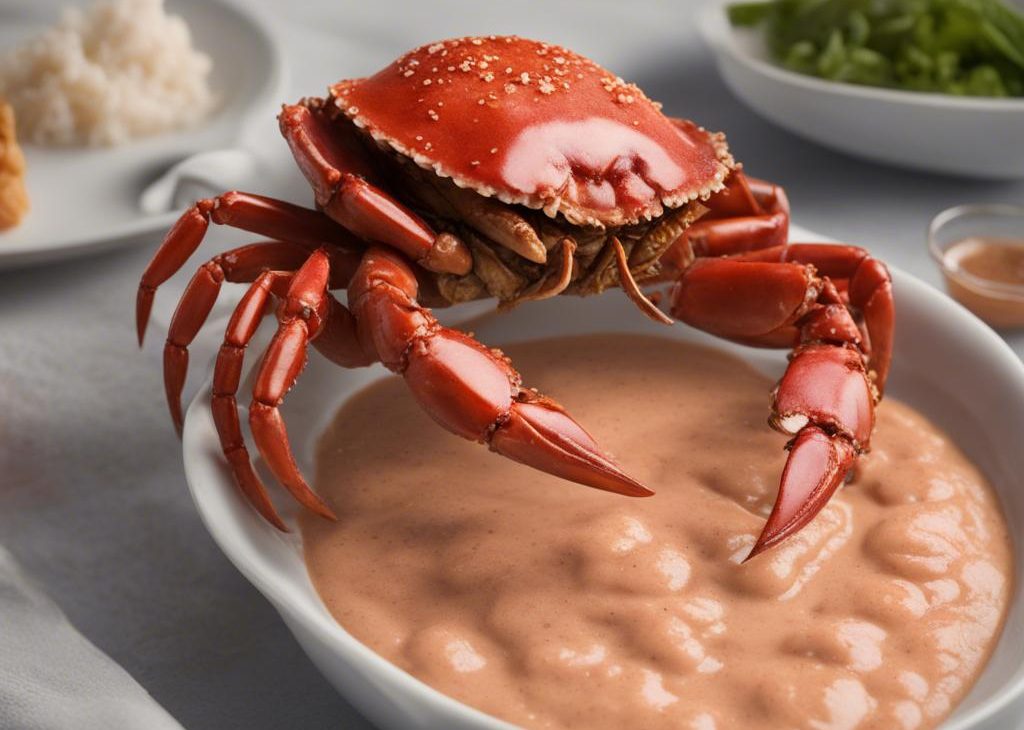
Angry Crab Trifecta Sauce is the buttery seafood sauce I make when crab legs, shrimp, corn, and potatoes need something bold. It is heavy on garlic, paprika, lemon pepper, Old Bay, and lemongrass, with optional cayenne for real heat.
Six sticks of butter sounds like a lot because it is a lot; this is a sauce for a seafood table, not a tiny drizzle. I keep the heat controlled so the spices bloom in the butter instead of scorching and turning bitter.
The lemongrass is my favorite part. It adds a bright citrusy edge that keeps the sauce from tasting only rich and spicy. I bruise the stalks before they go in so the butter picks up more aroma.
I melt butter in a large saucepan over medium heat with lemongrass, chili powder, garlic, lemon pepper, 2.5 tablespoons Old Bay, and paprika.
I stir continuously until combined and fragrant.
I reduce heat to low and add onion, garlic powder, oregano, and optional 1.5 tablespoons cayenne.
I cook 10-15 minutes, stirring occasionally, until onions are soft.
I add seafood or chicken flavoring and cook another 5 minutes.
I remove from heat and cool a few minutes before serving warm.
The clock matters, but I treat it as a guide. If the recipe gives a temperature, I keep it exactly; when I need a general warmth cue, I think in practical kitchen terms like a refrigerator near 40°F or a warm sauce that is hot but not boiling. For this recipe, I keep the listed prep, cook, and rest times in place and use visual cues to decide when to move on.
I also pay attention to how the mixture feels. Thick mixtures should look evenly hydrated, whipped mixtures should hold their shape without looking dry, and baked recipes should be allowed to cool or rest when the instructions call for it. That pause is often what turns a messy result into a clean slice, scoop, or serving.
For serving, I think in portions: about 1/10 of sauce. That keeps the recipe realistic, especially when the serving count is 10 and the dish is rich, sweet, or meant to be shared.
I refrigerate leftovers in a covered jar for up to five days. The butter firms up, so I rewarm it slowly over low heat and whisk before serving.
Yes, I usually can. I follow the storage notes and keep the texture in mind; recipes with whipped cream, crisp toppings, or fresh garnish are best finished close to serving.
I make small swaps only after I have tried the base version. Main ingredients affect moisture, sweetness, salt, and structure, so I change one thing at a time.
Rushing is the mistake I see most. Skipping a chill, rest, gentle fold, or low-heat step can change the final texture even when the ingredients are correct.
I use the listed time plus the cue in the instructions: set edges, soft peaks, melted layers, softened onions, a clean toothpick, or a safe internal temperature depending on the recipe.
Often, yes, but I use the same pan size logic and do not crowd the pan. For baked recipes, two separate pans usually work better than one overfilled pan.
If you make Angry Crab Trifecta Sauce, leave a comment with what worked for you — I always like hearing the little changes that happen in real kitchens.
A bold Angry Crab trifecta sauce with butter, lemongrass, garlic, paprika, Old Bay, lemon pepper, chili powder, and optional cayenne for seafood boils.
Measure first. I set out each ingredient before starting.
Watch texture. The visual cues matter as much as the clock.
Keep the listed timing. Chilling, resting, and cooling are part of the recipe.
Store tightly. Airtight storage protects flavor and texture.


