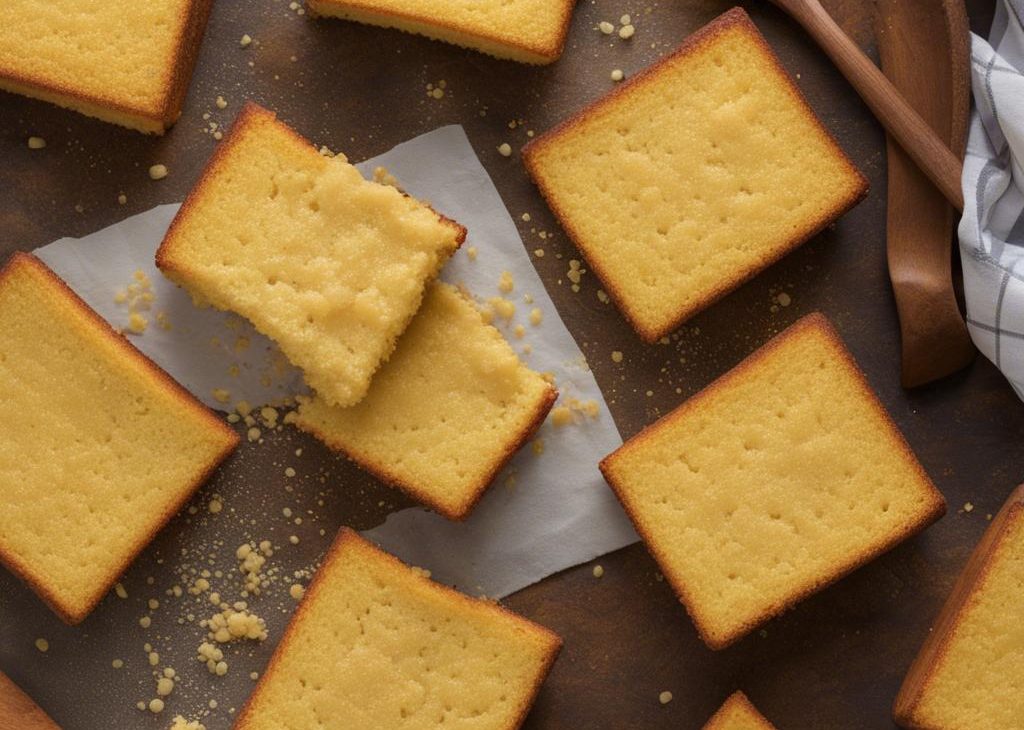
Aunt Jemima cornbread is one of those recipes I keep in my back pocket because it solves a specific craving without asking me to pretend the kitchen is a studio. It is a small 8-inch pan of lightly sweet cornbread that makes soup or chili feel finished. I have made versions of it on ordinary days, and the details below are the ones I pay attention to when I want the result to be reliable.
What I like most is that the recipe has a clear personality. Corn meal gives a gentle grit, a little sugar rounds it out, and the hot oven browns the edges. I do not need extra decoration when the basics are handled well: measured ingredients, enough heat, and a little patience at the right moment.
I keep the original timing and quantities unless something in the source was obviously garbled, and I call out the spots where I watch texture, color, or temperature instead of blindly trusting the clock.
Why I keep coming back to this
- It is practical. It makes four servings instead of a huge pan.
- The flavor is direct. The sweetness can be one or two tablespoons.
- The texture matters. The crumb is tender when I stop mixing early.
- It fits real kitchens. An 8-inch pan and two bowls are all I need.
- Leftovers have a plan. Squares reheat well in a skillet with butter.
What you need (and what each one is doing)
- Yellow corn meal, 1/2 cup. This gives the bread its corn flavor and slight texture.
- All-purpose flour, 1/2 cup. Flour softens the crumb so it slices cleanly.
- Sugar, 1 to 2 tablespoons. I use less for chili and more for honey-butter servings.
- Baking powder and salt. Baking powder lifts the batter and salt balances the sweetness.
- Milk, half egg, and oil. These bring moisture, structure, and tenderness to the small batch.
How I make it
Step 1 — Preheat the oven
I preheat to 425°F (218°C) and grease an 8-inch pan well.
Step 2 — Whisk together
I whisk corn meal, flour, sugar, baking powder, and salt so the leavening is even.
Step 3 — Beat until smooth
I beat milk, half an egg, and oil in a separate bowl.
Step 4 — Combine and bake
I stir wet into dry just until combined, spread in the pan, and bake 25-30 minutes.
Step 5 — Cool completely
I cool the pan for 10 minutes so the crumb settles.
Tips from my kitchen
- Use fresh baking powder. Flat cornbread usually starts with tired leavener.
- Stop stirring early. A few tiny lumps are better than a tough crumb.
- Grease corners. Small pans stick most at the corners.
- Choose sugar by meal. One tablespoon tastes savory, two tastes snacky.
Variations I have actually tried
- Honey butter: Brush hot bread with butter and honey.
- Jalapeno: Fold in minced pickled jalapeno.
- Cheddar: Add 1/4 cup shredded cheddar.
- Scallion: Add sliced green onion.
- Breakfast: Use 2 tablespoons sugar and serve with jam.
Storing and reheating
I wrap cooled squares and keep them at room temperature for a day or refrigerate up to 3 days. I label leftovers when they go into the freezer because future me never remembers what is wrapped in foil.
For best texture, I reheat gently rather than blasting it. Warm at 300°F (149°C) or split and toast in a buttered skillet. That small step keeps the recipe tasting cooked, not merely warmed up.
What I serve with it
I serve it with chili, beans, vegetable soup, eggs, or greens. I try to keep the sides simple so the main flavor of the recipe still has room to show up.
Frequently asked questions
Can I use a whole egg?
Yes, but the small pan tastes more eggy and firmer.
Is it gluten-free?
No. It contains all-purpose flour.
Can I use buttermilk?
Yes. Use the same 1/2 cup for a tangier flavor.
Why is it dry?
It was probably overbaked, overmixed, or measured with too much corn meal.
Can I double it?
Yes, but use a larger pan and watch the center for doneness.
If you make this, leave a comment with the change you tried or the detail that mattered most in your kitchen. I always like hearing which small adjustments are worth repeating.
One final note from testing: I get the best results when I set everything out before starting and clean as I go. With Aunt Jemima cornbread, that means the last few minutes are about tasting and texture instead of scrambling for a tool. It sounds small, but it makes the recipe feel calm, and calm cooking usually tastes better.
Small details I do not skip
When I make Aunt Jemima cornbread, I take a minute to set up the ingredients before heat, batter, or dough is involved. That sounds ordinary, but it keeps me from overcooking one piece while looking for another. With ingredients like Aunt Jemima Enriched Yellow Corn Meal, all-purpose flour, sugar, the recipe tastes cleaner when each part is measured, trimmed, and ready before I begin.
- I read the full method first.
- I use the pan or glass size the recipe expects.
- I watch texture as much as time.
- I taste where it is safe to taste.
- I write down the useful change.
I also give the finished Aunt Jemima cornbread a short pause before serving when the recipe allows it. Bread slices cleaner, sauces settle, muffins firm up, and fried foods stop sputtering. That little rest is not wasted time; it is usually the difference between food that looks rushed and food I am happy to put on the table.
Small details I do not skip
- I read the full method first.
- I use the pan or glass size the recipe expects.
- I watch texture as much as time.
- I taste where it is safe to taste.
- I write down the useful change.