
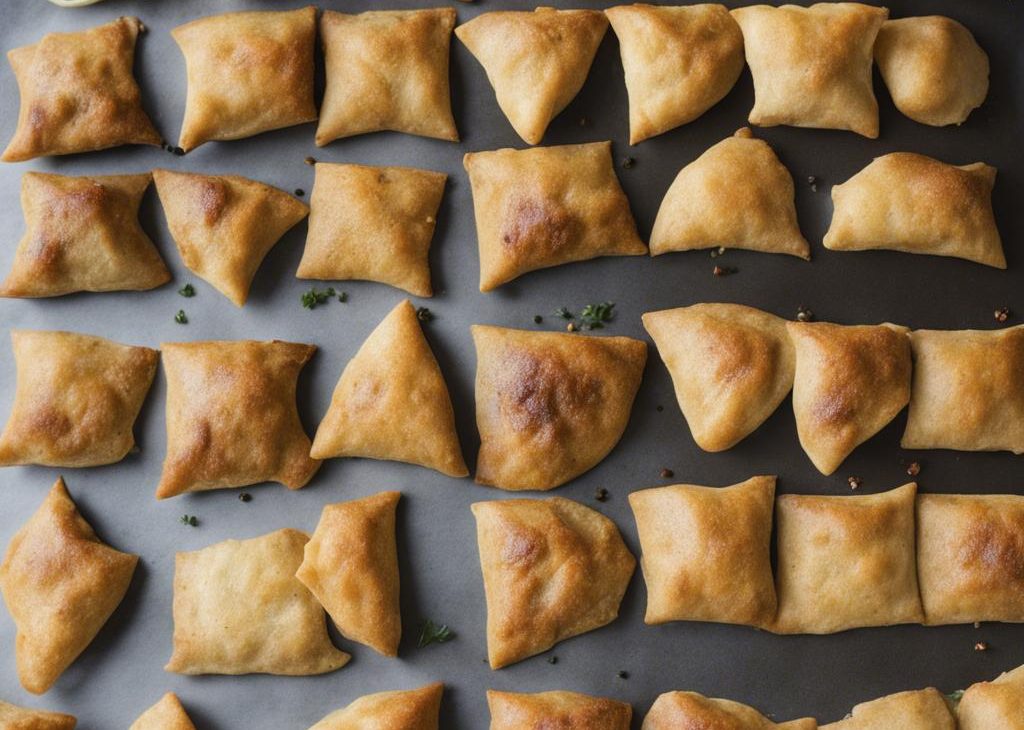
Panades are the kind of snack I like to make when I want something crisp, hot, and hand-held. The dough is masa harina mixed with seasonings, then wrapped around a spoonful of chicken, fish, or beans and fried until the edges blister.
I am careful not to overfill them. The first time I made filled masa pockets, I treated them like tiny pies and paid for it when the seams opened in the oil. One tablespoon of filling is plenty.
The recipe is simple, but the texture depends on the dough. It should feel soft and pliable, not crumbly and not sticky. I adjust with a sprinkle of masa or a few drops of water until it behaves.
In a bowl, combine masa harina, salt, diced bell pepper, diced onion, minced garlic, and Belizean recado. Add the water and mix until the dough comes together. I knead it right in the bowl until it feels smooth and soft.
If the dough cracks when pressed, I add water a teaspoon at a time. If it sticks heavily to my fingers, I dust in a little more masa harina. The dough should flatten without splitting around the edges.
Divide the dough into 10 pieces. Flatten each piece into a circle, add 1 tablespoon cooked filling to the center, then fold the dough around it and press the edge closed. I use a piece of plastic wrap to help fold without tearing.
Heat oil in a pan over medium heat. Fry the panades 1-2 minutes per side, turning gently, until golden brown and crisp. I keep the oil hot enough to sizzle but not so hot that the outside browns before the center warms.
Transfer the panades to paper towels to drain. I serve them warm with hot sauce, curtido-style slaw, or a squeeze of lime.
I treat Belizean Panades as a recipe where the written numbers are a guide, not a reason to stop paying attention. I look for the practical cues: the way the dough feels, how the sauce coats a spoon, how the edges brown, or whether the center has actually set. Those little signs are what keep a familiar recipe from turning into a dry loaf, a pale crust, or a pan of fruit that never thickened.
I also set up my counter before I start. Ingredients measured, pan or skillet ready, towel nearby, and a clear place for cooling. That sounds fussy, but it keeps me from making rushed choices while butter is softening, dough is drying, or a hot pan is waiting. Most of my kitchen mistakes happen in the two minutes when I think I can multitask.
For the first serving of Belizean Panades, I keep things simple so I can taste what the recipe is doing. If it is baked, I let it cool long enough for the crumb, crust, or filling to settle. If it is cooked on the stove, I serve it while the texture is still lively. That first plate tells me whether I want extra salt, something creamy, something crisp, or just a cup of coffee beside it.
When I make it for other people, I add the extras at the table instead of hiding them in the recipe. A bowl of fruit, hot sauce, whipped cream, rice, butter, or chopped herbs lets everyone steer their own plate. I like recipes that can be shared without making the cook stand there explaining every bite.
Panades are best right after frying, when the edges are crisp. If I need to hold them, I keep them on a rack in a 200°F (93°C) oven for a short time instead of stacking them.
Leftovers can be refrigerated for two days. I reheat them in a dry skillet or a 350°F (177°C) oven until hot; the microwave makes the masa soft.
Yes. Use beans, mashed avocado, or seasoned vegetables for the filling, and check that the recado is plant-based.
A small mix of annatto, cumin, oregano, and garlic can stand in. It will not be identical, but it gives color and earthiness.
It is too dry. Add water a teaspoon at a time and knead until the edges smooth out when pressed.
Yes. Brush both sides with oil and bake at 400°F (204°C) for about 15 minutes, turning once if needed.
Masa harina is corn-based and naturally gluten-free, but I still check labels if cooking for someone who needs strict gluten-free food.
If you make these, tell me what filling you tucked inside.
These Belizean panades are small masa pockets filled with chicken, fish, or beans, then fried until crisp. I season the dough with recado, onion, pepper, and garlic so every bite has flavor.
Dough feel. Soft and pliable is the goal; cracked edges mean it needs a little more water.
Filling amount. Use about 1 Tablespoon filling so the pockets close cleanly.
Oil heat. Medium heat keeps the outside from browning too quickly.
Serving. Serve right away for the crispest texture.


