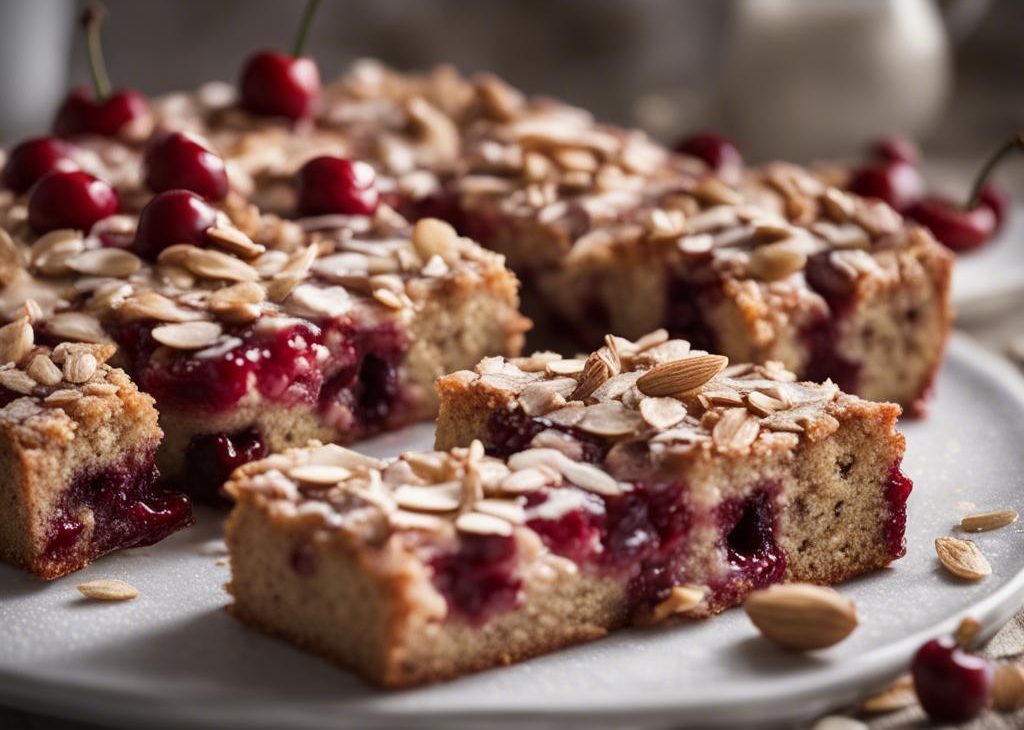
I make Cherry Almond Buckle when I want a soft cherry cake with a buttery crumb top. It is not a fussy recipe, but it rewards paying attention to the small things: the feel of the dough, the thickness of the sauce, or the moment the center stops looking wet. I wrote this version the way I actually cook it, with the little checkpoints I use in my own kitchen.
I keep the quantities, pan sizes, oven temperatures, chilling times, and serving count clear because guessing is where home recipes get frustrating. When an old card or a copied note leaves out a detail, I would rather fix it before I am standing at the counter with sticky hands.
My favorite part of this Cherry Almond Buckle is the contrast between warm cherries, almond extract, and the brown sugar crumble. I do not need a special occasion for it. I need a clear counter, the ingredients measured before I get distracted, and enough patience to let the finished dish rest when the instructions say to rest it.
Why I keep this recipe in rotation
- It uses familiar ingredients, so I am not hunting for one odd item at the last minute.
- The timing is realistic; I can start it, clean as I go, and still serve it without feeling rushed.
- The flavor is balanced instead of flat: sweet recipes get salt, savory recipes get acidity, and sauces get time to come together.
- It gives me clear visual cues, which I trust more than the clock alone.
- Leftovers hold up well when I store them the way I describe below.
- It is flexible enough for small swaps, but the base recipe still has a dependable structure.
What you need and what each ingredient does
- 1 1/3 cups all-purpose flour. 166g.
- 1 teaspoon baking powder. This is one of those quiet ingredients that changes texture more than flavor.
- 1/4 teaspoon salt. I never skip it; even sweet recipes taste dull without a small amount.
- 1/2 cup unsalted butter, softened. 8 Tbsp; 113g.
- 3/4 cup granulated sugar. 150g.
- 2 large eggs, at room temperature. It binds the mixture and gives the finished bake a little structure.
- 1/2 cup sour cream. 120ml. It loosens the mixture just enough and keeps the bite from feeling dry.
- 1 teaspoon pure vanilla extract.
- 3/4 teaspoon almond extract.
- 1 1/2 cups fresh sweet cherries, pitted and halved. 335g. This is the flavor I want up front, so I keep the pieces noticeable rather than hiding them.
- 1/4 cup all-purpose flour, for crumb topping. 31g.
- 1/4 cup packed brown sugar. 50g.
- 1/4 teaspoon ground cinnamon.
- 2 Tablespoons unsalted butter, melted. 28g.
- 1/4 cup sliced almonds. 22g. It has a job in the bowl, and I like knowing why it is there before I start.
How I make it
Step 1 — Prep the pan
Preheat the oven to 350°F (177°C). Grease a 9-inch deep dish pie dish, 9-inch springform pan, or 8-inch square baking pan.
Step 2 — Whisk together
Whisk 1 1/3 cups flour with the baking powder and salt. In a separate bowl, beat the softened butter and granulated sugar on high about 2 minutes, until creamy.
Step 3 — Beat until smooth
Beat in the eggs, sour cream, vanilla, and almond extract. The mixture may look slightly curdled; I keep going and scrape the bowl well.
Step 4 — Fold in the cherries
Mix in the dry ingredients on low just until smooth, then fold in the cherries. Spread the thick batter into the prepared pan.
Step 5 — Stir the flour brown
For the topping, stir the 1/4 cup flour, brown sugar, and cinnamon together, then stir in the melted butter until crumbs form. Scatter the crumbs and sliced almonds over the batter.
Step 6 — Bake and cool
Bake 38-45 minutes, tenting with foil if the top browns too quickly. Cool at least 15 minutes on a wire rack before slicing.
Tips from my kitchen
- Pit carefully. A missed cherry pit ruins an otherwise lovely slice.
- Do not overmix. Once the flour goes in, I stop as soon as the batter is smooth.
- Keep the topping crumbly. If I stir too long, it turns paste-like instead of sandy.
- Use the toothpick test. A clean toothpick in the center matters more than the exact minute.
Variations I have actually tried
- Berry buckle: Use blueberries or raspberries in the same measured amount.
- More almond: Add a few extra sliced almonds over the hot buckle after baking.
- Lemon-cherry: Increase the lemon note with a little zest in the batter.
- Vanilla only: Skip almond extract if you are serving someone who dislikes it.
- Breakfast slice: Serve barely warm with plain Greek yogurt instead of whipped cream.
Storing, reheating, and making ahead
I cover leftover buckle tightly and refrigerate it for up to 5 days, though the cherries taste brightest in the first couple days. Warm slices for 10-15 seconds if you want the crumb to soften.
I pit the cherries and mix the dry ingredients the night before. I do not assemble the batter until baking time because the fruit starts releasing juice.
What I serve with it
I like this with coffee in the afternoon or with a spoonful of lightly sweetened whipped cream after dinner. The almond flavor also works nicely with vanilla ice cream.
Small details I watch
I pay attention to texture more than anything with Cherry Almond Buckle. If the mixture looks too loose, I give it the rest time the recipe calls for instead of immediately changing the ingredients. If it looks too thick, I check whether I packed a dry ingredient too firmly or let something chill longer than planned. Those tiny checks have saved more batches for me than any fancy tool.
I also taste when it is safe and sensible to taste. Sauces need a spoon check, fillings need a sweetness check, and cookie dough or brownie batter needs visual cues when raw eggs are involved. I keep a clean spatula nearby, scrape the bowl well, and use the clock as a guide rather than a command.
For this Cherry Almond Buckle, I set the pan, tray, pot, or storage container out before I start. It sounds minor, but it keeps me from leaving hot food in a skillet too long or scrambling for parchment with sticky hands. I also clear a landing spot for the finished batch so cooling is part of the plan instead of an afterthought.
I write those details down because most recipe problems happen between the official steps. A burner runs hotter than expected, fruit gives off more juice, a cookie sheet is still warm from the last round, or the first slice is cut before the filling has settled. Slowing down at those points is what makes the recipe feel dependable.
When I cook Cherry Almond Buckle again, I check my last batch in my head before I begin. If it was too sweet, I plan a tangier topping or a smaller serving. If it was dry, I watch the bake or simmer more closely. That kind of ordinary kitchen memory is what I want these notes to preserve.
I also label leftovers before I put them away. The date, the best reheating method, and one quick note about texture help me enjoy the second serving instead of treating it like an afterthought.
Frequently asked questions
Can I use frozen cherries?
Yes, but I use them from frozen and blot away surface ice. The batter may streak pink, which does not bother me.
Why did the center sink?
Usually the buckle needed more time or the batter was overmixed. I bake until the center springs back and a toothpick is clean.
Can I use a regular pie plate?
A deep dish pie plate is safer. A shallow plate can overflow once the cherries heat and the cake rises.
Do I have to peel the cherries?
No. I pit and halve them; the skins soften during baking.
Can I skip the almonds?
Yes. The crumble still works. I add a spoonful of oats to the topping when I want a little extra texture.
If you make this Cherry Almond Buckle, leave a comment with the small adjustment that worked in your kitchen. I read those notes because they always give me one more practical idea to test.