
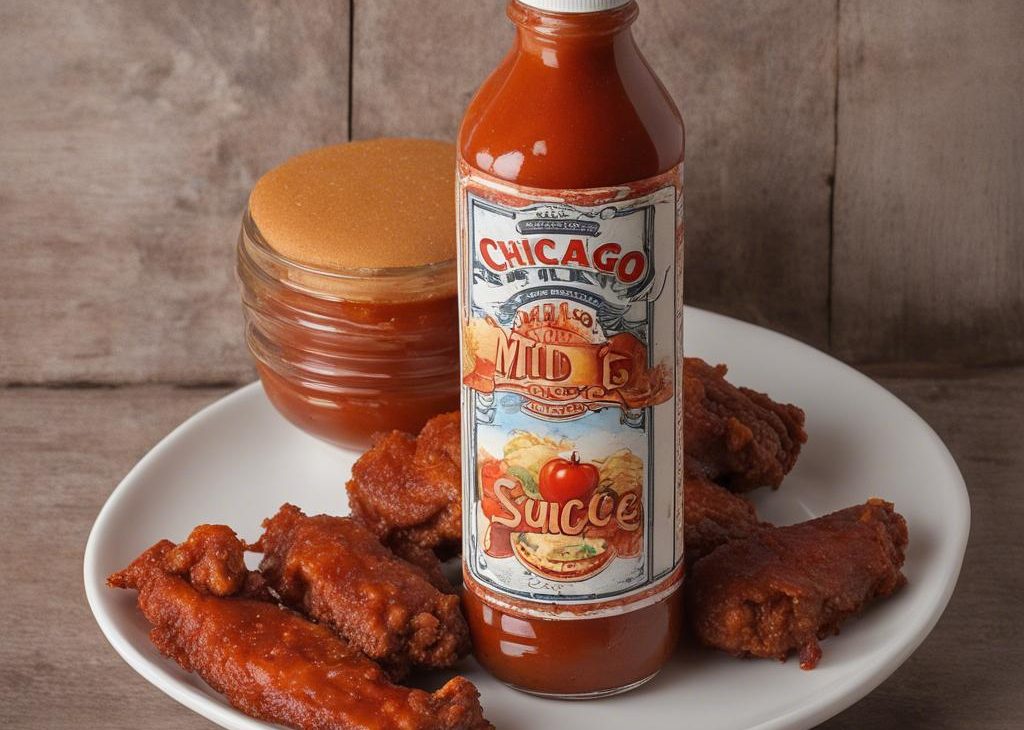
I make Chicago Mild Sauce when I want a tangy, sweet, gently spicy sauce for fries, chicken, and anything fried. It is not a fussy recipe, but it rewards paying attention to the small things: the feel of the dough, the thickness of the sauce, or the moment the center stops looking wet. I wrote this version the way I actually cook it, with the little checkpoints I use in my own kitchen.
I keep the quantities, pan sizes, oven temperatures, chilling times, and serving count clear because guessing is where home recipes get frustrating. When an old card or a copied note leaves out a detail, I would rather fix it before I am standing at the counter with sticky hands.
My favorite part of this mild sauce is the way barbecue sauce, ketchup, vinegar, and paprika settle into one glossy spoonable sauce. I do not need a special occasion for it. I need a clear counter, the ingredients measured before I get distracted, and enough patience to let the finished dish rest when the instructions say to rest it.
Gather every ingredient before turning on the stove. This sauce moves quickly once it starts simmering.
Combine Tabasco, barbecue sauce, ginger powder, ketchup, apple cider vinegar, white pepper, smoked paprika, water, and brown sugar in a small pot.
Stir well with a spoon or whisk until the sugar is mostly dissolved and the sauces look evenly combined.
Set the pot over low heat and simmer about 10 minutes, stirring often, until the sauce thickens slightly.
Remove from the heat and let the sauce cool to room temperature before serving.
I cool the sauce completely, then refrigerate it in a jar for up to 1 week. I stir before serving because thicker spices settle at the bottom.
This sauce is better after a few hours in the refrigerator. I make it early, chill it, then warm it gently or serve it room temperature.
I use it on fries, fried chicken, grilled wings, burgers, and roasted potatoes. It is also good as a quick dip for chicken tenders.
I pay attention to texture more than anything with Chicago Mild Sauce. If the mixture looks too loose, I give it the rest time the recipe calls for instead of immediately changing the ingredients. If it looks too thick, I check whether I packed a dry ingredient too firmly or let something chill longer than planned. Those tiny checks have saved more batches for me than any fancy tool.
I also taste when it is safe and sensible to taste. Sauces need a spoon check, fillings need a sweetness check, and cookie dough or brownie batter needs visual cues when raw eggs are involved. I keep a clean spatula nearby, scrape the bowl well, and use the clock as a guide rather than a command.
For this mild sauce, I set the pan, tray, pot, or storage container out before I start. It sounds minor, but it keeps me from leaving hot food in a skillet too long or scrambling for parchment with sticky hands. I also clear a landing spot for the finished batch so cooling is part of the plan instead of an afterthought.
I write those details down because most recipe problems happen between the official steps. A burner runs hotter than expected, fruit gives off more juice, a cookie sheet is still warm from the last round, or the first slice is cut before the filling has settled. Slowing down at those points is what makes the recipe feel dependable.
When I cook mild sauce again, I check my last batch in my head before I begin. If it was too sweet, I plan a tangier topping or a smaller serving. If it was dry, I watch the bake or simmer more closely. That kind of ordinary kitchen memory is what I want these notes to preserve.
I also label leftovers before I put them away. The date, the best reheating method, and one quick note about texture help me enjoy the second serving instead of treating it like an afterthought.
It has heat from Tabasco and white pepper, but the ketchup, barbecue sauce, water, and brown sugar soften the bite.
Yes, but Tabasco has a vinegar-heavy flavor that fits this style. A thicker hot sauce may make the sauce taste different.
It may need the full 10-minute simmer or a few minutes of cooling. I do not boil it hard because the sugar can burn.
Yes. Use a wider pot so it reduces evenly and stir often.
I like it room temperature or warm. Straight from the fridge is thicker and less glossy.
If you make this mild sauce, leave a comment with the small adjustment that worked in your kitchen. I read those notes because they always give me one more practical idea to test.
I make Chicago Mild Sauce with clear steps and the little kitchen cues that keep the batch on track. Expect practical notes for mixing, cooking, cooling, storing, and serving.
Use low heat. Sugary sauces scorch fast if the burner is too high.
Stir the corners. Ketchup and sugar like to settle at the edge of the pot.
Cool before judging thickness. The sauce thickens more as it stands.
Taste after simmering. Vinegar and heat mellow once cooked.


