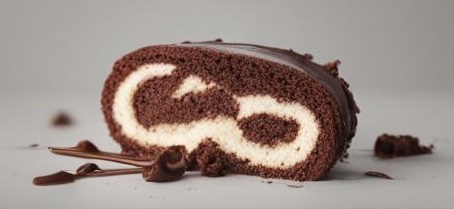
I make Chocolate cake roll when I want a dessert that looks dramatic but is mostly timing. I want food that tastes cared for, but I also want the method to make sense on a regular day.
The detail I learned to respect is letting the sponge cool before the first roll. When I ignore that, the recipe still might be edible, but it loses the texture or balance that makes me want a second helping. I would rather slow down for one minute than fix a problem at the table.
I wrote the method in the way I actually cook: prep first, cook with the pan in front of me, taste before serving, and keep storage realistic. If a garnish or topping is supposed to be crisp, I do not bury it early and hope for the best.
Why I keep coming back to this
- It gives me rolled chocolate sponge without making the process fussy.
- I can taste and adjust as I go instead of hoping it works at the end.
- The ingredient list has a clear job for every item.
- The main thing I watch is letting the sponge cool before the first roll, and that is easy once I know to look for it.
- It works for a normal home kitchen, not just a staged photo.
- Leftovers are useful if I store the tender and crunchy parts the right way.
What you need (and what each one is doing)
- 3/4 cup cake flour.
- 1/4 cup unsweetened natural cocoa powder.
- 1 teaspoon baking powder.
- 1/2 teaspoon salt. I use it to make the other flavors show up clearly.
- 4 large eggs, separated at room temperature. I watch this closely because texture changes fast when it overcooks.
- 3/4 cup granulated sugar.
- 1/4 cup vegetable oil. It carries flavor and helps with browning or richness.
- 1/4 cup whole milk.
- 1 1/2 teaspoons pure vanilla extract.
- 1 teaspoon espresso powder.
- 1 cup heavy cream.
- 3 Tablespoons granulated sugar.
- 1 teaspoon pure vanilla extract.
- 2 Tablespoons marshmallow creme.
- 1/2 cup heavy cream.
- 1 4-ounce semisweet chocolate bar, chopped. It gives the recipe its main sweet aroma and character.
- 1 teaspoon light corn syrup.
How I make it
Step 1 — Preheat the oven
Preheat oven to 350°F (177°C). Grease a 12x17-inch baking pan with nonstick spray or butter, then line it with parchment paper so the cake seamlessly releases in step 7. Spray or grease the parchment paper, too. I want an extremely nonstick surface for this cake roll. Using a fine mesh sieve, sift the cake flour, cocoa powder, baking powder, and salt together. Set aside. Using a hand mixer or a stand mixer fitted with whisk attachment, beat the egg whites and 1/4 cup (50g) granulated sugar together on.
Step 2 — Whisk the dry ingredients
Using the same mixing bowl you just had the egg whites in (no need to clean it), add the egg yolks and remaining sugar. Mix on high speed for 1 minute, and then add the oil, milk, vanilla, and espresso powder. Beat together on high speed for 2 minutes. Mixture will be thin and a little bubbly on top. Add half of the whipped egg whites into the egg yolk mixture. Mix on low speed for 10 seconds. Repeat with remaining egg whites and mix on low for 10 seconds. Sift in the flour mixture, and then fold the batter.
Step 3 — Loosen and release
As the cake bakes, place a piece of parchment paper (larger than the cake) or a thin kitchen/tea towel flat on the counter. (Note: I find a kitchen/tea towel is better to help prevent cracking.) Using a fine mesh sieve, dust parchment/towel with about 2 Tablespoons of cocoa powder. Once the cake comes out of the oven, quickly run a knife around the edges to loosen it from the pan. Immediately invert it onto the parchment/towel. Peel off the parchment paper that was on the bottom of the cake as it baked. Starting.
Step 4 — Chill
Place chopped chocolate and corn syrup, if using, in a medium bowl. Heat the cream in a small saucepan until it begins to gently simmer. (Do not let it come to a rapid boil—that's too hot.) Pour over chocolate, then let sit for 2-3 minutes to gently soften the chocolate. Slowly stir until completely combined and chocolate is completely melted. Ganache is smooth and glossy. Pour ganache all over cake roll. Feel free to spoon up any dripped ganache and spoon over the cake again. Refrigerate for at least 30-60.
Texture and timing checkpoints
- Before I start: I read the ingredient list once and check anything that needs chopping, chilling, soaking, or melting.
- During cooking: I keep my attention on letting the sponge cool before the first roll because that is the part most likely to change quickly.
- Before serving: I taste for salt, acid, heat, or sweetness and adjust in small amounts.
- At the table: I serve the fresh toppings last so the first bite still has contrast.
- For leftovers: I cool food before covering it so steam does not make everything watery.
Tips from my kitchen
- Measure before heat. I line up the small ingredients first because the cooking moves faster than it looks.
- Trust the texture. I pay attention to letting the sponge cool before the first roll; the clock helps, but the pan tells the truth.
- Taste at the end. Salt, acid, and sweetness settle differently once the dish is hot or chilled.
- Keep portions practical. I would rather serve it fresh than make a huge batch that loses its best texture.
Variations I have actually tried
- Add: I add peppermint to the cream.
- Make: I make a mocha ganache.
- Serve: I serve with raspberries.
- Use: I use marshmallow creme for stability.
- Add: I add drained cherries before rolling.
Storing and making ahead
I store Chocolate cake roll based on its texture. Saucy parts go in airtight containers, crisp pieces stay separate, and anything creamy goes straight into the refrigerator after it cools. I reheat gently when dairy, chocolate, or tender protein is involved.
For make-ahead cooking, I do the chopping, measuring, soaking, or sauce mixing first. I save the final browning, frying, dressing, rolling, or slicing for close to serving because that is where rolled chocolate sponge tastes most alive.
What I serve with it
I usually serve Chocolate cake roll with coffee, milk, berries, or a small scoop of vanilla ice cream. If the recipe is rich, I add something bright or crisp. If it is spicy, I add something cooling. If it is sweet, I keep the plate simple so the main flavor is not crowded.
Frequently asked questions
Can I make this ahead?
Yes, I prep the sturdy parts ahead and finish the texture closer to serving. With Chocolate cake roll, I do not like sacrificing the part that should be crisp, creamy, or freshly sauced.
What is the most common mistake?
For me, it is letting the sponge cool before the first roll. Once I started watching that detail, the recipe became much more reliable.
Can I adjust the heat or sweetness?
Yes. I make small changes, taste, and then adjust again. Big changes can throw off the sauce, crumb, or coating.
How should I store leftovers?
I cool leftovers first, then refrigerate them in a covered container. If there is a crunchy topping or fresh garnish, I store that separately.
What should I serve with it?
I usually serve it with coffee, milk, berries, or a small scoop of vanilla ice cream. I like a side that balances the richest part of the recipe.
If you make Chocolate cake roll, tell me what you changed and what you kept exactly as written. I always like hearing which small detail mattered most in another kitchen.