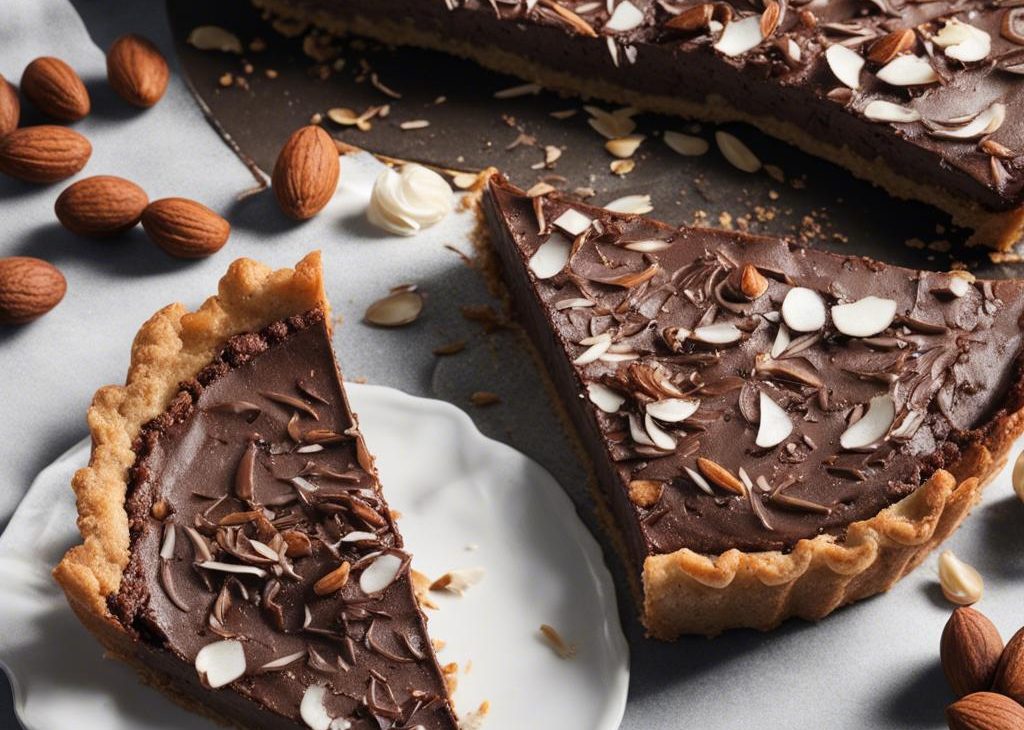
I make Chocolate Coconut Almond Tart when I want a chocolate dessert that feels generous but still follows a dependable method. The recipe has a few small moments where patience matters — cooling caramel, pressing bars tightly, chilling dough, or letting chocolate set — and those moments are where I pay attention.
I want the instructions to sound like a cook standing beside you, not a label on a box. If the batter is thick, I say so. If the center should look a little soft, I say so. Those small cues have saved more of my bakes than any timer ever has.
The original measurements, pan sizes, temperatures, and servings are preserved here. My goal is not to reinvent Chocolate Coconut Almond Tart, but to make it easier to repeat with confidence, especially on a busy afternoon when chocolate is already on the cutting board and the sink is filling up.
Why I keep coming back to this
- The texture has contrast. I like desserts that give me more than one bite: crisp edges with soft centers, creamy ganache with tender cake, or salty pretzel under smooth chocolate.
- The method is honest. None of the steps are difficult, but a few reward patience. I would rather name that up front than pretend every step is instant.
- The ingredients are familiar. Butter, flour, chocolate, fruit, oats, nuts, and coconut all show up in practical ways, so I am not buying a pantry of one-use items.
- It can be shared cleanly. The servings are clear, and most of these pieces wrap, slice, or plate without collapsing once they are cooled properly.
- The flavor improves as it rests. Chocolate settles, fruit softens, and salt becomes more noticeable after a little time.
- It is forgiving if I watch the cues. I can handle small oven differences because the recipe tells me what to look for.
What you need and what each ingredient is doing
- whole almonds, 1 cup. 140g.
- almond flour, 1 cup. 90g.
- pure maple syrup, 2 Tablespoons.
- melted coconut oil, 3 Tablespoons. 42g.
- bittersweet chocolate bars, coarsely chopped, 3 four-ounce. 12 ounces/340g total.
- pure maple syrup for filling, 1 Tablespoon.
- full-fat coconut milk, 1 13.5-ounce can. shake up the can before using.
- handful unsweetened coconut, almonds, pinch sea salt,.
How I make it
Step 1 — Preheat the oven
Preheat to 300°F (149°C) and process almonds with almond flour, maple syrup, and melted coconut oil until crumbly.
Step 2 — Bake
Press the crust firmly into a 9-inch tart pan on a baking sheet and bake 10-12 minutes until lightly golden.
Step 3 — Bring to a boil
Put chopped chocolate and maple syrup in a bowl, bring coconut milk to a boil, pour it over the chocolate, and stir smooth.
Step 4 — Chill
Pour filling into the crust, add coconut, almonds, and sea salt, then refrigerate 3-4 hours or overnight before slicing.
Tips from my kitchen
- Measure flour gently. I spoon it into the cup and level it off; scooping straight from the bag can make these bakes dry.
- Respect cooling time. Warm desserts smear, crumble, or melt toppings. I wait even when the kitchen smells unfairly good.
- Use the chocolate called for. Chopped bars melt differently than chips, and mini chips distribute differently than standard chips.
- Line pans when lifting matters. Parchment overhang is the easiest insurance for bars, bark, and brownies.
- Taste for salt. Sweet chocolate needs a little salt to taste rounded instead of flat.
Variations I have actually tried
- Darker chocolate: I use bittersweet chocolate when I want the dessert less sweet and a little more grown-up.
- Extra crunch: Toasted coconut, chopped nuts, or flaky salt on top add contrast without changing the base recipe.
- Fruit twist: Dried cherries, raspberries, strawberries, or banana can lean brighter with a small pinch of extra salt.
- Smaller servings: I cut bars, bark, and cakes smaller for a dessert tray; the bake time stays the same because the pan is unchanged.
- Simple finish: When I am short on time, I skip decorative piping and use a spooned drizzle or a clean dusting of toppings.
Storing, serving, and make-ahead notes
I cool everything completely before covering. For frosted cakes, filled cupcakes, fruit-heavy muffins, and chilled tarts, I use the refrigerator. For sturdy cookies, bark, pretzels, and bars, I use an airtight container at room temperature unless the kitchen is warm. Parchment between layers keeps chocolate from scuffing and sticky edges from grabbing.
For serving, I like most chocolate desserts closer to room temperature, but I slice chilled items while they are firm. That gives cleaner edges. Then I let the pieces sit for a short time so frosting softens, ganache loses its chill, and the crumb tastes less muted.
Frequently asked questions
Can I make this ahead?
Yes, with a little judgment.
What is the most common mistake?
Yes, with a little judgment.
Can I change the chocolate?
Yes, with a little judgment.
How do I know it is done?
Yes, with a little judgment.
How should I store leftovers?
Yes, with a little judgment.
A final note from my counter
If you make Chocolate Coconut Almond Tart, I would like to hear what detail helped most: the mixing cue, the cooling note, or the storage tip. Those are the little things I always want to know from another cook.