
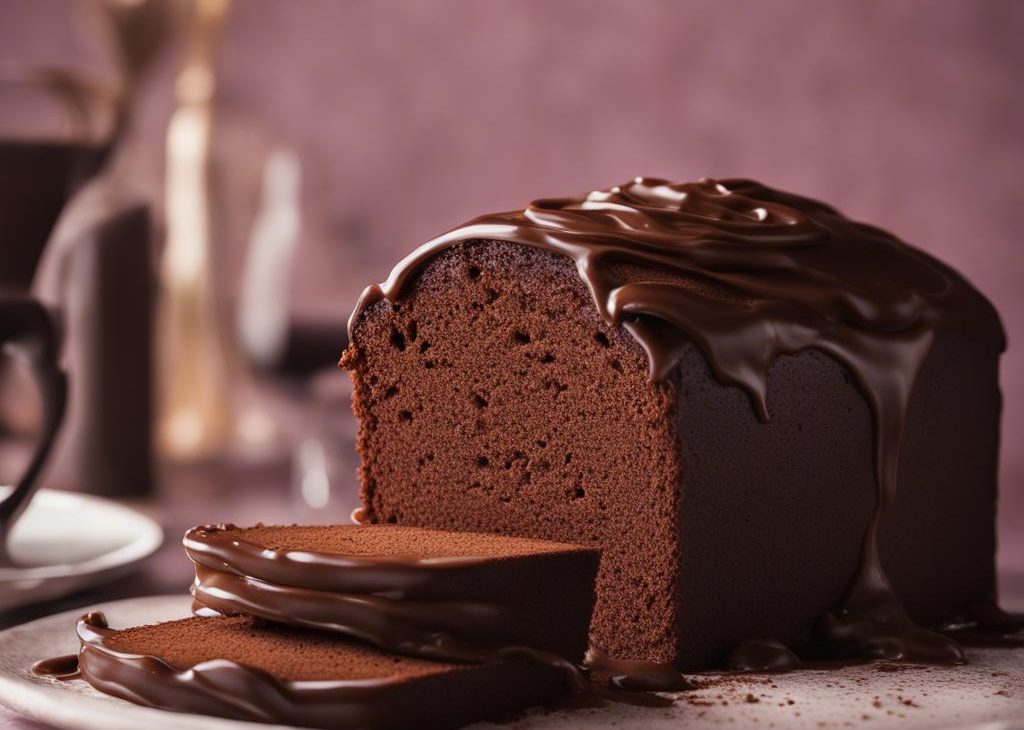
Chocolate Madeira Cake is the kind of recipe I make when I want chocolate to be the main point, not a quiet background note. I make it the way I would talk someone through it across my own counter: what I measure carefully, what I do not rush, and where the texture can go wrong if I get distracted.
I measure the amounts carefully because the balance matters here. When an ingredient seems minor, I still give it its place; chocolate recipes have a way of showing every shortcut.
What I like about Chocolate Madeira Cake is that it gives a clear payoff for the work. Some steps are quick, some need patience, but none of them are there just to make the recipe look longer.
Preheat oven to 350°F (175°C). Grease and line a 9-inch (23 cm) round cake tin.
In a bowl, mix together the self-raising flour, caster sugar, soft margarine, eggs, and cocoa powder until all ingredients are well combined.
Melt the dark chocolate in a heatproof bowl over simmering water. Once melted add to the wet ingredients and mix together until fully incorporated.
Gently fold in the milk until a smooth batter is formed.
Pour the batter into the prepared cake tin and bake for 30-35 minutes or until an inserted skewer comes out clean.
Once baked, remove from oven and cool on a wire rack before removing from the tin and decorating as desired.
I cool everything completely before storing. Trapped warmth creates condensation, and condensation is how crisp edges soften, chocolate blooms, and bars get sticky.
For make-ahead planning, I separate the components when possible: cake layers wrapped on their own, fillings chilled in a bowl, or candies stored between sheets of parchment. It makes serving day calmer.
I serve Chocolate Madeira Cake in the portion size listed in the recipe card, then let the texture decide the temperature. Creamy desserts taste best cold, cakes taste better after a short sit at room temperature, and crisp snacks need an airtight container until the last minute.
If I am serving this with other desserts, I keep the plate simple. Chocolate already brings plenty of flavor, so coffee, milk, berries, whipped cream, or a salty crunch is usually enough.
Yes, and I often do. I follow the cooling or chilling cues in the recipe, then store it covered so the texture stays close to freshly made.
Usually yes, as long as I use the same amount and a chocolate I like eating. Very sweet chocolate makes the final recipe sweeter, while bittersweet chocolate makes it more intense.
Rushing the rest time is the mistake I see most. Chocolate and baked goods need time to set, cool, or firm up before they cut, dip, or stack neatly.
I look for the cue in the instructions: set edges, a clean skewer, a thickened filling, a dry macaron shell, or chocolate that has fully set. The timer gets me close, but the cue decides.
Many chocolate cakes, bars, and candies freeze well when wrapped tightly. Creamy mousse and some fresh garnishes do not thaw as nicely, so I freeze only the sturdy parts.
If you make Chocolate Madeira Cake, I would genuinely like to know which variation you tried and what texture cue helped you most.
Chocolate Madeira Cake is built around melted dark chocolate, caster sugar, cocoa powder, self-raising flour. I walk through the texture cues, storage, variations, and troubleshooting I rely on so the recipe comes out consistently in a home kitchen.
My main note. I measure carefully and use texture cues before changing timing.
Cooling matters. I do not cut, dip, stack, or cover until the recipe has had time to set.
Chocolate quality shows. I use chocolate and cocoa I already like because there are not many places for dull flavor to hide.
Storage is part of the recipe. I cover tightly and separate layers with parchment when pieces might stick.


