
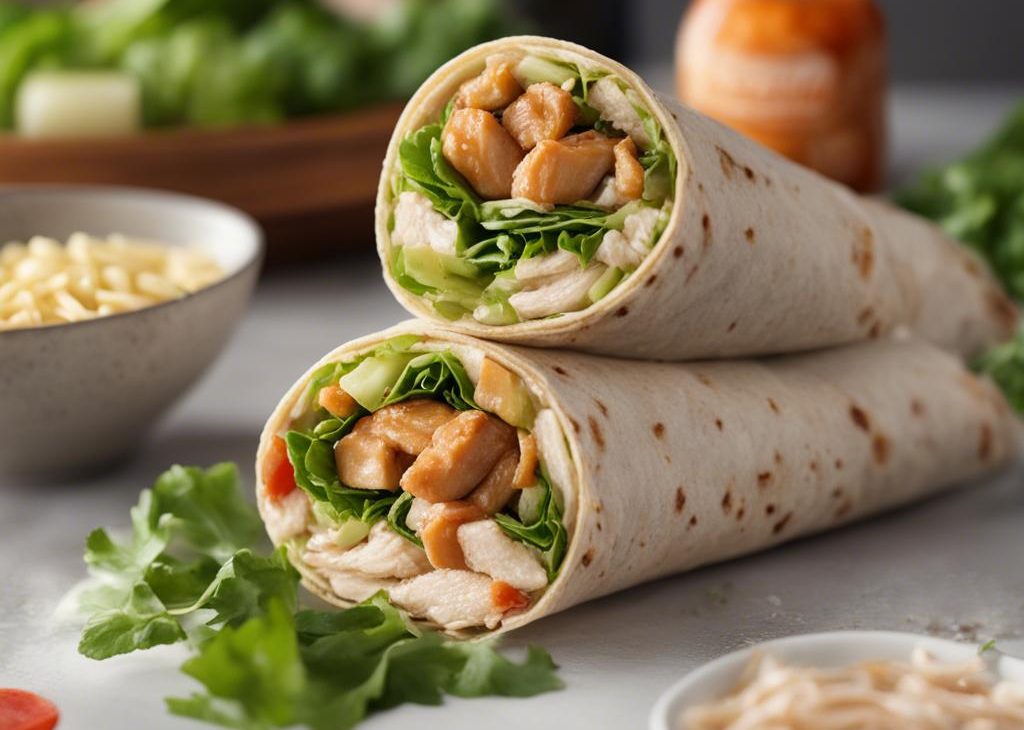
This Costco Asian Chicken Wrap is what I make when I want the crunch of a deli wrap without buying one that has been sitting in a cold case all morning. The filling is cabbage, carrots, grilled chicken, and sesame-soy dressing.
The dressing is where I pay attention. Too much mayonnaise makes the wrap heavy, and too much vinegar makes the tortilla soggy. Tiny amounts of green onion and cilantro still matter.
I usually make this when I already have cooked chicken in the fridge. If I grill chicken the same day, I let it cool before slicing so it does not steam the vegetables.
I also like knowing where a recipe can go sideways before I start. With this one, I slow down at the spots that affect texture: heat level, mixing, moisture, or chilling. That sounds fussy, but it is really just the difference between a result I want to repeat and one I only tolerate because the ingredients were already used.
I prep the dressing before the tortilla comes out. A wrap can get soggy while I hesitate, so I dry the vegetables, cool the chicken, and keep the sauce controlled.
I whisk mayonnaise, rice vinegar, honey, low sodium soy sauce, sesame oil, green onions, and cilantro in a small bowl, then taste before adding salt.
I toss cabbage and carrots together and dry them well if they were rinsed. Extra water is the enemy of a wrap that needs to hold.
I warm the tortilla just until flexible, spread dressing down the center, and leave the edges mostly clean so they can seal.
I pile on the cabbage-carrot mix, arrange the sliced grilled chicken over the top, and drizzle a little more dressing over the chicken.
I fold in the sides, roll firmly from the bottom, rest seam-side down for a minute, and cut with a serrated knife.
At the end, I look for a tight seam and filling that stays put when I cut the wrap. If it bulges, I serve extra slaw on the side.
I keep variations small the first time I test them. One swap tells me something useful; five swaps at once just leave me guessing. After I know the base recipe, I am much more relaxed about changing the heat, nuts, herbs, fruit, or serving style.
The best storage move is to keep components separate. I refrigerate chicken, vegetables, and dressing in separate containers for up to 3 days, then roll the tortilla when I am ready.
Once rolled, the wrap is best within a few hours. If I pack it in the morning, I spread dressing on the chicken instead of the tortilla, roll tightly, and keep it cold.
I eat this with fruit, edamame, a small bowl of soup, or kettle chips. If I have extra cabbage-carrot mixture, I toss it with remaining dressing and serve it as quick slaw.
Yes. I remove the skin, slice or shred the meat, and taste before adding salt because rotisserie chicken can be well seasoned.
Dry the vegetables, cool the chicken, and keep most of the dressing toward the filling instead of the tortilla edge.
Use a gluten-free tortilla and tamari instead of soy sauce. I also check the mayonnaise and any bottled sauces.
If I cook the chicken myself, I take it to 165°F (74°C) in the thickest part, then rest it before slicing.
Yes. I scale the filling and dressing evenly, but I still assemble the wraps one at a time so they stay tight.
When I make it again, I jot down whether I used rotisserie chicken or grilled chicken and how much dressing I added. That helps my next wrap stay crisp.
If you make this Costco Asian Chicken Wrap, tell me whether you kept it mild or added heat.
A crunchy Costco Asian chicken wrap with cabbage, carrots, grilled chicken, and a light sesame-soy dressing. I roll it right before eating so the tortilla stays neat and the vegetables keep their snap.
Cool the chicken. Hot chicken steams the vegetables and softens the tortilla.
Dry the cabbage. Extra water makes the dressing runny.
Warm the tortilla. A flexible tortilla rolls without cracking.
Pack components separately. The wrap tastes fresher when assembled close to serving.


