
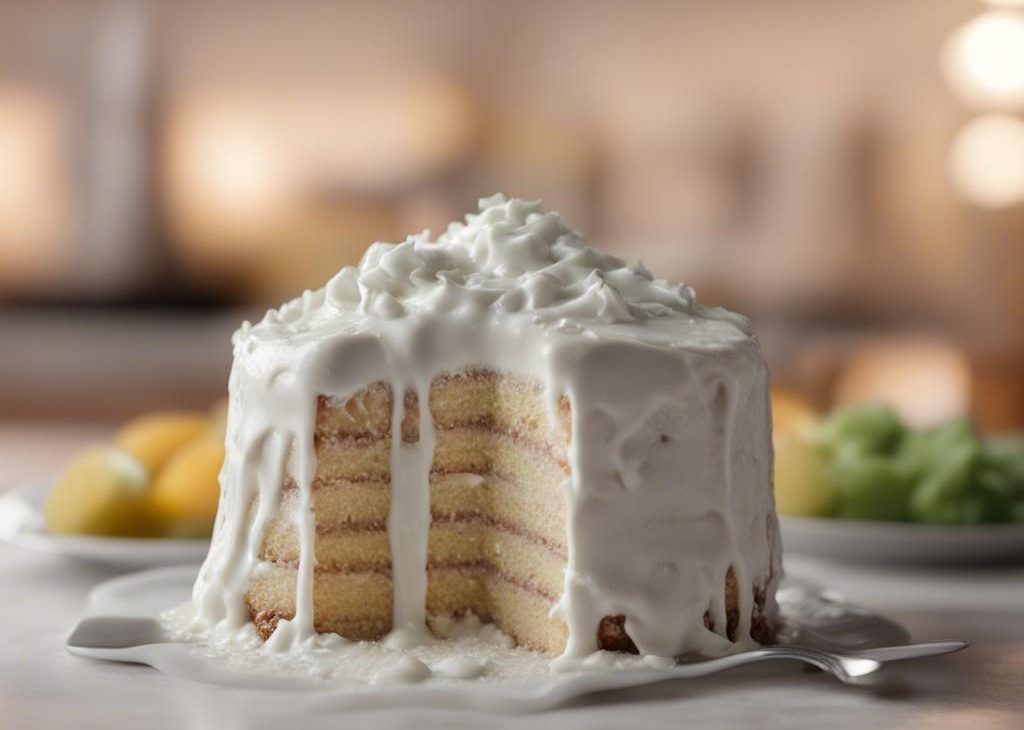
I use this big-batch frosting when I need icing that pipes cleanly and dries enough to survive a cookie tray. I have made enough rushed versions of Frankenfrosting to know where it can go sideways, so I write the method the way I actually move through it at the counter.
What I like about this recipe is that it gives me clear cues. I can smell when the spices wake up, see when the edges set, and feel when the mixture changes from loose to ready. That matters more to me than a recipe that only says to cook until done.
I keep the measurements steady and focus on the cues that help me repeat it. This is how I make Frankenfrosting: practical, specific, and honest about the little details that make the difference.
Take a large mixing bowl and add 2 kg of powdered sugar along with 1/4 cup of meringue powder. Use a whisk to combine the two ingredients until they are well blended.
I add 2 cups of water, 1 tablespoon of vanilla extract, and 4 tablespoons of clear corn syrup to the mixture. Gently mix all the ingredients together using a spatula until they are fully incorporated.
Once the wet and dry ingredients are well combined, it's time to whip up the frosting! Using an electric mixer on medium speed, beat the frosting for 5-7 minutes until it becomes light and fluffy.
Take a moment to check the consistency of the frosting. If it seems too thick, add a little bit of water to thin it out. On the other hand, if it's too thin, simply mix in more powdered sugar until you reach your desired texture.
I store leftovers tightly covered in the refrigerator and stir before using again. If the texture thickens, I loosen it with a tiny splash of liquid instead of adding a lot at once.
If I am making it for later, I label the container with the date. That sounds fussy until the refrigerator gets crowded, and then I am grateful I did it.
I use it where the texture makes sense and keep a small offset spatula or spoon nearby. A neat finish is easier when I am not fighting the consistency.
Yes. I prep the parts that hold well and wait on anything crisp, icy, or freshly garnished. That way Frankenfrosting still tastes made on purpose instead of tired.
The mistake I watch for is rushing the texture. Warm cookies need cooling time, sauces need stirring time, and skillet dishes need enough heat to cook off extra moisture.
Yes. I start with the written amount the first time, then adjust in small steps. Sweetness and heat both grow stronger after a short rest.
I use the listed time as a guide, then check the cue that matters: set edges, tender pasta, cooked chicken, a thickened sauce, or a chilled filling that slices cleanly.
Usually, yes. I double the ingredients evenly and use a larger bowl, pan, or skillet so the mixture is not crowded. For baked recipes, I prefer two pans over one very deep pan.
If you make Frankenfrosting, leave a comment with what you changed or what worked in your kitchen. I read those notes like little recipe field reports.
When a recipe is as quick as Frankenfrosting, the tiny choices matter more than the clock. I look at the temperature of the liquids, the way the mixture coats a spoon, and whether the flavor tastes sharp or rounded after a minute of sitting.
I also avoid fixing everything at once. If it needs more sweetness, I add a little and taste again. If it needs more body, I thicken it slowly. That habit saves me from turning a simple recipe into something muddy.
My last check is the serving setup. A cold glass, a clean jar, or a covered bowl sounds basic, but it keeps the texture I worked for from disappearing before anyone gets to enjoy it.
Frankenfrosting is my practical version with clear steps, storage notes, variations, and troubleshooting tips. I focus on the texture cues, timing, and small kitchen details that make this frosting easier to repeat.
Start with less sweetness. I can add more, but I cannot take it back once it is blended in.
Chill when the recipe allows it. Cold time rounds off sharp edges and makes the texture smoother.
Scrape the bowl. Thick mixtures hide pockets along the sides, and those pockets show up later.
Taste at the end. A pinch of salt, a splash of liquid, or a minute more mixing can make it taste balanced.


