
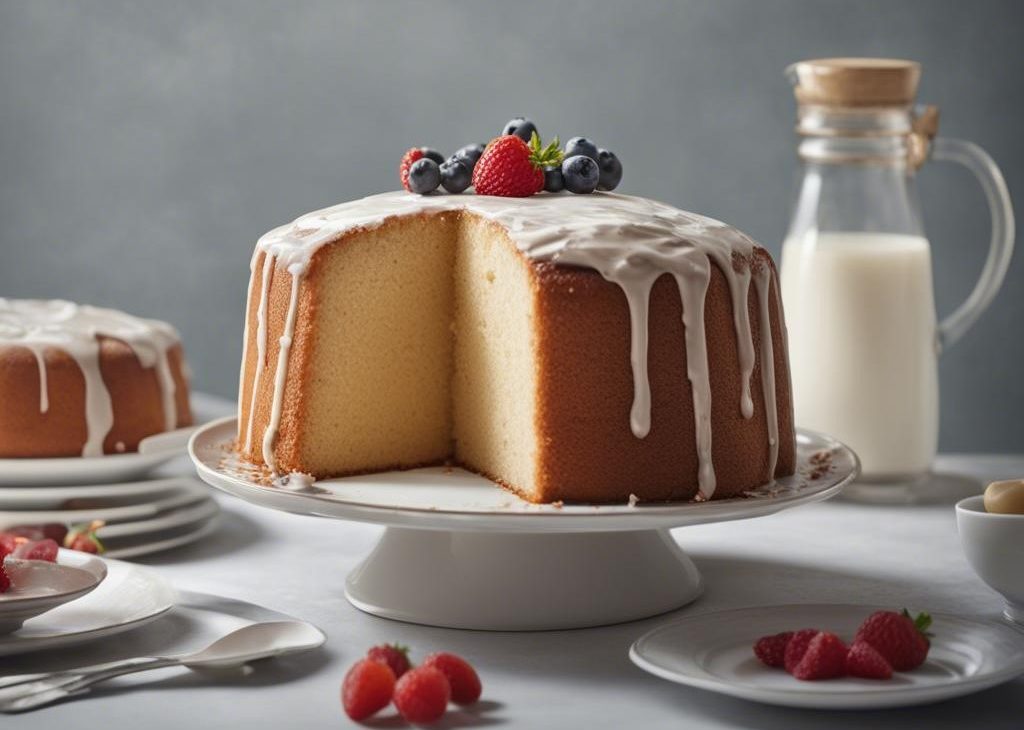
I make Mary Berry Yoghurt Cake when I want something dependable from real kitchen measurements, not a vague handful of this and that. I set the ingredients out first, get the pan ready, and work through the method in the same order I would on a busy afternoon.
This is the kind of bake recipe where small details matter. I pay attention to texture, cooling time, and how the mixture looks before it goes into the pan or onto the plate. That habit has saved me from more than one rushed batch.
The flavor leans on large eggs, at room temperature, self-raising flour, Greek yoghurt, caster sugar. I like that the recipe is flexible enough for a home kitchen, but still gives clear numbers to follow.
Preheat the oven to 350°F (176°C). Grease and line an 8-inch (20cm) round cake tin. In a large bowl, cream together the butter and sugar until light and fluffy. Add in the eggs one at a time, beating well each time before adding in the next one.
Sift in the flour and fold it into the mixture until just combined. Add in the yoghurt and lemon rind, stirring to combine. Pour the batter into the prepared cake tin and spread it out evenly with a spatula or spoon. Bake for 40-45 minutes or until golden brown on top and a skewer inserted into the centre comes out clean.
Leave to cool in the tin for 10 minutes before transferring to a wire rack to cool completely. To make the icing, mix together the lemon juice and icing sugar until smooth and pour it over the cooled cake. Serve immediately.
I cool the batch completely before covering. Most cakes, pies, and breads keep well for a couple of days at room temperature or a little longer in the refrigerator. I bring slices back toward room temperature before serving because the flavor is better that way.
I usually serve this with coffee or tea and keep the garnish simple. If the batch is rich, berries or plain whipped cream are enough; if it is plainer, a little drizzle or dusting makes it feel finished.
Unfortunately not, this recipe contains butter, eggs, and Greek yoghurt. However, you can substitute these ingredients with vegan alternatives to make a delicious vegan version of the cake.
Yes, you can substitute the full-fat Greek yoghurt with a light or low-fat variety. The cake may not be as rich and creamy but it will still taste delicious.
Yes. I usually make it ahead when the recipe has a cooling or chilling step, because the flavor settles and slicing is neater. For crisp items, I wait to cover them until they are completely cool.
Rushing the texture is the mistake I see most. I let butter soften, pans preheat, candy reach temperature, or fillings cool as directed instead of trying to force the next step.
A small change is fine. I reduce sugar or syrup by a tablespoon or two first, then taste the next batch before making a bigger change because sweetness also affects browning and set.
If you make Mary Berry Yoghurt Cake, leave a note with the tweak that worked in your kitchen — I always like hearing the practical details.
Mary Berry Yoghurt Cake rewritten in a first-person kitchen voice with the measurements kept clear. I walk through the recipe with practical notes on large eggs, at room temperature, self-raising flour, Greek yoghurt, caster sugar, timing, storage, and the small cues I watch while cooking.
Measure first. I set ingredients out before starting so the method moves smoothly.
Watch texture. I use the timer as a guide, but I trust the visual cues in the food.
Cool fully. Cutting, covering, or storing too early can soften crisp edges and unset centers.
Keep notes. Pan size and oven behavior are worth writing down for the next batch.


