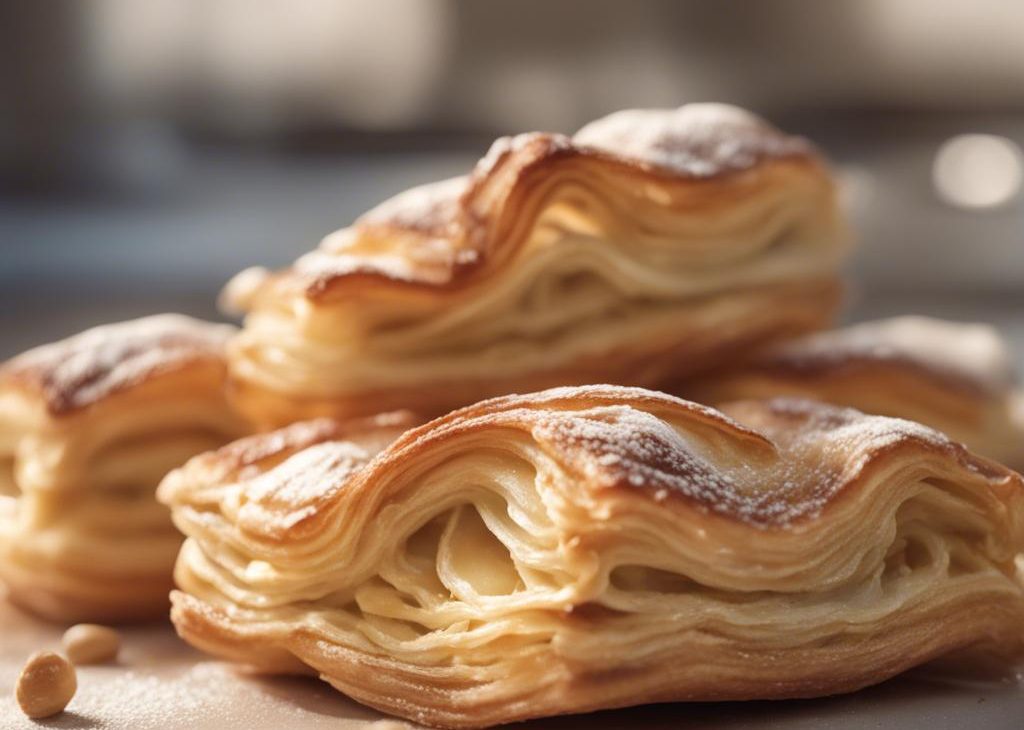
I keep Organic Puff Pastry in my back pocket for days when I want unsalted cold butter, cold water, all-purpose flour, and egg to do most of the work. The recipe is straightforward, but I have learned that the small details matter: measured ingredients, patient mixing, and a final taste before serving.
This is the version I would hand to a friend standing in my kitchen. I explain what each ingredient is doing, where I slow down, and where I do not fuss. That balance is what makes the dish feel dependable instead of fussy.
I also like that the timing is honest. Prep is listed at 15 min, cook time at 120 min, and the serving count stays at 1. I keep those numbers in mind before I pull out a bowl or pan.
Why I keep coming back to this
- It uses familiar ingredients: unsalted cold butter, cold water, all-purpose flour, and egg.
- The method leaves room for real kitchen judgment without being vague.
- Most of the work happens in one bowl, one pan, or one pot.
- The flavor is easy to adjust at the end if it needs more salt, acid, or sweetness.
- Leftovers are useful, which matters more to me than a flashy serving moment.
- It feels homemade without asking for restaurant equipment.
What you need and why it matters
- 14 tablespoons unsalted cold butter. cut into cubes brings richness and keeps the texture from feeling flat.
- 1/2 cup cold water. has a clear job in the recipe, and I keep the amount steady.
- 1 teaspoon salt. makes the other flavors taste clearer; I do not skip it.
- 2 1/2 cups all-purpose flour. gives structure, so I measure it lightly rather than packing it down.
- 1 egg. for brushing, if baking right away binds everything and helps the finished texture hold together.
How I make it
Step 1 — Combine the ingredients
I mix the flour and salt in a large bowl, then toss in the cubed cold butter until the pieces are coated and still visible.
Step 2 — Combine the base
I drizzle in the cold water a little at a time and press the dough together with a fork until it holds in a rough mass.
Step 3 — Fold together
I pat the dough into a rectangle, roll it out, then fold it in thirds like a letter; turn it and repeat the roll-and-fold several times while the butter stays cold.
Step 4 — Chill
I wrap the folded dough tightly and refrigerate it for 1 hour and up to 24 hours before using.
Step 5 — Bake and check the center
If baking the pastry right away, brush with beaten egg and bake according to the filling or pastry shape I am making.
Tips from my kitchen
- Measure flour with a spoon and level it off; scooping from the bag can make the result heavy.
- Pull the pan when the center is just set. Carryover heat finishes more than I used to think.
- If the top browns early, I tent it loosely with foil instead of lowering the oven temperature.
Variations I have actually tried
- Add: Add chopped toasted nuts for a little crunch.
- Swap: Swap in a small amount of citrus zest when the base flavor can use brightness.
- Use: Use mini portions and start checking several minutes earlier.
- Add: Add a thin glaze only after the bake has cooled.
- Fold: Fold in a handful of chocolate chips or dried fruit when it fits the flavor.
Storing and reheating
I cool Organic Puff Pastry fully before covering it. Most baked leftovers keep well in an airtight container at room temperature for a short stretch or in the refrigerator for several days, depending on the filling or topping.
For reheating, I use low heat when I want the texture back and a microwave only when speed matters. If there is glaze, whipped cream, or fresh fruit involved, I add that after reheating instead of before.
What I serve it with
I usually keep the sides simple: coffee, tea, plain yogurt, fresh fruit, or a small scoop of vanilla ice cream if it is dessert. The recipe already has enough going on, so I would rather add contrast than another heavy flavor.
Frequently asked questions
Can I make this ahead?
Yes. I make parts of Organic Puff Pastry ahead whenever the texture allows it. I keep wet and crisp components separate, then assemble or warm them close to serving.
Can I double the recipe?
Usually, yes. I double the ingredients evenly, but I use a wider pan or larger pot so the mixture cooks at the same pace instead of getting crowded.
How do I know when it is done?
Look for the visual cue in the instructions first, then use a toothpick or gentle press if the recipe calls for it. I trust that cue more than the timer if my kitchen is running hot or cold.
What can I use instead of unsalted cold butter?
I choose an ingredient with a similar job: another fruit for fruit, another tender protein for protein, or a similar dairy for creaminess. Big swaps can change timing.
How should I store leftovers?
I cool leftovers first, then store them covered in the refrigerator. For the best texture, I reheat gently or add crisp toppings fresh right before eating.
If you make Organic Puff Pastry, leave a comment with the small change you made — I always like hearing what worked in another kitchen.
One thing I pay attention to is temperature. Cold ingredients, room-temperature dairy, and hot pans all behave differently, so I follow the recipe cues instead of guessing. That small habit has saved me from more dry edges and bland bites than any special tool.
I also clean as I go for this kind of recipe. It sounds minor, but a clear counter makes it easier to notice if a mixture looks too thick, too loose, or unevenly seasoned before the final step.
When I am cooking for guests, I make the recipe once as written before changing anything. After that, I know which flavors can stretch and which measurements need to stay put.