
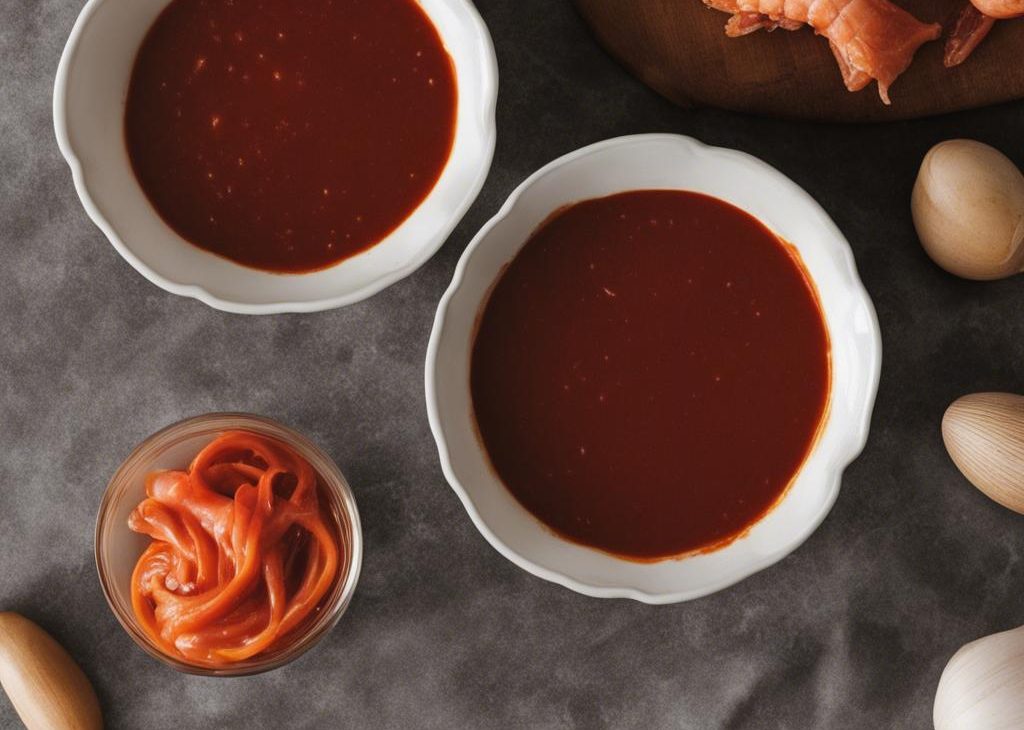
Smackilicious Bloves Sauce is the kind of recipe I pull out when I want a dependable result without pretending the kitchen is a studio set. I like food that gives clear signs as it cooks: edges that set, sauce that thickens, dough that changes from shaggy to smooth, or a blender that finally stops rattling over chunks of ice.
I keep the process close to the way I actually cook at home. I care about the small moments: when to stop mixing, what the center should look like, how long to cool it, and what I do when a batch looks a little different from the last one.
For this sauce, I keep the flavor direct and the method honest. If there is a wait time, I say why it matters. If a step is easy to rush, I point it out. That is usually the difference between food that is fine and food I want to make again.
First, collect all the ingredients and put them in one place to make the cooking process easier.
Peel off the onions and garlic and then mince them with a blender. After that, put the mixture in a bowl and keep it aside.
Now take a new bowl and add 1 tsp garlic powder, 1 tsp onion powder, 1 tsp oregano, 1 tsp chili powder, 1 tsp lemon pepper, 1 tsp ginger powder, 1 tsp black pepper, 1 tsp paprika, 1 tbsp cayenne pepper, 1 tsp cajun seasoning, 2 tsp old bay seasoning, 1 tsp salt and 1 tsp brown sugar and combine them well. This is your homemade blove's seafood seasoning.
After that, take a saucepan, place 4 sticks of unsalted butter and melt them on medium-high heat for about 1 minute.
Once the butter has come to a liquid texture, add the onion-garlic paste to it and cook for about 2-3 minutes, stirring regularly.
Now, add the blove's seafood seasoning mixture in the saucepan and stir until it is completely combined with the butter.
Let it cook for 5 minutes on medium heat while stirring regularly. Now, add 1 tsp hot sauce and 1 tsp Worcestershire sauce to the saucepan, then simmer for one additional minute.
Your blove's sauce is ready to eat. Now, pour into a large bowl and Serve with your favorite seafood.
I cool leftovers before covering them, then store them in the refrigerator unless the recipe is meant to sit at room temperature. When reheating, I use gentle heat and stop as soon as the texture comes back. A splash of liquid or a fresh garnish can make leftovers taste intentional again.
I keep the serving simple and let the main flavor lead. If the dish is rich, I add something fresh or crisp on the side.
Yes. I handle the make-ahead parts early and save any crisp or fresh toppings for serving.
I cool everything first, then store it covered so condensation does not ruin the texture.
Yes, but I adjust in small amounts. It is easier to add heat or salt than to fix too much.
Rushing the rest time. I get a better texture when I let the recipe finish setting before serving.
Usually, yes. I keep pan size and cooking depth in mind because thickness changes timing.
If you make Smackilicious Bloves Sauce, leave a comment with the change you tried or the cue that helped most. I read those notes because they make the next batch better.
This is my practical rewrite for Smackilicious Bloves Sauce, built around 2-4 pieces unsalted butter, garlic heads, white onion, garlic powder. I keep the method clear, call out the texture cues I watch for, and include storage notes so the leftovers are not an afterthought.
I measure before I start; the calm counter keeps me from missing the small ingredients.
I trust the visual cues more than the timer when my oven or pan is acting different.
I let the finished food cool or rest before judging the texture. Heat can make it seem softer than it really is.
I taste the finishing sauce or topping before serving and adjust salt only at the end.


