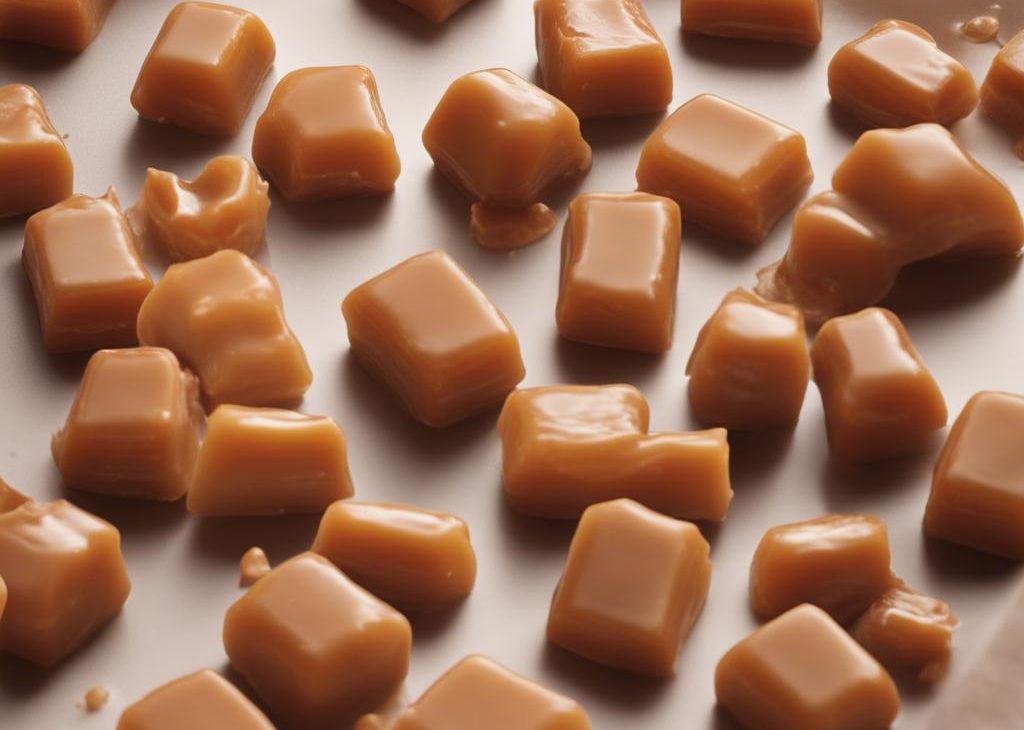
Soft Caramel Candies is the kind of recipe I pull out when I want a dependable result without pretending the kitchen is a studio set. I like food that gives clear signs as it cooks: edges that set, sauce that thickens, dough that changes from shaggy to smooth, or a blender that finally stops rattling over chunks of ice.
I keep the process close to the way I actually cook at home. I care about the small moments: when to stop mixing, what the center should look like, how long to cool it, and what I do when a batch looks a little different from the last one.
For this candy, I keep the flavor direct and the method honest. If there is a wait time, I say why it matters. If a step is easy to rush, I point it out. That is usually the difference between food that is fine and food I want to make again.
Why I keep coming back to this
- The method is straightforward once the ingredients are measured.
- It uses familiar pantry staples in a way that tastes intentional.
- I can make it ahead without losing the texture I like.
- The leftovers still taste good the next day.
- It is easy to adjust without rewriting the recipe.
What you need and what each ingredient is doing
- 1 and 1/2 cups heavy cream (355ml). It brings tenderness and moisture; cold dairy can slow mixing, so I plan ahead when needed.
- 1 cup granulated sugar (200g).
- 1/2 cup packed brown sugar (100g).
- 1/3 cup light corn syrup (80ml).
- 1 teaspoon salt.
- 1 teaspoon pure vanilla extract.
- 1/2 scraped seeds from of a vanilla bean.
- 1 Tablespoon unsalted butter (14g). It carries flavor and helps the edges brown; I keep it at the texture the method calls for.
- coarse sea salt for topping.
How I make it
Step 1 — Set up the pan and oven
Line an 8-inch square baking pan with aluminum foil, leaving enough overhang on the sides to easily remove the caramel once it has set. Lightly grease the foil with butter.
Step 2 — Combine the ingredients
Combine the cream, granulated sugar, brown sugar, and corn syrup in a 3-quart heavy duty saucepan over medium heat. Using a wooden spoon, stir constantly as the sugars dissolve. The mixture will be thick and cloudy looking.
Step 3 — Build the flavor
Once boiling, brush down the sides of the pan with a water-moistened pastry brush. Attach a candy thermometer to the pan, making sure not to let it touch the bottom.
Step 4 — Cook the mixture
Without stirring, cook until the temperature reaches 245°F (118°C). Immediately remove from heat and stir in 1 teaspoon of salt, the vanilla extract, vanilla bean seeds, and butter. The mixture may burst and bubble, so be careful stirring.
Step 5 — Cool, finish, and store
Pour the hot caramel into the prepared baking pan and top with coarse sea salt, if desired. Allow to cool at room temperature, uncovered, for 4 hours or overnight (no need to cover).
Step 6 — Finish and serve
Once set, remove the caramel from the pan by lifting out the aluminum foil. Peel the foil off and, using a very sharp knife, cut into rectangles or squares. Wrap with candy wrappers, if desired.
Tips from my kitchen
- I measure before I start; the calm counter keeps me from missing the small ingredients.
- I trust the visual cues more than the timer when my oven or pan is acting different.
- I let the finished food cool or rest before judging the texture. Heat can make it seem softer than it really is.
- I keep the thermometer clipped where the bulb sits in the caramel, not on the pan bottom.
- I do not scrape the sides of the pot into the pan once the caramel is cooked.
Variations I have actually tried
- Use chopped roasted peanuts for a saltier bite.
- Drizzle extra caramel over the chilled top right before serving.
- Swap in dark chocolate if milk chocolate tastes too sweet.
- Cut smaller pieces for a candy-platter style dessert.
- Add a pinch of flaky salt to make the caramel taste deeper.
Storing, reheating, and making ahead
I wrap the caramels only after they are fully cool. They keep at cool room temperature in an airtight container, with parchment or waxed paper between layers. If the kitchen is warm, I move them to the refrigerator and let them sit out a few minutes before eating.
How I like to serve it
I serve these after they have cooled enough to show their real texture. For a tray, I mix small and larger pieces so people can take what they actually want.
Frequently asked questions
Do I need a candy thermometer?
Yes. I do not guess with caramel because a few degrees change the chew.
Why is my caramel too soft?
It likely stopped cooking too early or the thermometer was not sitting correctly in the syrup.
Why is my caramel too hard?
It cooked a little too high. I cut it small and let it sit at room temperature before serving.
Can I double the batch?
I make separate batches instead. A deeper pot of caramel heats differently and is harder to control.
How do I wrap it?
I use small waxed paper squares and twist the ends once the candy is fully cool.
If you make Soft Caramel Candies, leave a comment with the change you tried or the cue that helped most. I read those notes because they make the next batch better.