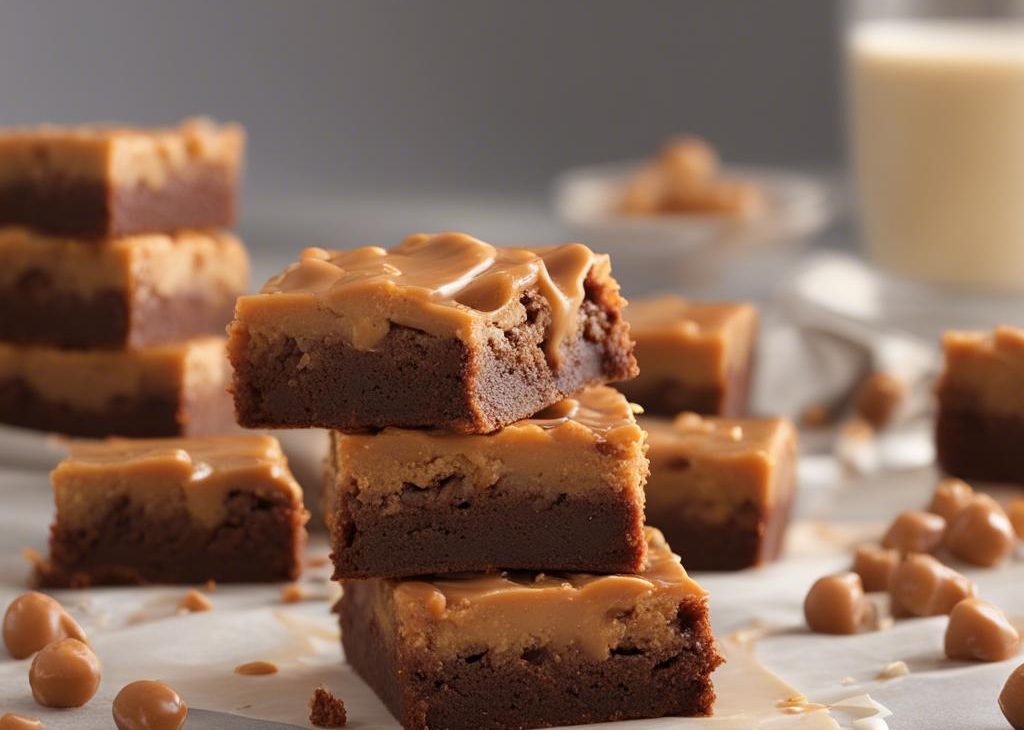
I make these small butterscotch brownies when I want a chewy brown sugar square without baking a full pan. The half egg looks odd on paper, but it works once I beat the egg first and use only half.
I also keep my own checks in the method, because older recipes often assume I know what a thick batter, firm candy, or golden top should look like.
I have made enough brownies to know the small details matter. I do not need fancy language or extra garnish; I need the pan prepared, the ingredients measured, and a clear stopping point so the finished recipe tastes like home cooking, not a rushed test.
Why I keep coming back to this
- I can make this brownies with familiar ingredients and no mystery steps.
- The quantities stay close to the source, even when the batch is small or old-fashioned.
- I get better results when I prep the pan, bowl, or jars before mixing.
- The recipe gives clear texture cues, which I trust more than the clock alone.
- It can be adjusted with small add-ins without changing the basic method.
- Leftovers store well when I cool the recipe completely first.
What I use and why it matters
I like to line the ingredients up in order before I start. For this brownies, the amounts are modest, so accuracy matters more than speed.
- sea salt, 1/4 teaspoon.
- pure vanilla extract, 1/4 teaspoon.
- egg, lightly beaten, 1/2.
- light brown sugar, 1/2 cup. tightly packed
- pecans, 1/4 cup. finely chopped
- all-purpose flour, 3/8 cup.
- baking powder, 1/2 teaspoon.
- vegetable shortening, 1/8 cup.
How I make it
Step 1 — Prepare the pan
I preheat the oven to 350°F (175°C). Grease and flour an 8-inch square baking pan.
Step 2 — Beat until smooth
I cream the vegetable shortening with the packed brown sugar until evenly mixed, then beat in the 1/2 egg and vanilla.
Step 3 — Whisk the dry ingredients
I whisk the flour, baking powder, and salt separately, then fold them into the brown sugar mixture just until no dry streaks remain.
Step 4 — Fold together
I fold in the finely chopped pecans and spread the shallow batter evenly in the prepared pan.
Step 5 — Bake
I bake for about 20-25 minutes, until the top is set and a toothpick comes out with moist crumbs. Cool completely before cutting into 9 squares.
Tips from my kitchen
- Read the full method first. I set out every ingredient before starting because the middle steps move faster than expected.
- Watch texture. I look for the cue in the bowl or pan instead of blindly following minutes.
- Measure small amounts carefully. In a scaled recipe, a little extra flour, salt, or sugar shows up quickly.
- Cool before storing. Trapped steam can soften crisp edges or make sweets sticky.
- Make one small adjustment at a time. If I change flavor, I keep the main ratios steady.
Variations I have actually tried
- Variation 1: Swap the shortening for softened butter for a richer edge.
- Variation 2: Use walnuts instead of pecans for a slightly sharper nut flavor.
- Variation 3: Fold in 2 tablespoons butterscotch chips if the pantry has a small handful left.
- Variation 4: Add a tiny pinch of cinnamon to make the brown sugar taste warmer.
- Variation 5: Drizzle cooled bars with caramel and a few grains of flaky salt.
Storing and serving
I let the brownies cool or settle completely before storing. For baked items, I use an airtight container; for chilled candy, frosting, pickles, or pie, I use the refrigerator. If I freeze portions, I wrap them tightly and thaw gently so the texture stays as close as possible to fresh.
I serve this as 1 brownie. If the recipe is sweet, coffee or tea keeps it balanced. If it is savory, I add something crisp or acidic on the side. That simple pairing makes the recipe feel intentional without adding another project.
What I watch most closely
What I watch most closely
What I watch most closely
Frequently asked questions
Can I make this ahead?
Yes. I usually make brownies ahead only when the storage method supports it. I cool it fully, cover it well, and refresh gently if the texture needs help.
Can I change the main flavor?
I can, but I keep the base ratios the same the first time. Once I know how the brownies behaves, I make one flavor swap at a time.
What is the biggest mistake to avoid?
Rushing is the mistake I see most. I give the recipe time to thicken, brown, chill, set, or cool before deciding it needs fixing.
Can I double the recipe?
Usually, yes, but I mix carefully and use the same visual cues. For candy and small-batch batters, I prefer making one batch first before doubling.
How do I know it is done?
I use the cue in the instructions, not just the timer. For this brownies, the finished texture should match the description before I move to serving or storage.
If you make this brownies, tell me what you changed and what you kept exactly the same. Those little kitchen notes are the ones I always want later.