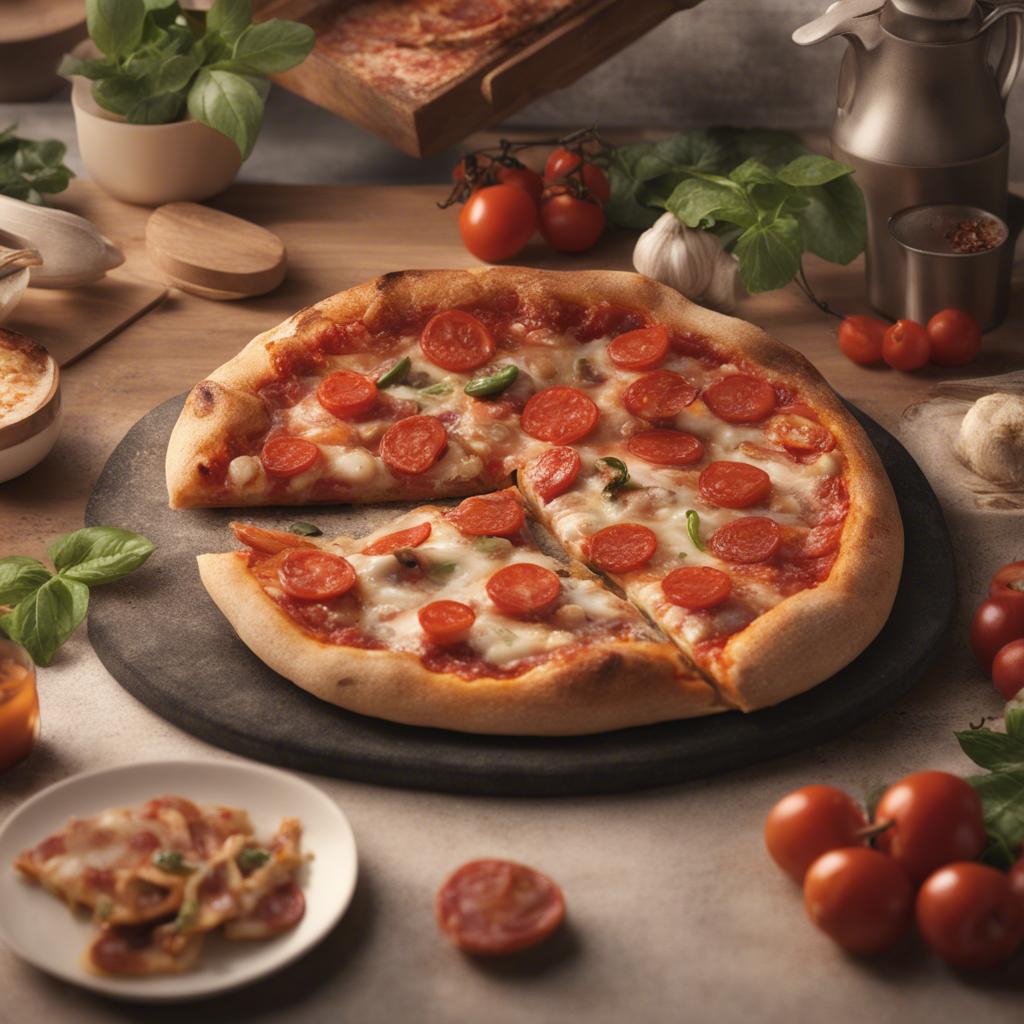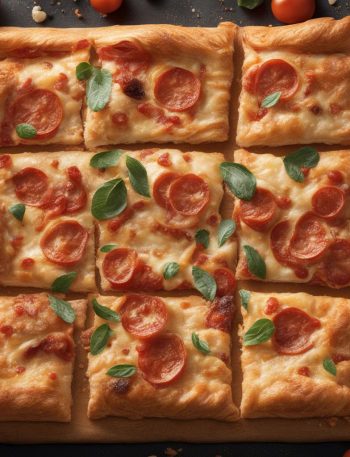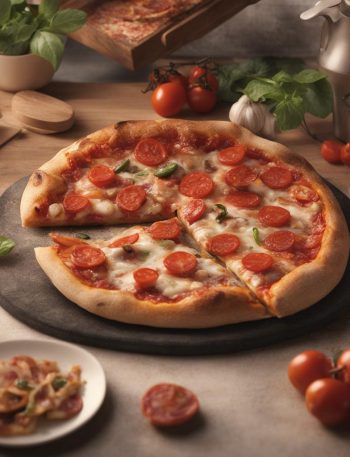

Bissiole is the flatbread I make when I want bread with dinner but did not plan for a full loaf. The dough is only flour, yeast, salt, warm water, and a little olive oil.
After a short rise, I roll the dough thin and bake it at 450°F on a cornmeal-dusted sheet. The edges crisp, the center stays chewy, and the whole thing is ready for oil, herbs, or soup.
The recipe is forgiving, but the bake moves quickly. I have toppings and a cooling rack ready before the dough goes into the oven.
Why I keep coming back to this
- Short ingredient list.
- A little yeast gives chew without fuss.
- Cornmeal keeps the dough from sticking.
- The flatbreads bake in 10-15 minutes.
- They work plain, topped, or dipped.
- The dough can rest overnight in the refrigerator.
What I use and why it matters
- 2 cups all-purpose flour. Flour gives the recipe its backbone. I spoon and level instead of packing it.
- 1/2 teaspoon salt. Salt makes the sweet and savory flavors taste clearer.
- 1/2 teaspoon active dry yeast. This is the lift, and I check freshness before baking.
- 3/4 cup warm water.
- 1 tablespoon olive oil (plus more for brushing if desired).
- cornmeal (for dusting). Cornmeal gives a little crunch and a warm, toasty flavor.
How I make it
Step 1 — Mix the dough
I stir flour, salt, and yeast together, then add warm water and mix until no dry patches remain. The dough looks shaggy before kneading.
Step 2 — Knead with oil
I add olive oil and knead until the dough turns smoother and slightly elastic. If it sticks badly, I dust in a spoonful of flour.
Step 3 — Let it rise
I cover the bowl with a damp towel and let it rise 1-2 hours. I look for a softer, puffier dough, not a dramatic rise.
Step 4 — Shape the disks
I preheat the oven to 450°F, line a sheet with parchment, dust with cornmeal, and roll the dough into 4 thin disks.
Step 5 — Bake hot
I brush the disks lightly with olive oil and bake 10-15 minutes, until the edges are golden and the tops have toasted spots.
Small details that change the result
Warm water should feel warm, not hot. If it is uncomfortable on my finger, it is too hot for the yeast.
Thin disks bake crisp at the edges. Thick rounds are still good, but they eat more like small breads.
How I keep the texture right
For Bissiole Italian Flatbread, texture comes from restraint more than extra ingredients. I try not to rush the heating, mixing, cooling, or resting steps, because those are the moments where this recipe usually changes from dependable to disappointing. If something looks a little uneven but the batter, dough, or sauce still feels right, I leave it alone instead of fixing it into a tougher result.
I also set up my pan, rack, towels, knife, or serving plate before the final cooking step. That sounds fussy until the hot food is ready and I am digging through a drawer. Having the landing spot ready helps me move quickly without smashing crumbs, steaming crisp edges, or letting a sauce reduce too far.
When I test for doneness, I use more than one cue. Color tells me one thing, touch tells me another, and the timer mostly reminds me to pay attention. Baked goods should smell finished and spring gently; fried or skillet dishes should sound active but not angry; casseroles should settle at the edges before I scoop.
If I am unsure, I give the food a short rest instead of cutting into it immediately. Resting lets steam redistribute, crumbs firm up, and sauces cling. I have ruined more good recipes by rushing the first serving than by waiting five minutes.
One more thing I have learned from making this more than once: the recipe behaves better when I slow down at the points that look unimportant. Measuring before I start, letting hot food rest, and tasting the sauce or batter before the final step saves me from most of the little mistakes that used to annoy me.
I write those small checks into my cooking now because they are easy to skip when dinner is close or the coffee is already poured. A scraped bowl, a properly heated pan, a cooled cake layer, or a drained vegetable can be the difference between a recipe I want to repeat and one I quietly tolerate. None of it is complicated; it is just the kind of kitchen patience I had to learn by making a few messy batches.
I also keep notes on what I would change next time. Sometimes the answer is nothing, which is useful to know. Other times I write down that a pan ran hot, a filling needed draining, or a topping browned faster than expected. Those notes make the second batch calmer, and they are the reason this version is the one I would hand to a friend.
Most of all, I try to serve it the way I actually like eating it at home, not the way a photo setup would demand. Hot food gets served hot, tender bakes get time to cool, and anything crisp gets a little breathing room.
That practical rhythm is what makes the recipe repeatable for me every time. I want a result that tastes right on an ordinary day, with normal tools, normal interruptions, and a sink that somehow fills up before the food is done.
Tips from my kitchen
- Do not rush the rise. The dough needs time to relax.
- Use parchment. Thin dough is easier to move.
- Dust with cornmeal. It adds release and texture.
- Watch the end. At 450°F, browning happens fast.
Variations I have actually tried
- Garlic herb: brush with garlic oil and rosemary.
- Cheese top: add Parmesan during the last 3 minutes.
- Tomato: spread a little marinara before baking.
- Sesame: sprinkle seeds over the oil.
- Soup strips: cut baked rounds into dippers.
Storing and reheating
I keep leftovers wrapped at room temperature for 1 day or refrigerated for up to 3 days.
To reheat, I put pieces directly on the oven rack at 350°F for 5-7 minutes.
What I serve with it
I like bissiole with olive oil, flaky salt, tomato soup, grilled vegetables, or a plate of cheese and olives.
Frequently asked questions
Can I make the dough ahead?
Yes. I refrigerate it after kneading and shape it the next day.
Can I use instant yeast?
Yes, use the same amount and mix it with the flour.
Why is it tough?
It may have too much flour or have baked too long.
Can I grill it?
Yes. Oil the disks lightly and grill over medium-high heat for a few minutes per side.
What toppings work?
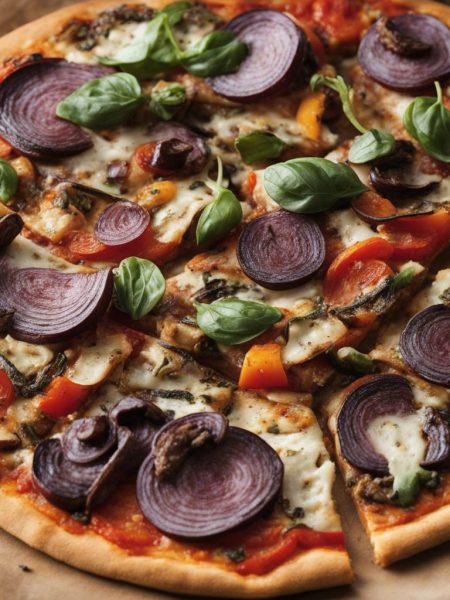
Garlic oil, herbs, cheese, marinara, roasted vegetables, or pesto all work.
If a flatbread comes out oddly shaped, I call that the cook’s piece and eat it first.
Bissiole Italian Flatbread
Description
Bissiole is a simple Italian-style flatbread made with flour, yeast, salt, warm water, and olive oil. I bake it hot on a cornmeal-dusted sheet until the edges are golden.
Ingredients You’ll Need
Instructions
- Combine flour, salt, and yeast. Add warm water and mix into a shaggy dough.
- Add olive oil and knead until smooth and elastic. Cover and let rise 1-2 hours.
- Preheat oven to 450°F. Line a baking sheet with parchment and dust with cornmeal.
- Divide dough into 4 portions and roll into thin disks. Brush lightly with olive oil.
- Bake 10-15 minutes, until golden. Serve warm.
Note
Overnight option. Refrigerate the covered dough after kneading.
Brush lightly. Too much oil can fry the top.
Serve warm. The texture is best soon after baking.
Keep shapes rustic. Uneven circles still taste right.
Frequently Asked Questions
Yes. I refrigerate it after kneading and shape it the next day.
Yes, use the same amount and mix it with the flour.
It may have too much flour or have baked too long.
Yes. Oil the disks lightly and grill over medium-high heat for a few minutes per side.
Garlic oil, herbs, cheese, marinara, roasted vegetables, or pesto all work.