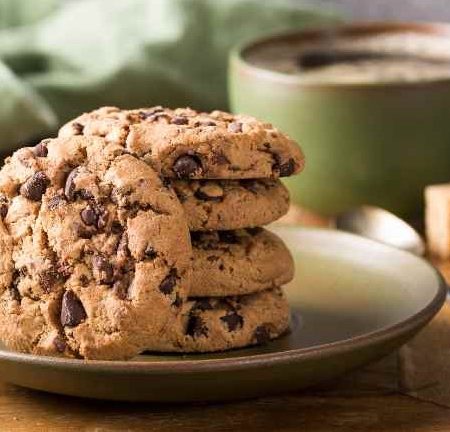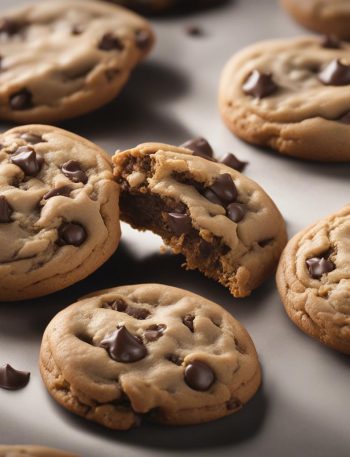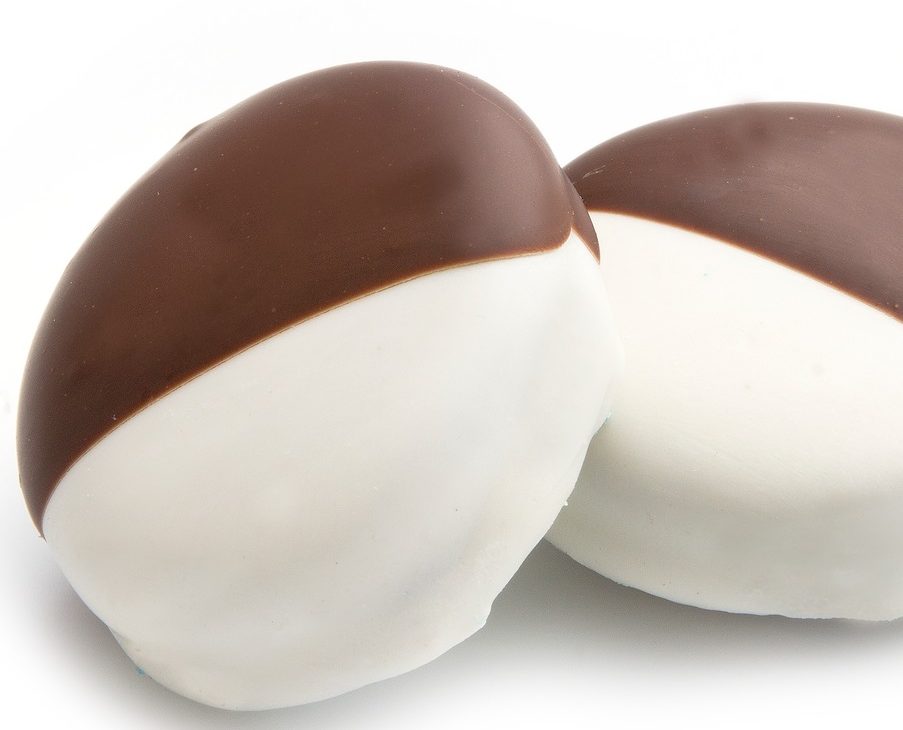

Black and White Cookies are the bakery cookie I make when I want something nostalgic but still a little fussy. The cookie is soft and cakey, closer to a tender snack cake than a crisp cookie.
The icing is where I slow down. I spread vanilla first, chill it until set, and then add chocolate. If I rush, the two sides blur together.
I like these the day they are iced, after the glaze firms but the cookie underneath is still plush. One large cookie feels like a proper dessert with coffee.
Why I keep coming back to this
- The flavor is specific, not just sweet.
- The method gives me a reliable texture.
- The recipe stores well enough to make ahead.
- Small details make it feel bakery-made at home.
- It works for breakfast, dessert, or a coffee break.
- The leftovers are still worth eating the next day.
What I use and why it matters
- 1 3/4 cups all-purpose flour (219g). Flour gives the recipe its backbone. I spoon and level instead of packing it.
- 1/2 teaspoon baking powder.
- 1/4 teaspoon baking soda.
- 1/4 teaspoon salt.
- 10 Tablespoons unsalted butter (142g; softened). Butter brings flavor and browning. I use it carefully because it can make rich recipes feel heavy.
- 1 cup granulated sugar (200g).
- 1 large egg (at room temperature). Eggs set the mixture and give the finished dish enough structure to slice or lift.
- 2 teaspoons pure vanilla extract.
- 1/3 cup sour cream (80g). This is my insurance against a dry crumb.
- 5 1/2 cups confectioners’ sugar (660g).
- 7 Tablespoons whole milk (105ml; divided). This loosens the batter and keeps the texture tender.
- 2 Tablespoons light corn syrup.
- 1 teaspoon pure vanilla extract (for icing).
- 1/2 teaspoon salt (for icing).
- 3 Tablespoons unsweetened cocoa powder (15g).
How I make it
Step 1 — Cream the butter and sugar
I whisk the flour, baking powder, baking soda, and salt, then cream butter and sugar for about 2 minutes. Egg, vanilla, sour cream, and the dry ingredients make a very thick batter.
Step 2 — Scoop and bake
I drop 1/4-cup mounds 4 inches apart and bake at 350°F (180°C) for 16-18 minutes, until the edges are barely browned.
Step 3 — Whisk together
I whisk confectioners’ sugar, 6 tablespoons milk, corn syrup, vanilla, and salt, then move 1 cup to another bowl with cocoa and the last tablespoon of milk.
Step 4 — Chill
I spread vanilla icing on half of each flat side, chill 15 minutes, then spread chocolate on the other half and let the cookies set about 1 hour.
Small details that change the result
I measure the dry ingredients before I start mixing because these batters move quickly once the dairy and leavening meet. That small setup step keeps me from overmixing while I hunt for something.
I also pay attention to cooling time. Warm cakes and cookies can seem done, but they slice, ice, or store better after the crumb has had a chance to settle.
How I keep the texture right
For Black and White Cookies, texture comes from restraint more than extra ingredients. I try not to rush the heating, mixing, cooling, or resting steps, because those are the moments where this recipe usually changes from dependable to disappointing. If something looks a little uneven but the batter, dough, or sauce still feels right, I leave it alone instead of fixing it into a tougher result.
I also set up my pan, rack, towels, knife, or serving plate before the final cooking step. That sounds fussy until the hot food is ready and I am digging through a drawer. Having the landing spot ready helps me move quickly without smashing crumbs, steaming crisp edges, or letting a sauce reduce too far.
When I test for doneness, I use more than one cue. Color tells me one thing, touch tells me another, and the timer mostly reminds me to pay attention. Baked goods should smell finished and spring gently; fried or skillet dishes should sound active but not angry; casseroles should settle at the edges before I scoop.
If I am unsure, I give the food a short rest instead of cutting into it immediately. Resting lets steam redistribute, crumbs firm up, and sauces cling. I have ruined more good recipes by rushing the first serving than by waiting five minutes.
One more thing I have learned from making this more than once: the recipe behaves better when I slow down at the points that look unimportant. Measuring before I start, letting hot food rest, and tasting the sauce or batter before the final step saves me from most of the little mistakes that used to annoy me.
I write those small checks into my cooking now because they are easy to skip when dinner is close or the coffee is already poured. A scraped bowl, a properly heated pan, a cooled cake layer, or a drained vegetable can be the difference between a recipe I want to repeat and one I quietly tolerate. None of it is complicated; it is just the kind of kitchen patience I had to learn by making a few messy batches.
I also keep notes on what I would change next time. Sometimes the answer is nothing, which is useful to know. Other times I write down that a pan ran hot, a filling needed draining, or a topping browned faster than expected. Those notes make the second batch calmer, and they are the reason this version is the one I would hand to a friend.
Most of all, I try to serve it the way I actually like eating it at home, not the way a photo setup would demand. Hot food gets served hot, tender bakes get time to cool, and anything crisp gets a little breathing room.
That practical rhythm is what makes the recipe repeatable for me every time. I want a result that tastes right on an ordinary day, with normal tools, normal interruptions, and a sink that somehow fills up before the food is done.
Tips from my kitchen
- Use room-temperature dairy and eggs. They blend more smoothly.
- Stop mixing early. A few tiny lumps are better than a tough crumb.
- Cool before icing or slicing. Warm bakes are fragile.
- Trust visual cues. Ovens vary, so I watch color and texture.
Variations I have actually tried
- Orange: add orange zest to the cookie.
- Espresso: add espresso powder to chocolate icing.
- Mini: scoop smaller mounds and check early.
- Lemon: flavor the white side with lemon extract.
- Holiday: tint the vanilla icing lightly.
Storing and reheating
I store leftovers tightly covered, using the refrigerator for anything with cream cheese or fresh fruit that will sit more than a day.
For the best texture, I let chilled slices or cookies sit at room temperature briefly before serving. Muffins refresh with a few seconds in the microwave.
What I serve with it
I serve this with coffee or tea. If it is part of brunch, I add something salty and something fresh so the sweet bake does not have to carry the whole plate.
Frequently asked questions
Why ice the flat side?
The flat side gives the smooth bakery look and keeps icing from pooling.
Can I skip corn syrup?
Yes, but the icing is less shiny and sets softer.
Why is the icing runny?
It needs more confectioners’ sugar or more setting time.
Can I freeze them?
I freeze uniced cookies, then thaw and ice fresh.
Can I make them smaller?
Yes. Start checking early because small cookies bake faster.
If the dividing line is not perfectly straight, I still count it as homemade charm.
Black and White Cookies
Description
Soft New York-style black and white cookies with cakey vanilla centers and half vanilla, half chocolate icing. I chill the vanilla side before adding chocolate so the line stays tidy.
Ingredients You’ll Need
Instructions
- Preheat oven to 350°F (180°C). Line 2 baking sheets.
- Whisk flour, baking powder, baking soda, and salt.
- Beat butter and sugar until creamy. Beat in egg and vanilla, then add dry ingredients alternating with sour cream.
- Scoop 1/4-cup mounds 4 inches apart. Bake 16-18 minutes and cool completely.
- Whisk icing base, divide, and add cocoa plus extra milk to one portion.
- Ice vanilla half first, chill 15 minutes, ice chocolate half, and set about 1 hour.
- Store airtight 2 days at room temperature or 1 week refrigerated.
Nutrition Facts
Servings 12
- Amount Per Serving
- Calories 609kcal
- % Daily Value *
- Total Fat 12g19%
- Saturated Fat 7g35%
- Trans Fat 0.4g
- Cholesterol 50mg17%
- Sodium 111mg5%
- Potassium 72mg3%
- Total Carbohydrate 126g42%
- Dietary Fiber 1g4%
- Sugars 110g
- Protein 3g6%
- Calcium 40 mg
- Iron 1.1 mg
* Percent Daily Values are based on a 2,000 calorie diet. Your daily value may be higher or lower depending on your calorie needs.
Note
Measure carefully. The gram notes helped reconstruct the missing ingredient names.
Do not overbake. The center finishes setting as it cools.
Cool on a rack. Air circulation prevents soggy bottoms.
Slice cleanly. A wiped knife makes neater servings.
Frequently Asked Questions
The flat side gives the smooth bakery look and keeps icing from pooling.
Yes, but the icing is less shiny and sets softer.
It needs more confectioners' sugar or more setting time.
I freeze uniced cookies, then thaw and ice fresh.
Yes. Start checking early because small cookies bake faster.
You may also like...