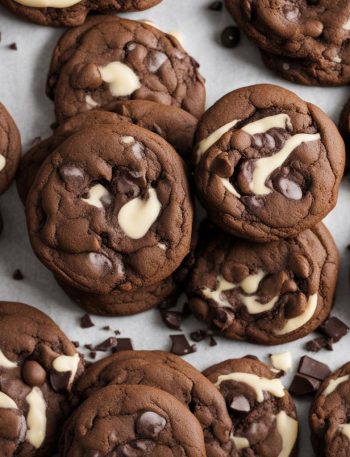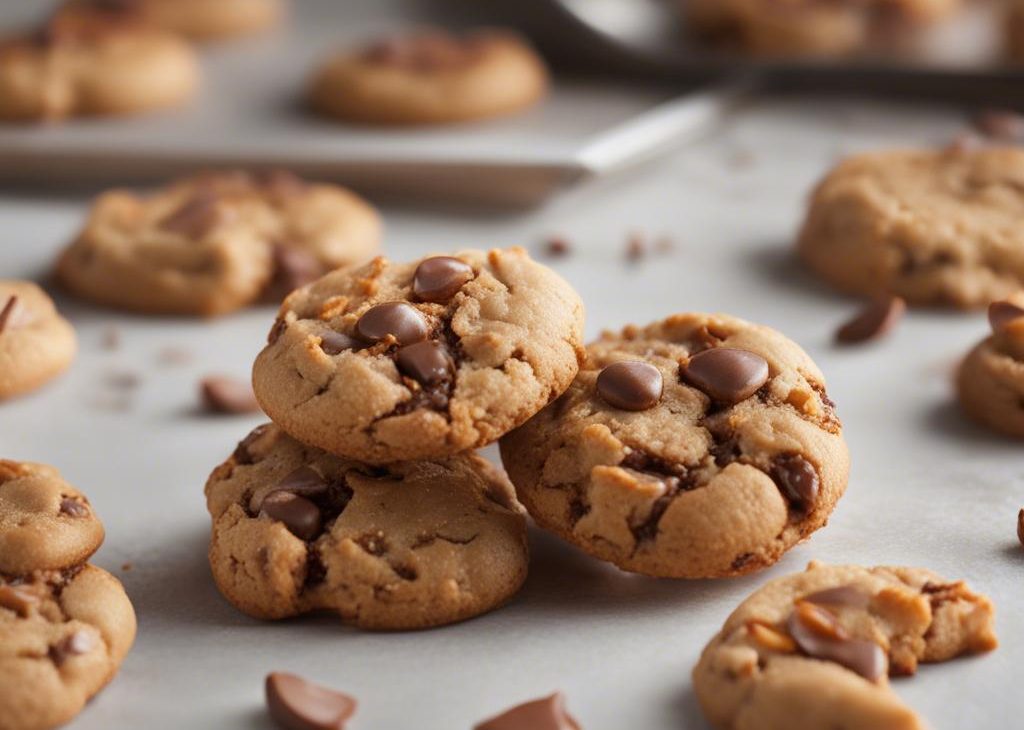

I make Chewy Butterfinger Cookies when I want fast candy-bar cookies with crisp bits through a soft dough. It is not a fussy recipe, but it rewards paying attention to the small things: the feel of the dough, the thickness of the sauce, or the moment the center stops looking wet. I wrote this version the way I actually cook it, with the little checkpoints I use in my own kitchen.
I keep the quantities, pan sizes, oven temperatures, chilling times, and serving count clear because guessing is where home recipes get frustrating. When an old card or a copied note leaves out a detail, I would rather fix it before I am standing at the counter with sticky hands.
My favorite part of this Butterfinger cookies is the way the Butterfinger pieces melt at the edges and stay crunchy in the middle. I do not need a special occasion for it. I need a clear counter, the ingredients measured before I get distracted, and enough patience to let the finished dish rest when the instructions say to rest it.
Why I keep this recipe in rotation
- It uses familiar ingredients, so I am not hunting for one odd item at the last minute.
- The timing is realistic; I can start it, clean as I go, and still serve it without feeling rushed.
- The flavor is balanced instead of flat: sweet recipes get salt, savory recipes get acidity, and sauces get time to come together.
- It gives me clear visual cues, which I trust more than the clock alone.
- Leftovers hold up well when I store them the way I describe below.
- It is flexible enough for small swaps, but the base recipe still has a dependable structure.
What you need and what each ingredient does
- 1 3/4 cups all-purpose flour. spooned & leveled. I measure it carefully because too much is the quickest way to make the texture heavy.
- 3/4 teaspoon baking soda. This is one of those quiet ingredients that changes texture more than flavor.
- 1/4 teaspoon salt. I never skip it; even sweet recipes taste dull without a small amount.
- 3/4 cup granulated sugar. It sweetens, of course, but it also helps browning and tenderness.
- 1/2 cup unsalted butter, softened. 8 Tbsp; 113g.
- 1 large egg, at room temperature. It binds the mixture and gives the finished bake a little structure.
- 8 fun sized Butterfinger candy bars, chopped.
How I make it
Step 1 — Preheat the oven
Preheat the oven to 350°F (177°C). Set out ungreased baking sheets.
Step 2 — Whisk the dry ingredients
Whisk the flour, baking soda, and salt in a small bowl.
Step 3 — Cream butter and sugar
Beat the granulated sugar and butter with an electric mixer until creamy, then beat in the egg just until combined.
Step 4 — Add candy
Add the flour mixture gradually. Stir in the chopped Butterfinger pieces by hand; the dough will be thick.
Step 5 — Bake
Drop slightly rounded tablespoonfuls onto the baking sheets. Bake 10-12 minutes until lightly browned.
Step 6 — Transfer
Cool 5 minutes on the sheets, then transfer to a wire rack to cool completely.
Tips from my kitchen
- Chop unevenly. A mix of crumbs and chunks gives better candy pockets.
- Do not overbeat the egg. Once it disappears, I move on.
- Watch the candy edges. The cookies are done when the cookie edges brown, not when every candy bit darkens.
- Cool on the sheet. The cookies are fragile for the first few minutes.
Variations I have actually tried
- Chocolate drizzle: Drizzle cooled cookies with melted semi-sweet chocolate.
- Peanut butter note: Add a spoonful of peanut butter and a touch more flour if needed.
- Mini chips: Fold in a small handful of mini chocolate chips.
- Salted candy: Sprinkle a few grains of flaky salt on warm cookies.
- Halloween batch: Use mixed chopped candy bars in the same amount.
Storing, reheating, and making ahead
I store the cookies covered at room temperature for up to 1 week. The candy softens slightly by day two, which I actually like.
Because this dough bakes without chilling, I usually make it fresh. If I need to pause, I cover the bowl and refrigerate it, then let it soften before scooping.
What I serve with it
These are sweet, so I serve them with cold milk or coffee. For dessert plates, I make the scoops a little smaller.
Small details I watch
I pay attention to texture more than anything with Chewy Butterfinger Cookies. If the mixture looks too loose, I give it the rest time the recipe calls for instead of immediately changing the ingredients. If it looks too thick, I check whether I packed a dry ingredient too firmly or let something chill longer than planned. Those tiny checks have saved more batches for me than any fancy tool.
I also taste when it is safe and sensible to taste. Sauces need a spoon check, fillings need a sweetness check, and cookie dough or brownie batter needs visual cues when raw eggs are involved. I keep a clean spatula nearby, scrape the bowl well, and use the clock as a guide rather than a command.
For this Butterfinger cookies, I set the pan, tray, pot, or storage container out before I start. It sounds minor, but it keeps me from leaving hot food in a skillet too long or scrambling for parchment with sticky hands. I also clear a landing spot for the finished batch so cooling is part of the plan instead of an afterthought.
I write those details down because most recipe problems happen between the official steps. A burner runs hotter than expected, fruit gives off more juice, a cookie sheet is still warm from the last round, or the first slice is cut before the filling has settled. Slowing down at those points is what makes the recipe feel dependable.
When I cook Butterfinger cookies again, I check my last batch in my head before I begin. If it was too sweet, I plan a tangier topping or a smaller serving. If it was dry, I watch the bake or simmer more closely. That kind of ordinary kitchen memory is what I want these notes to preserve.
I also label leftovers before I put them away. The date, the best reheating method, and one quick note about texture help me enjoy the second serving instead of treating it like an afterthought.
Frequently asked questions
Can I chill the dough longer?
Yes. I keep it covered in the refrigerator for the longer time listed when I need to bake later. If the dough gets very firm, I let it sit at room temperature until I can scoop it without fighting it.
Why did my cookies spread?
In my kitchen it is usually warm dough, a warm baking sheet, or butter that was too hot. I chill the dough, line the sheets, and never put fresh dough on a hot pan.
Can I freeze the dough?
Yes. I scoop the dough into balls, freeze them on a tray, and move them to a freezer bag. I bake from frozen and add a minute or two, watching the edges instead of relying only on the timer.
How do I know they are done?
I pull them when the edges are set and the centers still look soft. Cookies finish setting on the hot baking sheet, and that is how I keep the middle chewy.
How long do they keep?
Most batches keep about a week in a covered container at room temperature. I add a small piece of bread to the container if I want them to stay softer.
If you make this Butterfinger cookies, leave a comment with the small adjustment that worked in your kitchen. I read those notes because they always give me one more practical idea to test.
Chewy Butterfinger Cookies
Description
I make Chewy Butterfinger Cookies with clear steps and the little kitchen cues that keep the batch on track. Expect practical notes for mixing, cooking, cooling, storing, and serving.
Ingredients You’ll Need
Instructions
- Preheat the oven to 350°F (177°C). Set out ungreased baking sheets.
- Whisk the flour, baking soda, and salt in a small bowl.
- Beat the granulated sugar and butter with an electric mixer until creamy, then beat in the egg just until combined.
- Add the flour mixture gradually. Stir in the chopped Butterfinger pieces by hand; the dough will be thick.
- Drop slightly rounded tablespoonfuls onto the baking sheets. Bake 10-12 minutes until lightly browned.
- Cool 5 minutes on the sheets, then transfer to a wire rack to cool completely.
Nutrition Facts
Servings 30
- Amount Per Serving
- Calories 73kcal
- % Daily Value *
- Total Fat 3g5%
- Saturated Fat 2g10%
- Trans Fat 0.1g
- Cholesterol 8mg3%
- Sodium 50mg3%
- Potassium 9mg1%
- Total Carbohydrate 11g4%
- Sugars 5g
- Protein 1g2%
- Calcium 2 mg
- Iron 0.3 mg
* Percent Daily Values are based on a 2,000 calorie diet. Your daily value may be higher or lower depending on your calorie needs.
Note
Chop unevenly. A mix of crumbs and chunks gives better candy pockets.
Do not overbeat the egg. Once it disappears, I move on.
Watch the candy edges. The cookies are done when the cookie edges brown, not when every candy bit darkens.
Cool on the sheet. The cookies are fragile for the first few minutes.
Frequently Asked Questions
Yes. I keep it covered in the refrigerator for the longer time listed when I need to bake later. If the dough gets very firm, I let it sit at room temperature until I can scoop it without fighting it.
In my kitchen it is usually warm dough, a warm baking sheet, or butter that was too hot. I chill the dough, line the sheets, and never put fresh dough on a hot pan.
Yes. I scoop the dough into balls, freeze them on a tray, and move them to a freezer bag. I bake from frozen and add a minute or two, watching the edges instead of relying only on the timer.
I pull them when the edges are set and the centers still look soft. Cookies finish setting on the hot baking sheet, and that is how I keep the middle chewy.
Most batches keep about a week in a covered container at room temperature. I add a small piece of bread to the container if I want them to stay softer.
You may also like...