
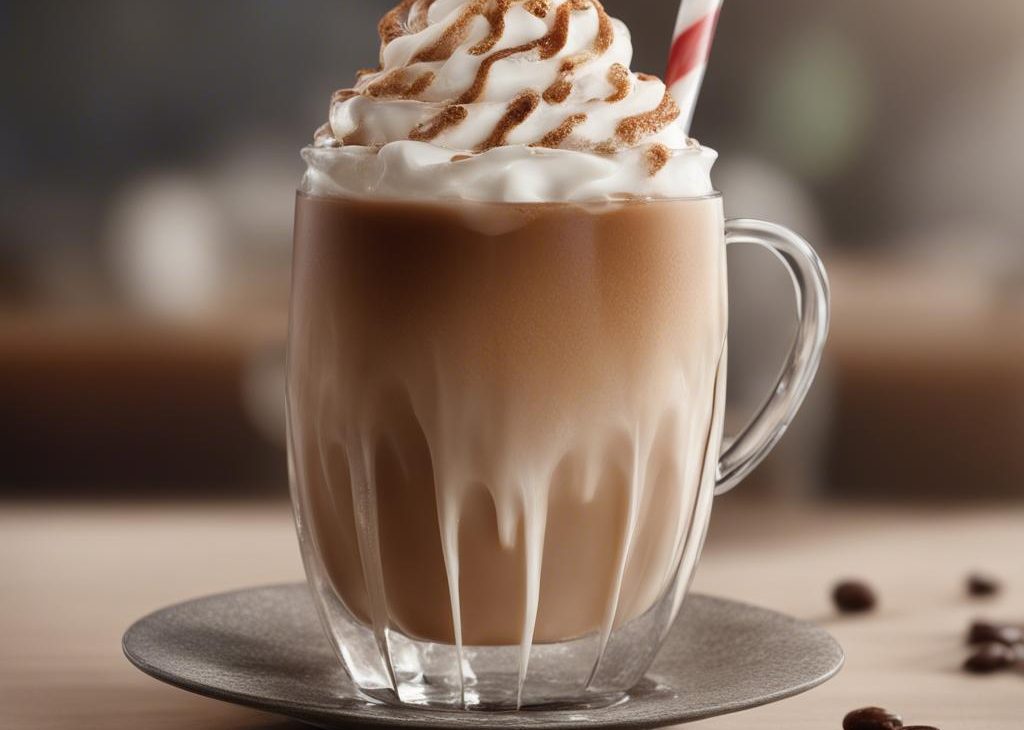
I make Iced Mochaccino on the kind of afternoon when hot coffee sounds wrong but I still want that roasted coffee edge. It is cold, cocoa-rich, and sweet enough to feel like a treat without turning into a full milkshake.
The little thing that matters is dissolving the cocoa before it hits the cold coffee. I skipped that once and ended up chasing dry specks around the pitcher with a spoon. A quick paste fixes it.
I keep the steps simple, but I pay attention to chilling and dilution so the last sip tastes as good as the first.
I brew Robust Coffee: Start by brewing 2 cups of robust coffee. You can use the preferred brewing method, such as a drip coffee maker, French press, or espresso machine. I cool the Coffee: Allow the brewed coffee to cool to room temperature. You can speed up this process by placing the coffee in the refrigerator or pouring it over ice.
I prepare Cocoa Mixture: In a separate bowl, mix 2 tablespoons of cocoa powder with a small amount of hot water to form a smooth paste. This helps to dissolve the cocoa powder more easily in the drink. I sweeten the Cocoa: Add 1/2 cup of sugar to the cocoa paste and stir until the sugar is completely dissolved. This sweetened cocoa mixture will be added to the coffee later.
I combine Coffee and Cocoa: Once the coffee has cooled, pour it into a large pitcher. Add the sweetened cocoa mixture to the coffee, stirring well to ensure the cocoa is evenly distributed. I add Milk: Pour 1 cup of milk into the coffee-cocoa mixture. Stir thoroughly to combine. Adjust the amount of milk based on the taste preferences.
I add Ice: Add ice to the pitcher, adjusting the amount to achieve the desired level of iciness. Stir the mixture again to chill it further. I prepare Serving Glasses: Place ice cubes in serving glasses to keep the drink cold. This step is optional, as the ice cream will also contribute to the chill factor.
I add Ice Cream: Scoop 1/2 cup of the favorite ice cream into each serving glass. This adds a creamy and enjoynt touch to the Iced Mochaccino. I pour and Enjoy: Pour the chilled coffee mixture over the ice and ice cream in each glass. Stir gently if desired. The delicious Iced Mochaccino is now ready to be enjoyed!
I taste after the milk and ice are in, not before. Cold dulls sweetness, and ice changes the strength, so early tasting can trick me into adding too much sugar.
If the pitcher looks streaky, I keep stirring. Cocoa likes to hide on the bottom, and the drink tastes much better once the color is even from top to bottom.
I store the coffee-cocoa base without ice when I can. Ice belongs in the glass or it keeps melting and thins the whole pitcher.
If the drink sits, I stir from the bottom before serving because cocoa and sugar can settle. I add ice cream right before drinking.
I pour it into cold glasses and keep extra ice nearby. If I am serving it after dinner, I make smaller glasses because the coffee and cocoa are richer than they look.
Yes. I prep what I can early and store it covered, then finish the step that protects texture right before serving.
I keep the same quantity and choose a similar ingredient in size and moisture. Big swaps can change timing, so I watch the pan or oven closely.
I look for the visual cue first, then use the timing as backup.
I cool leftovers first, then refrigerate them in an airtight container. For crisp foods, I reheat uncovered so steam does not soften the surface.
I add a small pinch of salt or a little acid, then taste again. Rich dishes often need acid; sweet bakes often need salt.
If you make Iced Mochaccino, tell me what you changed or what cue helped most; I read those notes before I make the next batch.
I make Iced Mochaccino with the source quantities kept intact and the method rewritten around the cues I use in my own kitchen. The source timing is 15 min prep, and I keep those numbers while watching the food instead of the clock alone. Expect practical steps, storage notes, and swaps that stay close to the original dish.
Measure first. I set out every ingredient before heat or mixing starts so I can move calmly.
Watch texture. The source timing matters, but I trust color, set, sizzle, and tenderness too.
Season late if needed. I taste near the end and adjust salt, pepper, acid, or sweetness in small amounts.
Rest when the recipe allows. A short pause keeps slices cleaner, sauces smoother, and juices in place.


