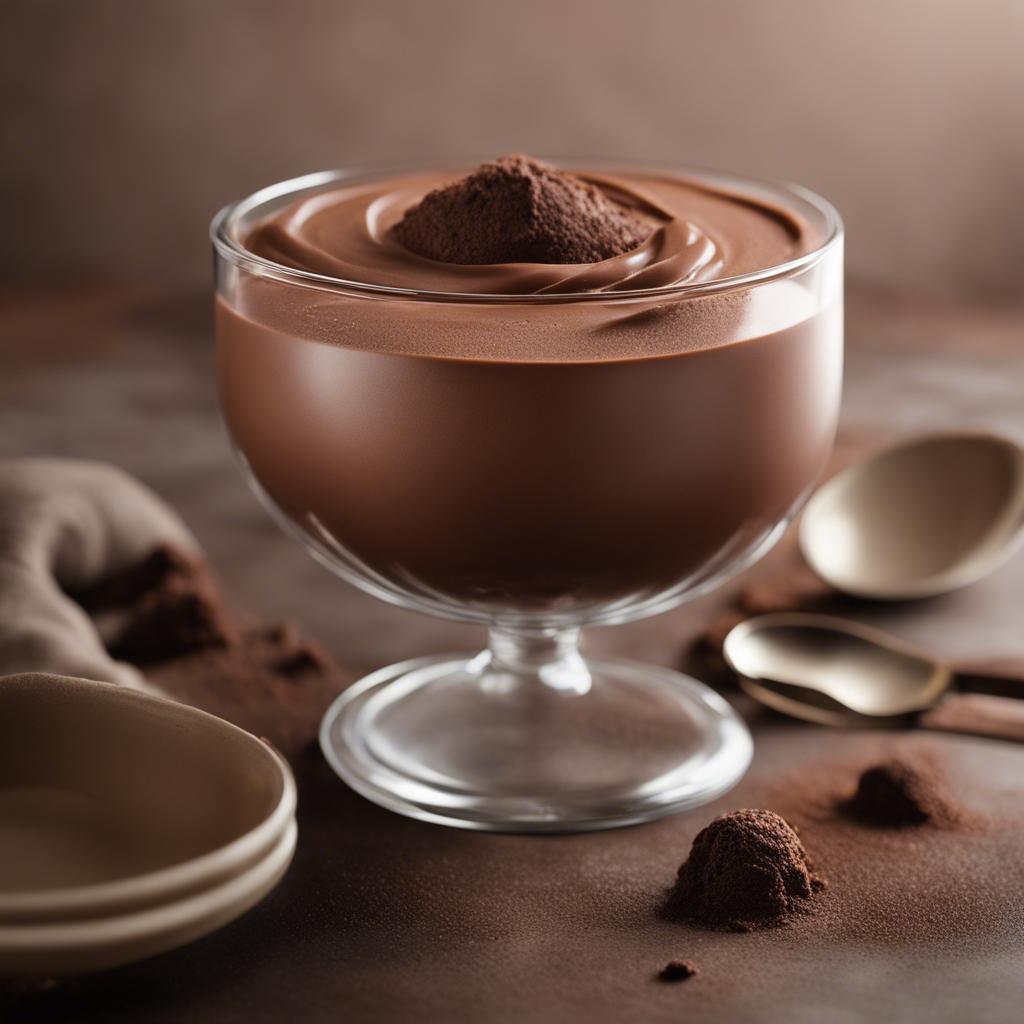

I make Chocolate Ganache so often that it feels less like a recipe and more like a baking reflex. Two ingredients, one bowl, and a little patience turn into a glossy sauce that can drip over cake, fill cookies, or thicken into a spoonable frosting.
The only way I usually mess it up is by rushing. If the cream boils hard or I stir like I am beating eggs, the mixture can look greasy or grainy. Gentle heat and slow stirring make the chocolate look shiny instead of stressed.
I use semi-sweet chocolate most of the time because it lands in the middle: not too sweet, not too bitter. Once you know the texture stages, ganache becomes one of the most useful small recipes in the kitchen.
Why I keep coming back to this
- It uses only chocolate and heavy cream, so quality matters and the method stays simple.
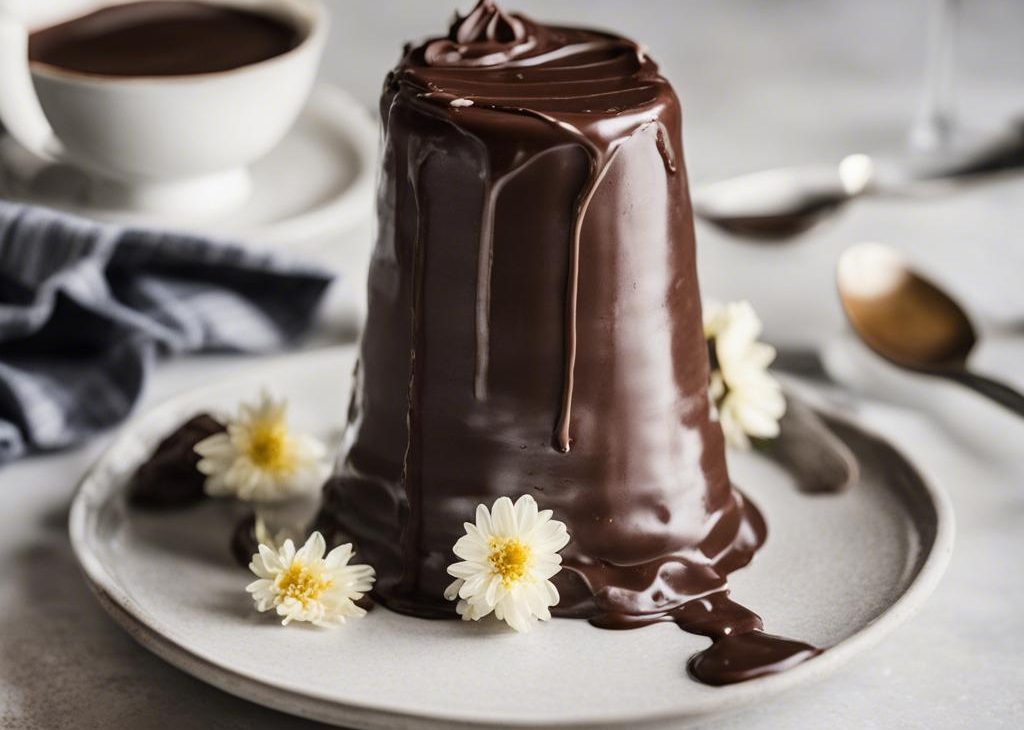
- Warm ganache pours as a glaze for cakes, brownies, and cheesecakes.
- Cooled ganache thickens enough to pipe, scoop, or sandwich between cookies.
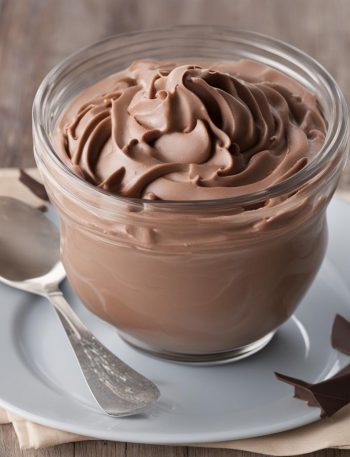
- Whipped ganache turns lighter in color and makes a rich frosting.
- It stores well in the refrigerator and freezer.
- Learning the texture cues saves me from buying separate sauces and fillings.
What you need (and what each one is doing)
- quality semi-sweet chocolate, finely chopped, 2 4-ounce bars (8 ounces total; 226g). I chop or measure it before I start so it melts evenly and does not leave stubborn pieces.
- heavy cream, 1 cup (8 ounces; 240ml). This loosens the batter or frosting just enough. I add it slowly because a tablespoon matters.
How I make it
Step 1 — Chop the chocolate finely
I chop the chocolate into small, even pieces and place it in a heatproof bowl. Big chunks melt slowly and tempt me to microwave the bowl, which is usually when the texture starts going sideways.
Step 2 — Heat the cream gently
I warm the cream over medium heat until it just begins to simmer around the edges. I do not let it come to a rolling boil. A gentle simmer is hot enough to melt chocolate without scorching the dairy.
Step 3 — Pour and combine
I pour the hot cream over the chocolate and leave it alone for 2-3 minutes. That quiet pause softens the chocolate all the way through. Then I stir slowly from the center until the ganache turns dark and glossy.
Step 4 — Whip the cream
Warm ganache is pourable. After about 2 hours at room temperature, it is thicker and spoonable. Once fully cool, I can pipe it or whip it for about 4 minutes until it becomes lighter and fluffier.
Tips from my kitchen
- Use bars, not waxy chips. Chopped bars melt smoother for me.
- Do not boil the cream hard. A gentle simmer protects the texture.
- Stir slowly. Fast whisking can add air and make the finish less glossy.
- Let it thicken at room temperature. The refrigerator is faster, but I stir often so it sets evenly.
Variations I have actually tried
- Dark chocolate: I use bittersweet chocolate for a less sweet glaze.
- Milk chocolate: I reduce the cream slightly because milk chocolate is softer.
- Mocha: I add 1/2 teaspoon espresso powder to the hot cream.
- Orange: I add a strip of orange zest to the cream, then remove it before pouring.
- Salted: I stir in a tiny pinch of fine sea salt after the ganache is smooth.
Storing and making ahead
I cover ganache tightly and refrigerate it for up to 5 days. Once completely cool, it can freeze for up to 3 months. I thaw it in the refrigerator and rewarm gently over a double boiler, stirring constantly until it loosens.
What I serve with it
I pour warm ganache over Bundt cakes, brownies, ice cream, and cheesecakes. When it thickens, I use it between sandwich cookies or scoop small portions for truffles.
When I have a little extra time, I set everything out in order and read the recipe once before I turn on the oven. That sounds fussy, but it keeps me from finding the missing spatula while chocolate is cooling or frosting is softening. With Chocolate Ganache, the small pauses matter: room-temperature ingredients blend cleaner, cooled cakes take frosting better, and cut cookies or pies hold their shape when they are not rushed.
I also pay attention to how the mixture looks, not just what the clock says. A batter can look thicker on a dry day, frosting can soften in a warm kitchen, and chocolate can need one more quiet minute before it turns smooth. I use the times as guardrails, then let my eyes make the final call.
If I am baking for company, I do the least glamorous jobs first: lining pans, clearing a cooling rack, choosing the container for leftovers, and setting out a clean knife. Those little chores make Chocolate Ganache feel calm instead of chaotic once the chocolate is on my hands.
The other habit that helps me is tasting the components separately when it is safe to do so. Frosting can take another pinch of salt, ganache may need a longer rest, and a spiced dough should smell lively before it bakes. I would rather correct the bowl than explain a flat dessert later.
I do not chase picture-perfect results with this recipe. I look for food that cuts cleanly, tastes balanced, and makes people reach for a second small piece. A slightly uneven swirl, a rustic crimp, or a homemade-looking cookie edge does not bother me at all.
Cleanup is easier if I keep a damp towel nearby and wash chocolate bowls before they dry hard. That sounds like a tiny note, but it is the difference between a pleasant baking afternoon and a sink full of stubborn cocoa streaks.
When I write notes on a printed copy, they are usually about texture: thicker after 30 minutes, easier to pipe after chilling, edges set before centers, or needs a sharper knife. Those practical notes are what help me repeat Chocolate Ganache the same way the next time.
I also give myself permission to pause. Chocolate and butter do not care if I answer a message, but they do care if I blast them with heat or frost too soon. A five-minute wait often fixes more than extra stirring ever could.
Frequently asked questions
Can I use chocolate chips?
I can in a pinch, but bars melt smoother. Some chips are made to hold their shape and can leave ganache thicker or less glossy.
Why is my ganache greasy?
The cream may have been too hot or the mixture was stirred too aggressively. I let it cool slightly and stir slowly to bring it back together.
How long until it thickens?
At room temperature, I usually see a spoonable texture around 2 hours. A cool room speeds that up.
Can I whip ganache?
Yes. I wait until it is completely cool and thick, then beat about 4 minutes on medium-high until lighter.
How do I thin it again?
I warm it gently over a double boiler. Direct high heat can make it split.
If you use this ganache, tell me whether it became a drip, a filling, or a frosting.
Chocolate Ganache
Description
Chocolate ganache is the two-ingredient recipe I use as a glaze, filling, dip, or whipped frosting. The trick is gentle heat, finely chopped chocolate, and slow stirring.
Ingredients You’ll Need
Instructions
- Place finely chopped chocolate in a medium heatproof bowl.
- Heat cream in a small saucepan over medium heat until it begins to gently simmer; do not rapidly boil.
- Pour hot cream over chocolate and let sit 2-3 minutes.
- Stir very slowly with a metal spoon or small silicone spatula until combined, smooth, and glossy.
- Use warm as a drizzle, or let sit at room temperature until cool and thick, about 2 hours. Stir occasionally if chilling to speed it up.
- Once completely cool and thick, pipe with a tip, scoop with a spoon, or beat with a mixer fitted with a whisk attachment about 4 minutes for whipped ganache.
- Store covered in the refrigerator up to 5 days or freeze up to 3 months. Rewarm gently over a double boiler to thin.
Nutrition Facts
Servings 1
- Amount Per Serving
- Calories 809kcal
- % Daily Value *
- Total Fat 86g133%
- Saturated Fat 55g275%
- Trans Fat 2.6g
- Cholesterol 269mg90%
- Sodium 90mg4%
- Potassium 226mg7%
- Total Carbohydrate 7g3%
- Sugars 7g
- Protein 7g15%
- Calcium 155 mg
- Iron 0.0 mg
* Percent Daily Values are based on a 2,000 calorie diet. Your daily value may be higher or lower depending on your calorie needs.
Note
Chop fine. Small pieces melt with less heat.
Simmer gently. Do not let the cream rapidly boil.
Wait before stirring. The 2-3 minute rest matters.
Rewarm slowly. Low heat keeps ganache smooth.
Frequently Asked Questions
I can in a pinch, but bars melt smoother. Some chips are made to hold their shape and can leave ganache thicker or less glossy.
The cream may have been too hot or the mixture was stirred too aggressively. I let it cool slightly and stir slowly to bring it back together.
At room temperature, I usually see a spoonable texture around 2 hours. A cool room speeds that up.
Yes. I wait until it is completely cool and thick, then beat about 4 minutes on medium-high until lighter.
I warm it gently over a double boiler. Direct high heat can make it split.
You may also like...