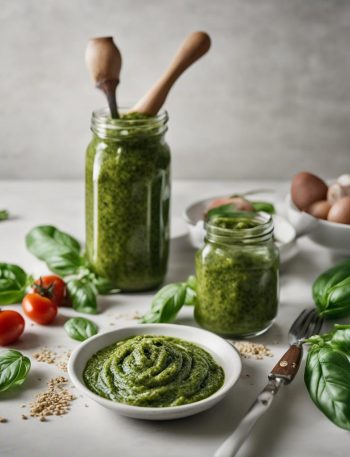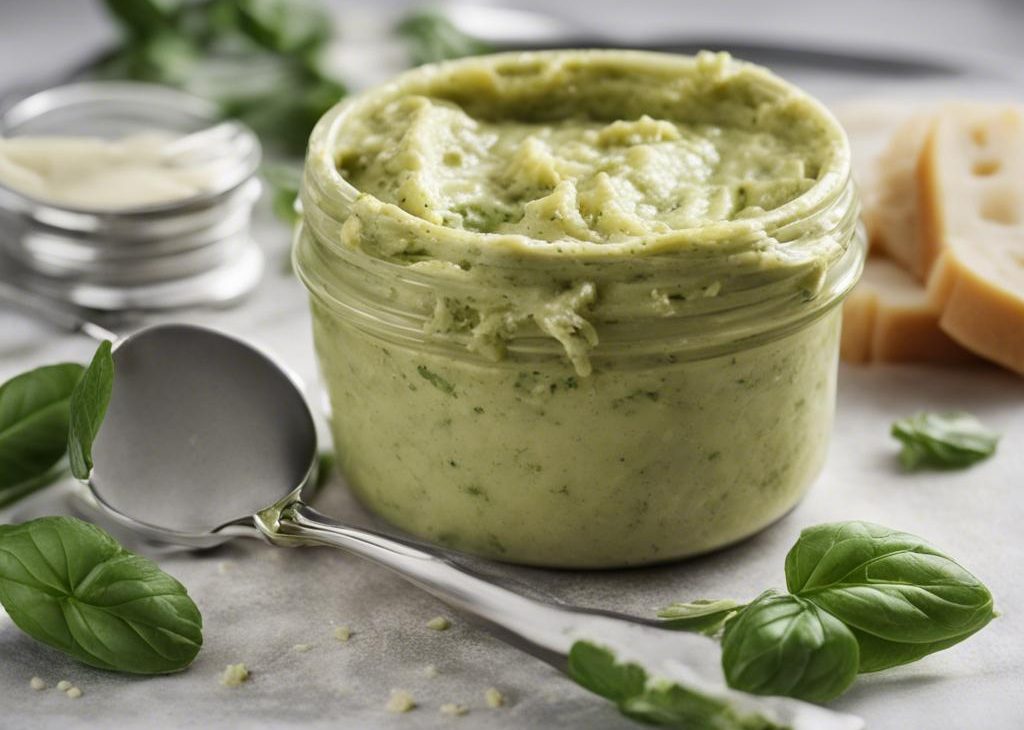

This Costco Basil Pesto Butter is the compound butter I keep around when toast, pasta, or grilled chicken needs help fast. It is rich from 4 sticks of butter, salty from Parmesan, green from basil, and sharp from garlic.
The first time I made pesto butter, I added cold butter to the processor and listened to the machine thump around. Soft butter is not optional here; it needs to dent easily.
I like this recipe because a small pat changes simple food quickly. It melts over vegetables, coats hot pasta, and turns bread under the broiler into garlic-basil toast.
Why I keep coming back to this
- It adds basil, garlic, Parmesan, salt, pepper, and richness in one spoonful.
- The food processor does the hard work in about 2 minutes once the butter is soft.
- It stores more neatly than loose pesto because the butter firms up.
- A small amount makes simple food taste more finished.
- The nuts give body and a little texture when the butter melts.
- It works on bread, pasta, fish, chicken, potatoes, corn, and roasted vegetables.
I also like knowing where a recipe can go sideways before I start. With this one, I slow down at the spots that affect texture: heat level, mixing, moisture, or chilling. That sounds fussy, but it is really just the difference between a result I want to repeat and one I only tolerate because the ingredients were already used.
What you need (and what each one is doing)
- 4 sticks softened unsalted butter. I use it for richness and body, and I make sure it is the texture the method needs before I start.
- 1 cup grated Parmesan cheese. It brings the main savory flavor, so I add it carefully and taste before adding much extra salt.
- 2 peeled and chopped garlic cloves.
- 3 cups packed fresh basil leaves.
- 1/2 cup chopped nuts, such as pecans or walnuts. It adds crunch and a toasted note that I miss when I leave it out.
- 1/2 teaspoon freshly ground black pepper.
- 1/2 teaspoon kosher salt.
I soften the butter fully and dry the basil before the processor starts. Pesto butter is mostly about texture, and those two steps keep it spreadable instead of streaky.
How I make it
Step 1 — Soften the butter
I set out the 4 sticks of butter until they dent easily. If I am short on time, I cut them into pieces, but I do not melt them.
Step 2 — Blend the butter
I add the softened butter to the food processor and blend until it looks creamy. This gives the basil and Parmesan a smooth base.
Step 3 — Blend until smooth
I add Parmesan, garlic, basil, nuts, black pepper, and kosher salt, then blend on medium speed for about 2 minutes, stopping to scrape the sides.
Step 4 — Taste and adjust
I taste a tiny bit on bread or a cracker. If it needs more salt, I add a pinch, then pulse until the butter is evenly green.
Step 5 — Chill and use
I transfer the pesto butter to an airtight container and refrigerate it. The listed cook time is 60 minutes, and I use that as chilling time so the butter firms.
At the end, I look for butter that is evenly green and soft enough to spoon. If basil clings to the bowl, I scrape and pulse again.
Tips from my kitchen
- Start with soft butter. Cold butter leaves streaks and makes the processor work too hard.
- Pack the basil dry. Wet basil can make the butter look separated.
- Scrape the bowl. Basil and Parmesan collect under the blade and along the sides.
- Taste with bread. Straight butter tastes saltier than it will on food.
- Portion before chilling. Soft compound butter is easier to divide.
Variations I have actually tried
- Walnut version: I use walnuts for a stronger pesto note.
- Pecan version: I use pecans for a rounder, sweeter nut flavor.
- Lemon basil butter: I add a little lemon zest for fish or vegetables.
- Spicy pesto butter: I add a pinch of red pepper flakes before blending.
- Garlic toast butter: I add one extra chopped garlic clove when the butter is meant for bread.
I keep variations small the first time I test them. One swap tells me something useful; five swaps at once just leave me guessing. After I know the base recipe, I am much more relaxed about changing the heat, nuts, herbs, fruit, or serving style.
Storing and reheating
I keep pesto butter in an airtight container in the refrigerator for up to 5 days, matching the source guidance. The top can darken, so I press parchment directly against the surface if I care about color.
For longer storage, I portion it into spoonfuls or roll it into a log, wrap tightly, and freeze. Frozen portions can go straight onto hot vegetables or thaw in the fridge overnight.
What I serve with it
I spread it on toast, toss it with hot pasta, melt it over grilled chicken, brush it on corn, or add a pat to roasted potatoes. It is also good under chicken skin before roasting, but I use a light hand.
Frequently asked questions
Can I use salted butter?
Yes, but I reduce or skip the 1/2 teaspoon kosher salt until I taste the blended butter. Parmesan is salty too.
Can I make this without nuts?
Yes. The butter will be smoother and a little less pesto-like, but it still tastes good with basil, garlic, and Parmesan.
Can I use dried basil?
I do not like dried basil as the main herb here. It lacks the fresh green flavor and can make the butter taste dusty.
Is this gluten-free?
The butter itself is naturally gluten-free if the Parmesan and seasonings are safe. I check labels and serve it with gluten-free bread or vegetables when needed.
Why did my butter separate?
The butter may have been partly melted or the basil may have been wet. Start with soft, not liquid, butter and dry the leaves well.
When I make it again, I jot down which nut I used and how salty the Parmesan tasted. Those details tell me whether to hold back on kosher salt next time.
If you make this Costco Basil Pesto Butter, tell me what you melted it on first.
Costco Basil Pesto Butter
Description
A rich Costco basil pesto butter made with softened unsalted butter, Parmesan, garlic, basil, nuts, salt, and pepper. I blend it until spreadable, chill it, then use it on bread, pasta, vegetables, and chicken.
Ingredients You’ll Need
Instructions
- I set out the 4 sticks of butter until they dent easily. If I am short on time, I cut them into pieces, but I do not melt them.
- I add the softened butter to the food processor and blend until it looks creamy. This gives the basil and Parmesan a smooth base.
- I add Parmesan, garlic, basil, nuts, black pepper, and kosher salt, then blend on medium speed for about 2 minutes, stopping to scrape the sides.
- I taste a tiny bit on bread or a cracker. If it needs more salt, I add a pinch, then pulse until the butter is evenly green.
- I transfer the pesto butter to an airtight container and refrigerate it. The listed cook time is 60 minutes, and I use that as chilling time so the butter firms.
Nutrition Facts
- Iron 0.0 mg
* Percent Daily Values are based on a 2,000 calorie diet. Your daily value may be higher or lower depending on your calorie needs.
Note
Use soft butter. Cold butter will not blend evenly; melted butter can separate.
Dry the basil. Wet leaves can make the butter look broken.
Scrape the bowl. Parmesan and herbs hide under the blade.
Portion before chilling. Soft compound butter is easier to divide.
Frequently Asked Questions
Yes, but I reduce or skip the 1/2 teaspoon kosher salt until I taste the blended butter. Parmesan is salty too.
Yes. The butter will be smoother and a little less pesto-like, but it still tastes good with basil, garlic, and Parmesan.
I do not like dried basil as the main herb here. It lacks the fresh green flavor and can make the butter taste dusty.
The butter itself is naturally gluten-free if the Parmesan and seasonings are safe. I check labels and serve it with gluten-free bread or vegetables when needed.
The butter may have been partly melted or the basil may have been wet. Start with soft, not liquid, butter and dry the leaves well.
You may also like...