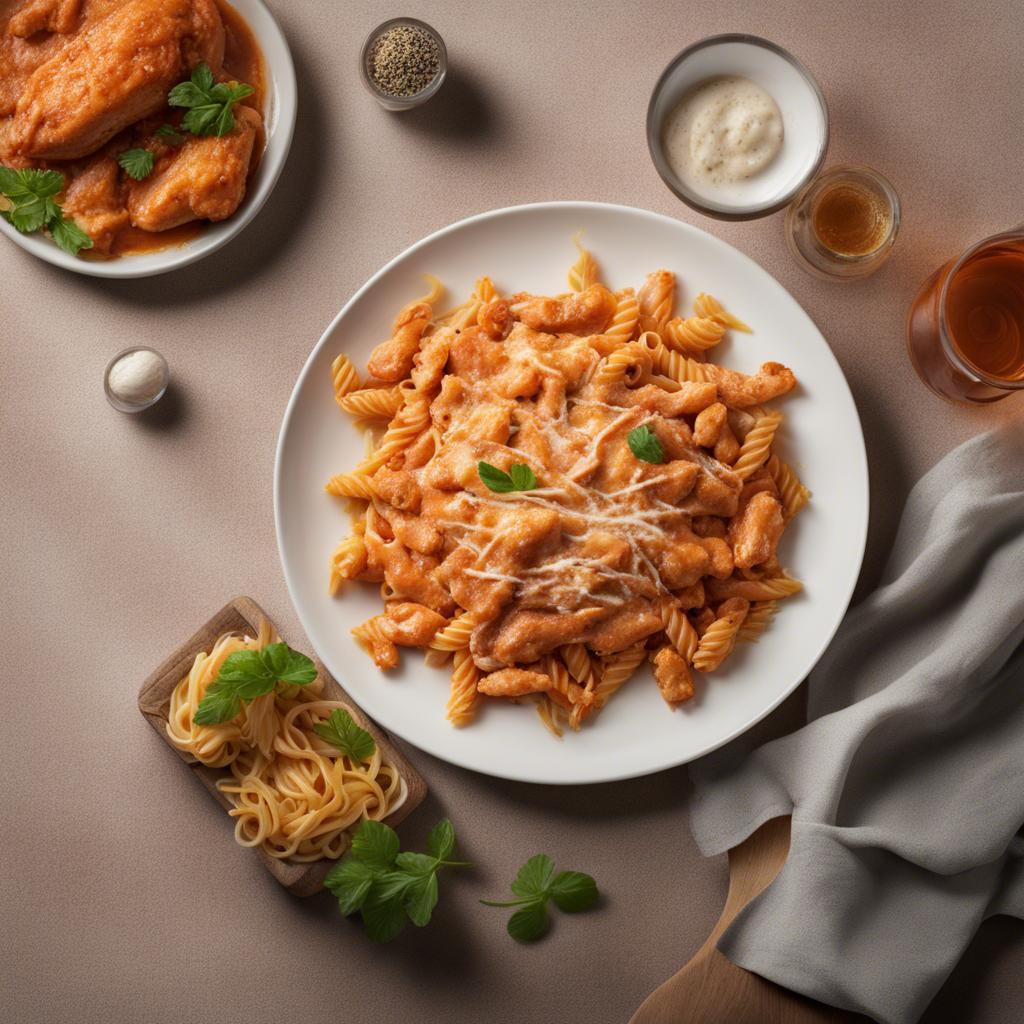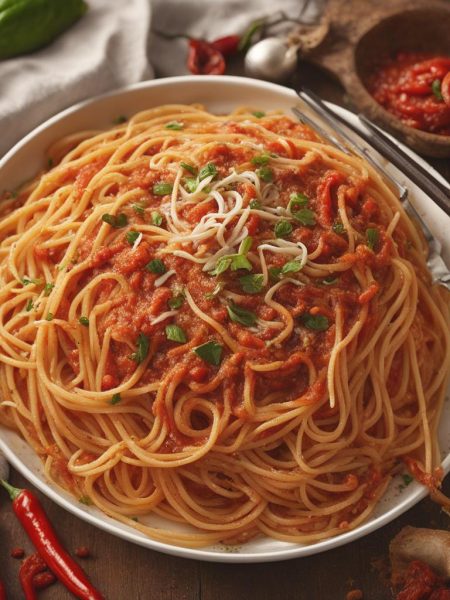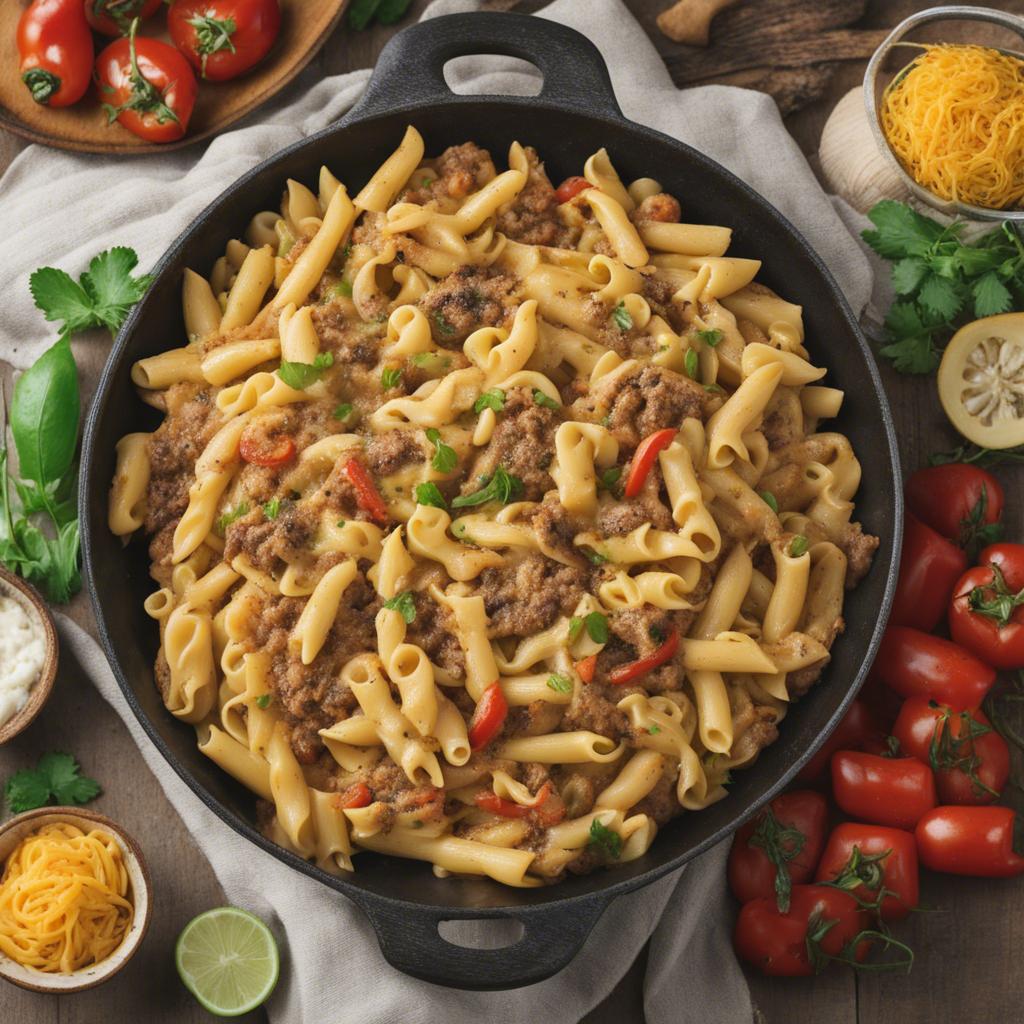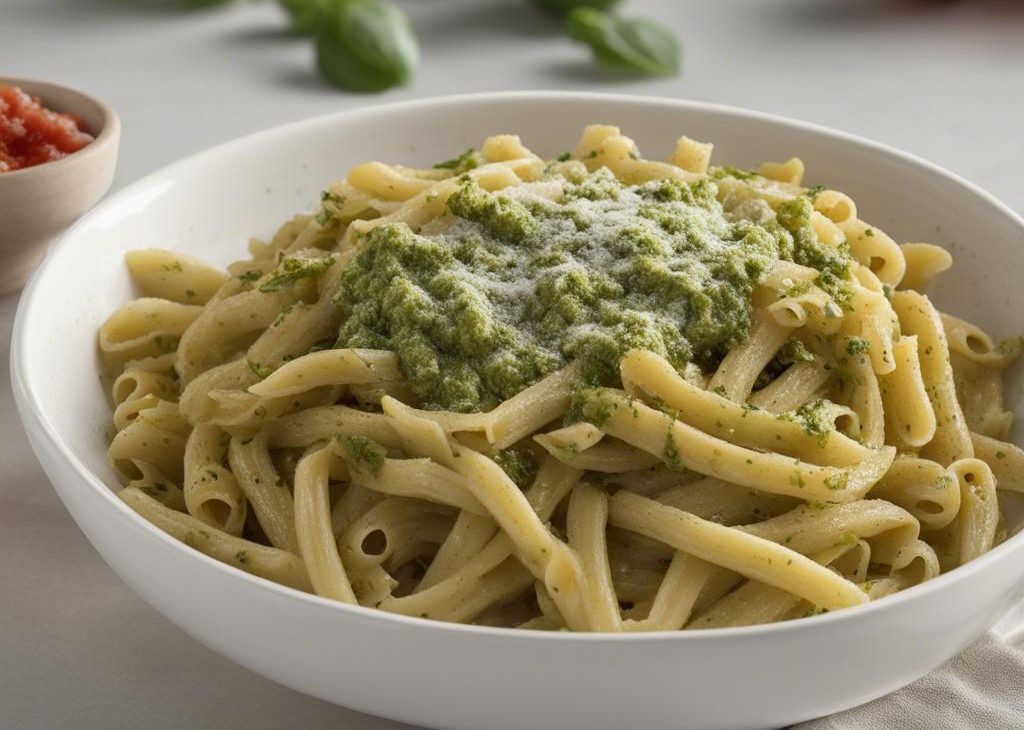

Costco Pesto Pasta is my quick dinner when I have a jar of pesto and enough energy to boil water. The sauce is basil pesto loosened with a little heavy cream, then tossed with penne, cherry tomatoes, and Parmesan.
I keep the heat low for the pesto. High heat can make basil taste dull and oily, so I warm the sauce gently while the pasta drains. It takes an extra minute of patience, but the color and flavor stay better.
The cherry tomatoes matter more than they look like they should. Their juicy pop cuts through the cream and pesto, which keeps the bowl from feeling too rich.
Before I start Costco Pesto Pasta, I take a minute to think about what the recipe is really asking for. Some of these Costco-style recipes are more about careful heating, chilling, or assembly than complicated cooking.
Why I keep coming back to this
- It uses a short list of grocery staples.
- The sauce comes together while the pasta cooks.
- Heavy cream makes the pesto coat the penne evenly.
- Cherry tomatoes keep the bowl bright.
- Parmesan adds enough salt that I can season lightly.
- It works warm or at room temperature.
What I use and why it matters
- 1/4 cup heavy cream. Cream softens the pesto and helps it cling to the penne.
- 1/2 cup basil pesto. Pesto is the main sauce, bringing basil, garlic, oil, and nuts in one spoonful.
- 1/2 pound penne pasta. Penne catches the creamy pesto inside the tubes.
- salt and pepper. I season at the end because pesto and Parmesan can already be salty. to taste
- 1/2 pint cherry tomatoes. Tomatoes add fresh acidity against the creamy sauce. halved
- 1/4 cup finely grated Parmesan cheese. Parmesan finishes the pasta with sharp, salty flavor.
I do not treat the ingredient list as a place to casually rewrite the recipe. The quantities are here for a reason, even when the original source was a little awkwardly parsed. When I want a different result, I change the handling first: I cut pieces smaller, drain something better, warm a sauce more gently, or give the food a few extra minutes to settle before I change the amount of an ingredient.
How I make it
Step 1 — Cook the penne
I bring a pot of salted water to a boil and cook the 1/2 pound penne until al dente according to the package. Before draining, I save a splash of pasta water in case the sauce needs loosening.
Step 2 — Warm the pesto gently
In a medium saucepan, I warm the basil pesto over low heat. I stir in the heavy cream and keep the sauce just warm, not bubbling hard.
Step 3 — Season the sauce
I taste the pesto cream and add salt and pepper only if it needs it. Some pesto is salty, especially once Parmesan joins the bowl, so I do not season by habit.
Step 4 — Toss pasta and tomatoes
I return the drained pasta to its pot and pour the warm pesto sauce over it. Then I add halved cherry tomatoes and fold until every piece is coated. If it looks tight, I add a spoonful of pasta water.
Step 5 — Finish with Parmesan
I transfer the pasta to a serving bowl and top it with finely grated Parmesan. I serve it warm, but I do not mind it at room temperature for lunch.
Timing and texture cues I watch
The times in this Costco Pesto Pasta method are the frame, but I still pay attention while I cook. I look for the cue that matches the food: fruit should look glossy but not bruised, sauce should thicken enough to coat a spoon, chicken should reach its safe temperature, pasta should stay al dente, and baked desserts should set before I slice them. That habit keeps me from overcorrecting a simple recipe.
I also set up the serving pieces before the final step whenever I can. A hot skillet dish loses its best texture if it waits around, while a chilled salad or pie needs enough cold time to taste settled. Having the plates, bowl, knife, sauce, or side dish ready makes the last few minutes calmer, and the food gets to the table the way I intended.
Tips from my kitchen
- Keep pesto on low heat. Boiling pesto can make it taste tired.
- Save pasta water. A splash fixes sauce that gets too thick.
- Halve the tomatoes. Whole cherry tomatoes roll away and do not share their juice.
- Salt after tasting. Pesto and Parmesan vary a lot.
Mistakes I avoid
- Changing the quantities too soon. I make the recipe once close to the listed amounts before deciding what needs adjusting.
- Crowding the pan or bowl. When food needs browning, folding, or chilling, extra space usually gives me a better texture.
- Skipping the final check. I taste sauces, check the center of hot dishes, and look for set edges on desserts before I call anything done.
- Serving without a pause. A short rest, chill, or gentle toss often fixes texture in a way more seasoning cannot.
The other mistake I try to avoid is making the dish harder than it needs to be. If the recipe is a shortcut, I let it be a shortcut and focus on the details that matter most: even pieces, clean heat, enough salt, a dry surface when browning is the goal, and a serving plan that keeps the texture from fading before anyone eats. I would rather do a simple thing carefully than add noise that does not improve the plate.
Variations I have actually tried
- Chicken version: I add sliced grilled chicken for a bigger dinner.
- Spinach version: I fold in baby spinach with the hot pasta so it wilts slightly.
- Less creamy: I use a splash of pasta water instead of some of the cream.
- Extra tomato: I blister the cherry tomatoes in a skillet first.
- Gluten-free: I use gluten-free penne and keep the sauce the same.
When I make a variation, I keep the main method steady. I swap one flavor at a time, then pay attention to whether the texture changes. That keeps the recipe dependable, and it also tells me which change actually helped instead of turning dinner into a guessing game.
Storing and make-ahead notes
I refrigerate leftovers in a covered container. The sauce thickens, so I reheat with a splash of water, milk, or cream. I use gentle heat and stir often because pesto can separate if blasted too hard.
What I serve with it
I serve this with a green salad, roasted vegetables, garlic bread, or simple chicken. The pasta is rich enough that I like something crisp on the side.
Frequently asked questions
Can I use another pasta shape?
Yes. Fusilli, rotini, or farfalle work well because they hold sauce. Long noodles work too, but penne is easiest for this creamy pesto.
Can I make it gluten-free?
Yes. I use gluten-free pasta and check the pesto label. The sauce does not need flour.
Why did my sauce separate?
The heat was probably too high. I warm pesto and cream gently and loosen with pasta water instead of boiling it.
Can I serve it cold?
Yes, but I prefer room temperature. If serving cold, I add a small splash of olive oil or lemon juice to wake it up.
Is it safe for kids?
Yes, as long as the ingredients fit their allergies. I check pesto for nuts and dairy before serving it to guests or children with restrictions.
If you add a protein to this pasta, tell me what made it into the bowl.
Costco Pesto Pasta
Description
A creamy Costco pesto pasta with penne, basil pesto, heavy cream, cherry tomatoes, Parmesan, salt, and pepper. I cook the pasta al dente, warm the sauce gently, and toss everything together.
Ingredients You’ll Need
Instructions
- Bring a pot of salted water to a boil and cook the penne pasta until al dente according to the package directions.
- Drain the pasta, reserving a splash of pasta water if desired.
- Warm the basil pesto over low heat in a medium saucepan, then stir in the heavy cream.
- Taste the sauce and season with salt and pepper if needed.
- Return the pasta to the pot, add the pesto sauce and halved cherry tomatoes, and toss until coated.
- Transfer to a serving bowl and top with finely grated Parmesan cheese.
Note
Warm pesto gently so it keeps its color.
Save pasta water in case the sauce tightens.
Taste before adding salt.
Halved cherry tomatoes balance the creamy sauce.
Frequently Asked Questions
Yes. Fusilli, rotini, or farfalle work well because they hold sauce. Long noodles work too, but penne is easiest for this creamy pesto.
Yes. I use gluten-free pasta and check the pesto label. The sauce does not need flour.
The heat was probably too high. I warm pesto and cream gently and loosen with pasta water instead of boiling it.
Yes, but I prefer room temperature. If serving cold, I add a small splash of olive oil or lemon juice to wake it up.
Yes, as long as the ingredients fit their allergies. I check pesto for nuts and dairy before serving it to guests or children with restrictions.