
Costco Pizza Dough is the kind of recipe I make when takeout sounds easy but I still want the smell of crust baking at home. This dough uses 2 packets of yeast, 2 teaspoons sugar, 2 cups warm water, 4 tablespoons olive oil, 2 teaspoons salt, and 5 cups flour.
I like that the source dough rises for 1-2 hours and then divides into two equal parts. That gives me one thicker family pizza or two thinner crusts, depending on how I roll it.
The bake is at 375°F for 15-20 minutes after topping.
Before I start Costco Pizza Dough, I take a minute to think about what the recipe is really asking for. Some of these Costco-style recipes are more about careful heating, chilling, or assembly than complicated cooking.
Why I keep coming back to this
- The dough uses basic pantry ingredients.
- Two packets of yeast make the rise reliable.
- Olive oil keeps the crust tender rather than tough.
- The 1-2 hour rise gives flavor without an overnight schedule.
- Dividing the dough in two makes it easy to customize toppings.
- The 375°F bake is gentle enough for loaded homemade pizzas.
What I use and why it matters
- 2 packets yeast. Yeast gives the dough lift and flavor during the rise.
- 4 tablespoons olive oil. Olive oil softens the dough and helps the crust brown.
- 5 cups flour. Flour forms the structure of the crust.
- 2 teaspoons sugar. Sugar helps wake up the yeast and supports browning.
- 2 teaspoons salt. Salt gives the dough flavor; without it, pizza crust tastes flat.
- 2 cups warm water. Warm water activates the yeast and hydrates the flour.
I do not treat the ingredient list as a place to casually rewrite the recipe. The quantities are here for a reason, even when the original source was a little awkwardly parsed. When I want a different result, I change the handling first: I cut pieces smaller, drain something better, warm a sauce more gently, or give the food a few extra minutes to settle before I change the amount of an ingredient.
How I make it
Step 1 — Proof the yeast
I combine the yeast, sugar, and warm water in a large bowl and let it stand for 5 minutes, until foamy. If it does not foam, I stop and start over because inactive yeast will not fix itself later.
Step 2 — Mix the dough
I stir in the olive oil, salt, and 4 cups of the flour until a sticky dough forms. I hold back the last cup of flour at first because dough can need slightly different amounts depending on the kitchen.
Step 3 — Knead the dough
I knead the dough for 8-10 minutes, adding enough of the remaining flour to make it soft and elastic. It should still feel alive and slightly tacky, not dry like modeling clay.
Step 4 — Let it rise
I place the dough in a greased bowl, cover it with a damp towel, and let it rise in a warm spot for 1-2 hours, until doubled. Then I punch it down and knead it briefly again.
Step 5 — Shape and bake
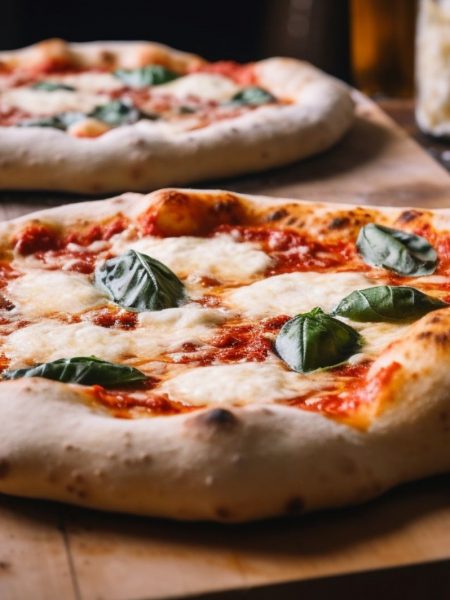
I divide the dough into two equal parts, roll each one on a lightly floured surface, add toppings, and bake at 375°F for 15-20 minutes, until the crust is golden brown.
Timing and texture cues I watch
The times in this Costco Pizza Dough method are the frame, but I still pay attention while I cook. I look for the cue that matches the food: fruit should look glossy but not bruised, sauce should thicken enough to coat a spoon, chicken should reach its safe temperature, pasta should stay al dente, and baked desserts should set before I slice them. That habit keeps me from overcorrecting a simple recipe.
I also set up the serving pieces before the final step whenever I can. A hot skillet dish loses its best texture if it waits around, while a chilled salad or pie needs enough cold time to taste settled. Having the plates, bowl, knife, sauce, or side dish ready makes the last few minutes calmer, and the food gets to the table the way I intended.
Tips from my kitchen
- Check the foam. Foamy yeast after 5 minutes tells me the dough has a chance.
- Add flour gradually. I start with 4 cups and use the fifth as needed.
- Knead until elastic. Eight to ten minutes builds the chew I want.
- Do not rush the rise. The dough should double, not just sit for a set time.
Mistakes I avoid
- Changing the quantities too soon. I make the recipe once close to the listed amounts before deciding what needs adjusting.
- Crowding the pan or bowl. When food needs browning, folding, or chilling, extra space usually gives me a better texture.
- Skipping the final check. I taste sauces, check the center of hot dishes, and look for set edges on desserts before I call anything done.
- Serving without a pause. A short rest, chill, or gentle toss often fixes texture in a way more seasoning cannot.
The other mistake I try to avoid is making the dish harder than it needs to be. If the recipe is a shortcut, I let it be a shortcut and focus on the details that matter most: even pieces, clean heat, enough salt, a dry surface when browning is the goal, and a serving plan that keeps the texture from fading before anyone eats. I would rather do a simple thing carefully than add noise that does not improve the plate.
Variations I have actually tried
- Thin crust: I roll the two dough portions thinner and keep toppings light.
- Garlic crust: I brush the edge with garlic oil before baking.
- Herb dough: I add dried oregano or Italian seasoning with the flour.
- Whole wheat blend: I replace part of the flour with whole wheat flour.
- Calzone night: I divide the dough smaller, fill, fold, and bake until golden.
When I make a variation, I keep the main method steady. I swap one flavor at a time, then pay attention to whether the texture changes. That keeps the recipe dependable, and it also tells me which change actually helped instead of turning dinner into a guessing game.
Storing and make-ahead notes
I refrigerate risen dough in an oiled covered container if I am not baking right away. I let cold dough sit at room temperature before shaping so it relaxes. Baked leftover pizza reheats best in a skillet or oven, not the microwave.
What I serve with it
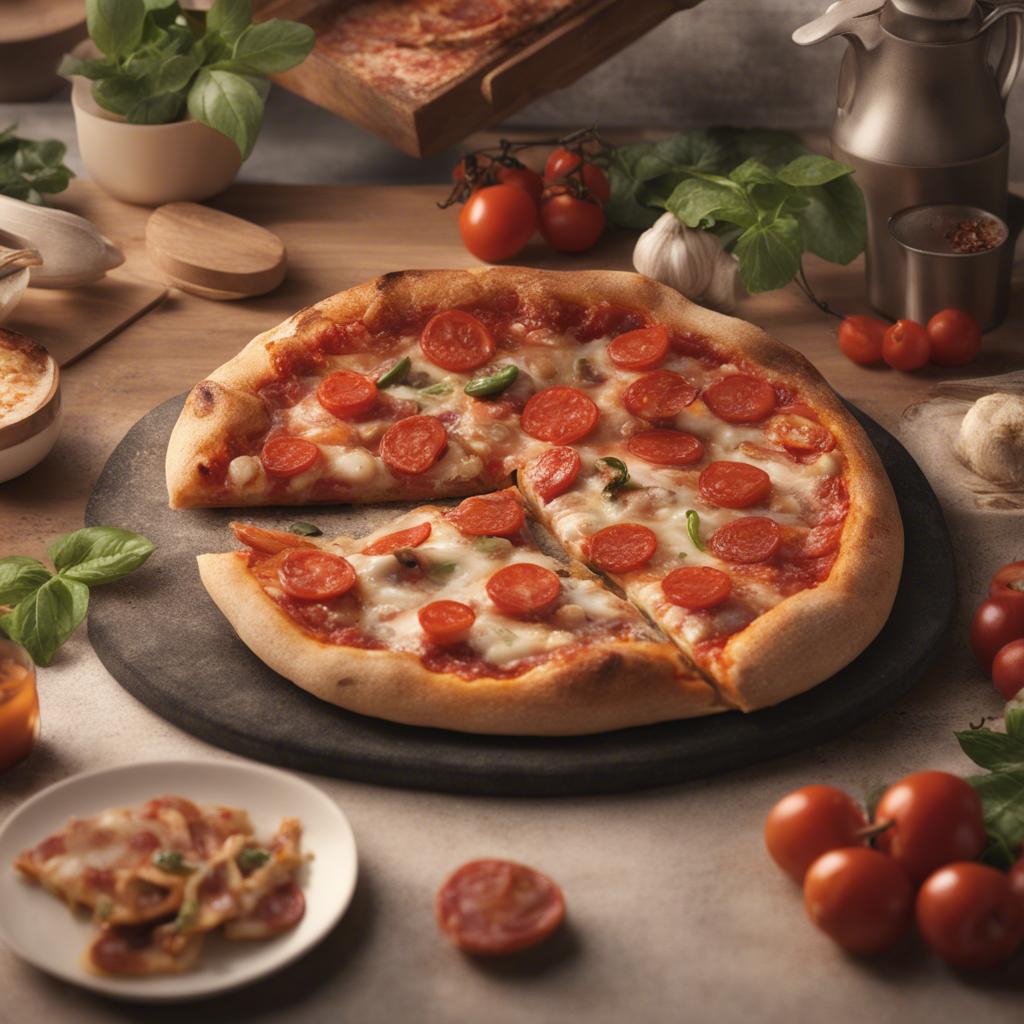
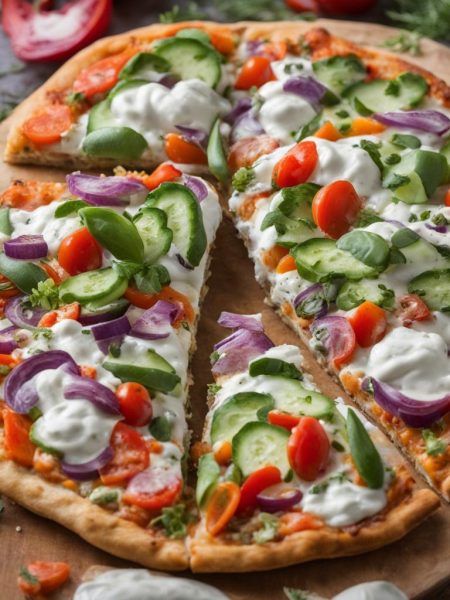
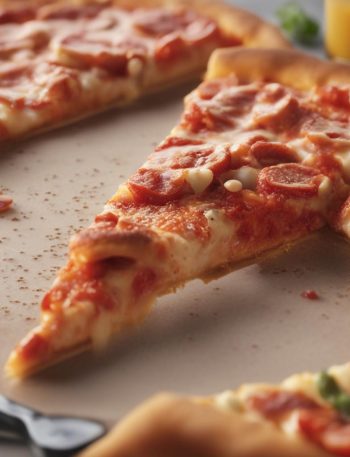
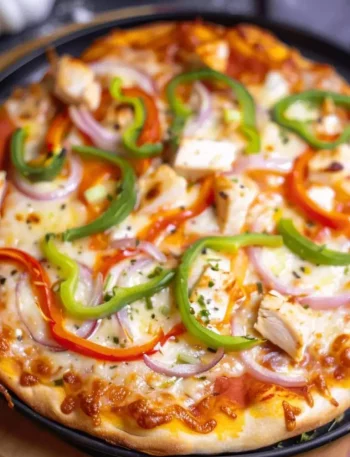
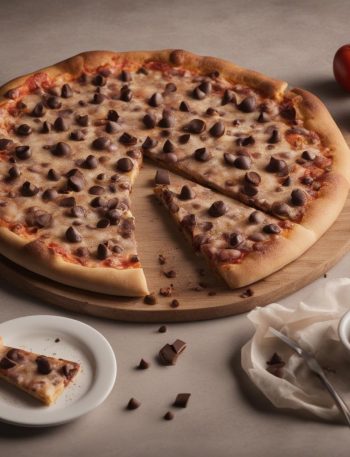
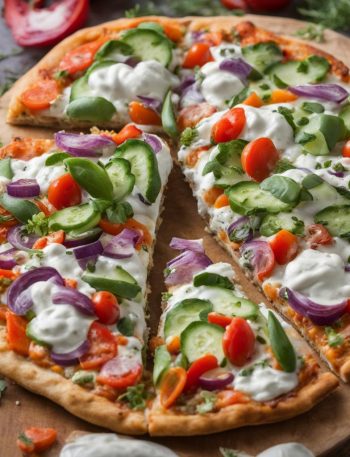
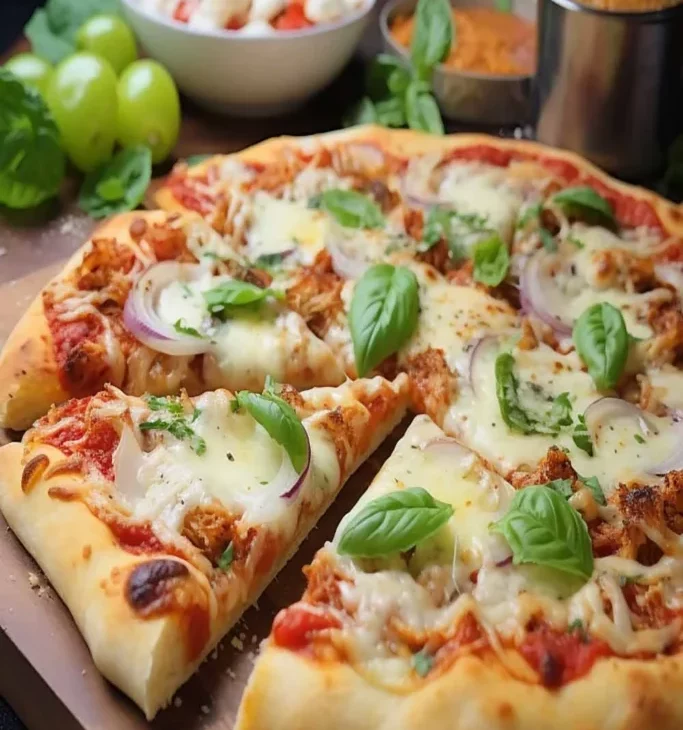
I top this with pizza sauce, mozzarella, pepperoni, vegetables, pesto, or whatever needs using. A salad on the side keeps pizza night from feeling too heavy.
Frequently asked questions
How do I know the dough is ready?
After kneading, it should feel soft and elastic. After rising, it should be doubled and puffy. If I poke it lightly, it should spring back slowly.
What if my dough is too sticky?
I add more flour a little at a time during kneading. I avoid dumping in too much at once because dry dough makes a tough crust.
Can I make it gluten-free?
Not by swapping flour cup for cup in this recipe. Gluten-free pizza dough behaves differently, so I use a dedicated gluten-free formula.
Can I freeze the dough?
Yes. I freeze portions after the first rise, wrapped well. I thaw overnight in the refrigerator and bring to room temperature before shaping.
Why did my yeast not foam?
The yeast may be old or the water may have been too hot or too cool. I start over because unfoamed yeast usually means flat dough.
If you divide the dough for two pizzas, tell me what toppings won on each half.
Costco Pizza Dough
Description
A homemade Costco-style pizza dough with yeast, sugar, warm water, olive oil, salt, and flour. I let the dough rise for 1-2 hours, divide it in two, top it, and bake at 375°F.
Ingredients You’ll Need
Instructions
- In a large bowl, combine the yeast, sugar, and warm water. Let stand for 5 minutes, or until foamy.
- Stir in the olive oil, salt, and 4 cups of flour until a sticky dough forms.
- Knead by hand for 8-10 minutes, adding enough remaining flour to make the dough soft and elastic.
- Place the dough in a greased bowl, cover with a damp towel, and let rise in a warm spot for 1-2 hours.
- Once doubled, punch down the dough and knead it briefly again.
- Divide the dough into two equal parts.
- Roll out on a lightly floured surface to the desired thickness.
- Add toppings and bake at 375°F for 15-20 minutes, until golden brown.
Nutrition Facts
Servings 12
- Amount Per Serving
- Calories 231kcal
- % Daily Value *
- Total Fat 5g8%
- Saturated Fat 1g5%
- Trans Fat 0.0g
- Sodium 320mg14%
- Potassium 56mg2%
- Total Carbohydrate 40g14%
- Dietary Fiber 1g4%
- Sugars 1g
- Protein 5g10%
- Calcium 8 mg
- Iron 2.4 mg
* Percent Daily Values are based on a 2,000 calorie diet. Your daily value may be higher or lower depending on your calorie needs.
Note
Foamy yeast after 5 minutes means it is active.
Start with 4 cups flour and add the fifth as needed.
Let the dough double during the 1-2 hour rise.
Bake topped pizza at 375°F for 15-20 minutes.
Frequently Asked Questions
After kneading, it should feel soft and elastic. After rising, it should be doubled and puffy. If I poke it lightly, it should spring back slowly.
I add more flour a little at a time during kneading. I avoid dumping in too much at once because dry dough makes a tough crust.
Not by swapping flour cup for cup in this recipe. Gluten-free pizza dough behaves differently, so I use a dedicated gluten-free formula.
Yes. I freeze portions after the first rise, wrapped well. I thaw overnight in the refrigerator and bring to room temperature before shaping.
The yeast may be old or the water may have been too hot or too cool. I start over because unfoamed yeast usually means flat dough.
You may also like...