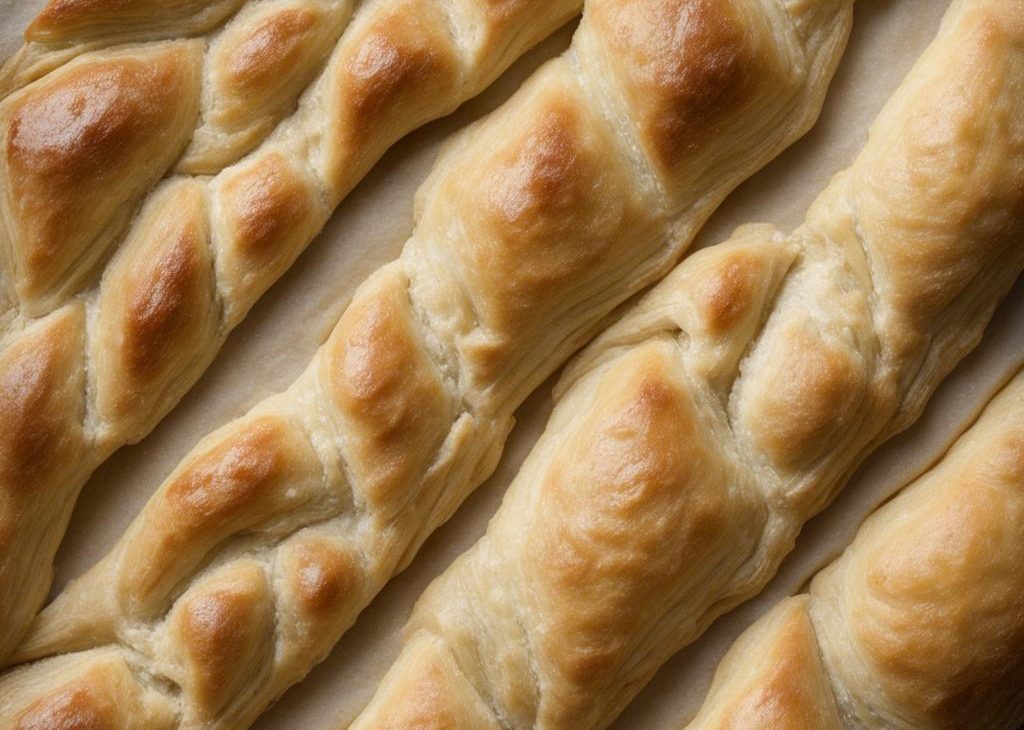

I make Handmade Puff Pastry when I want something specific enough to feel worth the effort but still realistic for a normal kitchen day. The first thing I pay attention to is all-purpose flour, because the recipe behaves better when that part is measured before I start moving quickly.
This is not the kind of recipe I like to rush. I read through the steps once, set out the bowl or pan I need, and keep a towel nearby because there is always one sticky spoon or drippy measuring cup. That tiny bit of order makes Handmade Puff Pastry feel like cooking instead of chasing.
The goal is a batch that tastes like someone stood at the counter and paid attention.
Why I keep coming back to this
- It gives me a dependable pastry without a long list of fussy moves.
- The ingredients are easy to set out and check off as I go.
- The timing is flexible enough for a home kitchen, but not so loose that I have to guess.
- I can taste and adjust the safe parts before serving.
- Leftovers hold well when I store them the right way.
- It is easy to change one or two details without losing the point of the recipe.
What you need (and what each one is doing)
- 1 1/3 cups all-purpose flour (166g). I use it for structure, and I stop mixing as soon as it disappears so the crumb stays tender.
- 1 teaspoon granulated sugar. It sweetens, but it also helps the texture brown and set instead of tasting flat.
- 1/2 teaspoon salt. I do not skip it because a small amount makes the other flavors clearer.
- 3/4 cup unsalted butter, very cold and cubed (1.5 sticks; 170g). This is the fat that keeps the bite rich and soft; I measure it rather than guessing.
- 6-8 Tablespoons ice cold water (90-120ml).
How I make it
Step 1 — Whisk the dry ingredients
I whisk the flour, sugar, and salt in a large bowl, then toss in the very cold butter cubes without breaking them down too much.
Step 2 — Add the remaining ingredients
I add ice water 1 tablespoon at a time, tossing with your hands, until the dough gathers into one shaggy clump with visible butter pieces.
Step 3 — Fold together
I pat the dough into a 5×8-inch rectangle, fold it in thirds like a letter, wrap tightly, and refrigerate at least 2 hours.
Step 4 — Roll out the dough
I roll the chilled dough into a 6×12-inch rectangle, fold it in thirds, turn, and repeat the rolling and folding process as directed until the layers look tidy.
Step 5 — Chill
I wrap and chill at least 15 minutes before using. To bake plain, roll to 10×16 inches, brush with egg wash, and bake at 400°F (204°C) for 25-28 minutes.
Small details I watch
With Handmade Puff Pastry, I pay attention to texture before I worry about making it look neat. A batter can be slightly lumpy, a sauce can need one more whisk, and a filling can look a little loose before it rests. Those small signs tell me more than the clock alone.
I also keep the serving dish or cooling rack ready before the final step. I have learned that looking for a plate while something is hot is how edges break, toppings slide, or sauce lands on the counter.
Tips from my kitchen
- Set everything out first. I cook more calmly when the ingredients are measured before heat gets involved.
- Use the visual cues. I keep the written time, but I also look for browning, thickness, and aroma.
- Taste where it is safe. Sauces, fillings, and dressings get adjusted before serving.
- Do not rush the rest. A short cooling time keeps slices, scoops, or pieces from falling apart.
Variations I have actually tried
- Nut-free: I leave out nuts and use seeds when the recipe can handle it.
- Brighter: I add citrus zest or a little extra vanilla.
- More spice: I increase warm spices by a small pinch.
- Smaller portions: I shape or cut the recipe smaller and watch the cooking time.
- Make-ahead: I prep the base the day before and finish it fresh.
Storing and reheating
I cover leftovers tightly and refrigerate them once they cool. If the texture matters, I separate crisp pieces from creamy fillings and put them together only when I am ready to serve.
What I serve with it
I keep the sides simple with Handmade Puff Pastry: fresh fruit, a green salad, crisp vegetables, or something salty for contrast.
How I make it feel cooked, not copied
I give Handmade Puff Pastry one last common-sense check before I call it done. If it is a baked recipe, I look at the edges and the center separately. If it is a sauce, drink, salad, or sandwich, I taste the base and then the finished bite. That small check catches the things a recipe card cannot see from my counter.
I also pay attention to temperature. Hot food tastes flatter when it is screaming hot, and cold food tastes dull if it has not had time to chill. A few minutes of patience usually gives me a better read on salt, sweetness, texture, and whether the serving dish needs a little garnish or a cleaner edge.
When I make a recipe from a short ingredient list, I try not to treat it like a shortcut. Simple food depends on the small moves: scraping the bowl, whisking until smooth, cutting pieces evenly, and tasting before the final plate. None of those steps are fancy, but they are what make the recipe feel like it came from a real kitchen.
That is especially true with Handmade Puff Pastry because the basic method is easy to remember after one batch. Once I know the rhythm, I can notice the details: whether the mixture is thicker than last time, whether the pan is browning too quickly, or whether the sauce needs one more spoonful before serving.
I like to serve a small test portion first, even if no one else sees it. That first spoonful, sip, slice, or bite tells me if the recipe needs a cleaner cut, a colder glass, a warmer plate, or a few extra minutes to settle. It is a quiet habit, but it saves a surprising number of almost-right batches, especially when the recipe seems too simple to need checking properly.
I write those tiny notes on the printed recipe or in my phone. Next time, I do not have to relearn the same lesson. That is how a recipe becomes mine without changing the numbers that make it work.
Frequently asked questions
Can I make Handmade Puff Pastry ahead of time?
Yes. I usually make the parts that store well first, then finish or assemble close to serving so the texture stays right.
How do I know when it is done?
I use the time as a guide and check the recipe signs: set centers for baked goods, thickened sauce for stovetop recipes, and clear juices or safe temperature for meat.
Can I change the sweetness or seasoning?
Yes, but I change it slowly. A small pinch of salt, a teaspoon of sweetener, or a squeeze of citrus is easier to adjust than a big correction.
What is the biggest mistake to avoid?
Rushing is the one I notice most. When I skip the cooling, chilling, resting, or gentle mixing step, the recipe usually shows it.
How long do leftovers keep?
Most leftovers keep 3-5 days covered in the refrigerator. Baked bars, muffins, and cookies often last longer when wrapped well or frozen.
If you make Handmade Puff Pastry, leave a comment with what you changed or what you served with it. I always like hearing the little kitchen details.
Handmade Puff Pastry
Description
Handmade Puff Pastry is my practical home version with measured ingredients, clear steps, and the small checks I use while cooking. I included storage notes, variations, and FAQs so the batch is easier to repeat.
Ingredients You’ll Need
Instructions
- Whisk the flour, sugar, and salt in a large bowl, then toss in the very cold butter cubes without breaking them down too much.
- Add ice water 1 tablespoon at a time, tossing with your hands, until the dough gathers into one shaggy clump with visible butter pieces.
- Pat the dough into a 5x8-inch rectangle, fold it in thirds like a letter, wrap tightly, and refrigerate at least 2 hours.
- Roll the chilled dough into a 6x12-inch rectangle, fold it in thirds, turn, and repeat the rolling and folding process as directed until the layers look tidy.
- Wrap and chill at least 15 minutes before using. To bake plain, roll to 10x16 inches, brush with egg wash, and bake at 400°F (204°C) for 25-28 minutes.
Nutrition Facts
Servings 1
- Amount Per Serving
- Calories 1843kcal
- % Daily Value *
- Total Fat 140g216%
- Saturated Fat 87g435%
- Trans Fat 5.6g
- Cholesterol 366mg122%
- Sodium 977mg41%
- Potassium 219mg7%
- Total Carbohydrate 131g44%
- Dietary Fiber 5g20%
- Sugars 5g
- Protein 18g36%
- Calcium 66 mg
- Iron 7.7 mg
* Percent Daily Values are based on a 2,000 calorie diet. Your daily value may be higher or lower depending on your calorie needs.
Note
Set everything out first. I cook more calmly when the ingredients are measured before heat gets involved.
Use the visual cues. I keep the written time, but I also look for browning, thickness, and aroma.
Taste where it is safe. Sauces, fillings, and dressings get adjusted before serving.
Do not rush the rest. A short cooling time keeps slices, scoops, or pieces from falling apart.
Frequently Asked Questions
Yes. I usually make the parts that store well first, then finish or assemble close to serving so the texture stays right.
I use the time as a guide and check the recipe signs: set centers for baked goods, thickened sauce for stovetop recipes, and clear juices or safe temperature for meat.
Yes, but I change it slowly. A small pinch of salt, a teaspoon of sweetener, or a squeeze of citrus is easier to adjust than a big correction.
Rushing is the one I notice most. When I skip the cooling, chilling, resting, or gentle mixing step, the recipe usually shows it.
Most leftovers keep 3-5 days covered in the refrigerator. Baked bars, muffins, and cookies often last longer when wrapped well or frozen.
You may also like...