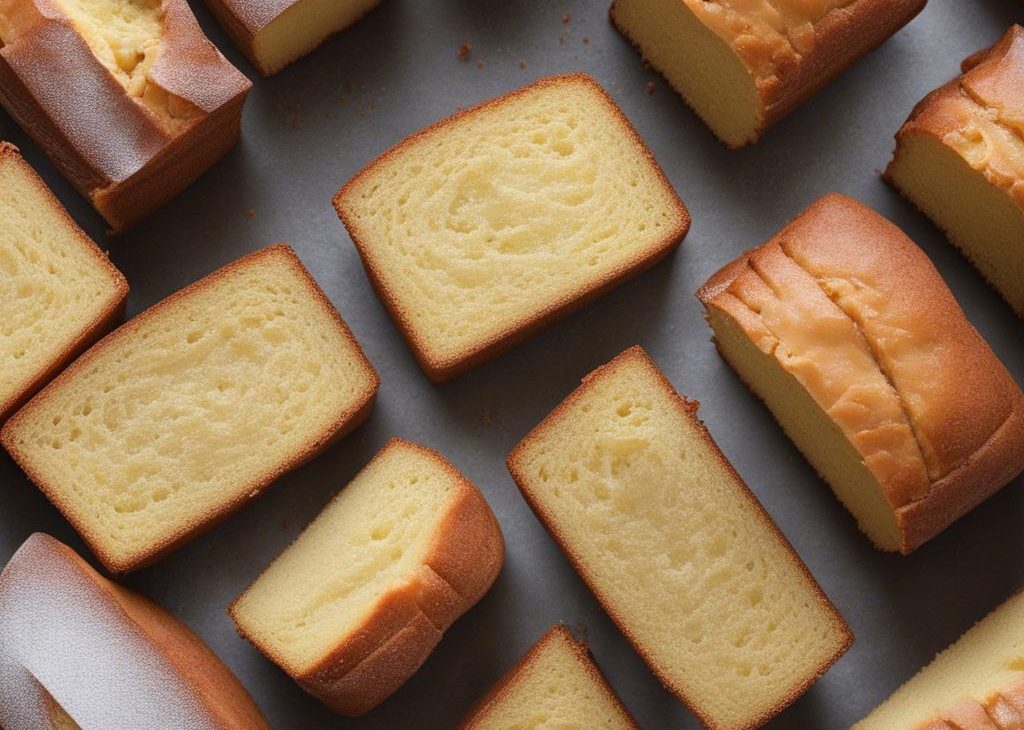

Stocks bakery pound cake has the kind of crumb I want with coffee: buttery, close-textured, and tender enough that I do not need a giant slice. I make this version when I want a small cake with a bakery-style finish instead of a plain loaf. The batter uses eggs, sugar, flour, butter, sour cream, vanilla, and a little lemon zest, then the cooled cake gets a simple buttercream.
The first time I baked it, I paid more attention to the frosting than the cake and nearly overmixed the batter. Pound cake forgives a lot, but it does not love being beaten into submission after the flour goes in. Now I mix the dry ingredients into the wet just until combined, then let the butter and lemon zest finish the job on low speed.
This is a 5-serving cake, so I think of it as a small celebration cake rather than a big party dessert. The slice is rich, the frosting is sweet, and a little tang from sour cream and lemon keeps it from tasting flat.
Why I like this small cake
- It uses pantry baking staples and a short ingredient list for the cake itself.
- Sour cream gives the crumb moisture without making the batter loose.
- Vegetable oil and butter work together, so the cake tastes buttery but stays soft.
- Lemon zest adds aroma without turning the cake into a lemon cake.
- The buttercream is quick and can be spread rustic-thick over the cooled cake.
- A small round cake pan makes the finished cake easy to slice and serve.
What I use and why
The cake starts with 2 large eggs, granulated sugar, sour cream, vegetable oil, warm water, and vanilla. I like whisking those until the mixture is smooth before flour enters the bowl. That makes it easier to avoid overworking the batter later.
All-purpose flour, baking powder, and fine salt form the dry base. I sift them because small lumps of baking powder are not something I want to find in a tender cake. The 5 tablespoons of unsalted butter go in cubed, which gives the batter richness while the mixer brings everything together. Lemon zest is small in quantity, but I notice its fresh smell as soon as the cake bakes.
For the buttercream, I use 3 tablespoons unsalted butter, confectioners’ sugar, vanilla, hot water, lemon juice, and a small pinch of salt. The hot water loosens the frosting just enough to spread, and the lemon juice is optional in spirit but helpful in flavor.
How I make it
Step 1 — Prepare the pan
I preheat the oven to 350°F (175°C), then grease and flour an 8-inch round cake pan. I use nonstick cooking spray first because this cake is tender, and I do not want to fight the pan after baking.
Step 2 — Mix wet and dry bowls
In a large bowl, I whisk the eggs, oil, vanilla, sour cream, and warm water until smooth. In a second bowl, I sift the flour, sugar, baking powder, and salt. I add the dry ingredients slowly and mix on low for about 30 seconds, just until the batter comes together.
Step 3 — Add butter and lemon
I add the lemon zest and cubed butter, then continue mixing on low until the batter looks thick and even, about 2 minutes total mixing time. This is where I stop myself from chasing every tiny streak. Overmixing can make the cake tough.
Step 4 — Bake, cool, and frost
I spread the batter evenly in the prepared pan and bake until a tester inserted in the center comes out clean. The source instructions call for 68-70 minutes, even though the card time is shorter, so I start checking near the later bake cue and trust the tester. After 15-20 minutes in the pan, I invert the cake onto a rack and cool it completely before frosting.
Buttercream notes
I beat the butter and confectioners’ sugar until creamy and light, about 1 minute. Then I add the pinch of salt, vanilla, lemon juice, and hot water on low speed before increasing to medium-high for about 3 minutes. The frosting should look fluffy but still spreadable.
I also check the cake around the edges before I trust the center. If the sides are pulling away hard but the middle is still wet, I lower my rack next time. Small cakes can brown before they finish inside.
If the frosting feels stiff, I add hot water a few drops at a time. If it turns loose, I let it sit for a minute before adding more sugar. I would rather adjust slowly than end up with frosting that tastes only like sugar.
Tips from my kitchen
- I bring the eggs and sour cream close to room temperature so the batter blends smoothly.
- I flour the pan after spraying because pound cake can cling to bare spots.
- I mix on low once the flour goes in; a high speed makes the crumb tighter.
- I cool completely before frosting or the buttercream slides and melts.
- I slice with a warm, wiped knife when I want neat pieces.
Variations I have actually tried
- For a stronger lemon finish, I add a little extra lemon zest to the frosting, not the batter.
- For almond flavor, I replace the frosting vanilla with a few drops of almond extract.
- For a plain snack cake, I skip the frosting and dust the top with confectioners’ sugar.
- For a berry plate, I serve thin slices with fresh strawberries instead of changing the batter.
- For a slightly tangier frosting, I use the fresh lemon juice and keep the vanilla as written.
Storing and serving
I keep the frosted cake covered at room temperature for a day if the kitchen is cool. After that, I refrigerate it because of the buttercream. Cold pound cake can taste firm, so I set slices out for 15-20 minutes before serving.
The cake also freezes better unfrosted. I wrap the cooled cake tightly, freeze it, then thaw and frost it later. If I freeze frosted slices, I chill them until firm first so the wrapping does not pull off all the buttercream.
Frequently asked questions
Can I use a loaf pan?
I can, but I watch the bake more closely because the depth changes. I keep the tester check as my guide rather than relying only on the clock.
Why did my cake turn dense?
Dense pound cake usually means the batter was overmixed after the flour went in, the leavener was old, or the cake was sliced before it cooled.
Can I skip the lemon zest?
Yes. The cake will taste more like a straight vanilla butter cake. I like the zest because it brightens the butter and sugar without taking.
Can I make the frosting thicker?
Yes. I add confectioners’ sugar 1 tablespoon at a time. If it gets too sweet or stiff, a few drops of hot water bring it back.
How do I know it is done?
I use a cake tester in the center. It should come out clean or with a few dry crumbs, not wet batter. The top should also spring back lightly.
If you bake this one, tell me whether you keep the buttercream thick or go with the lighter dusting of sugar.
Stocks Bakery style pound cake
Description
I make this Stocks Bakery style pound cake as a small, buttery cake with sour cream, vanilla, a little lemon zest, and a simple buttercream. The crumb is rich but tender, and the frosting gives it that bakery-counter finish.
Ingredients You’ll Need
Instructions
- Preheat the oven to 350°F (175°C). Grease and flour an 8-inch round cake pan, then set it aside.
- In a large mixing bowl, whisk together the eggs, vegetable oil, cake vanilla extract, sour cream, and warm water until well blended.
- In another medium bowl, sift together the flour, sugar, baking powder, and salt. Slowly add the dry ingredients to the wet ingredients and mix with a handheld electric mixer or stand mixer fitted with the paddle attachment on low speed for about 30 seconds, just until combined.
- Add the lemon zest and cubed cake butter. Continue to mix on low speed until evenly incorporated into a thick batter, about 2 minutes total mixing time. Do not overmix.
- Pour the batter into the prepared pan and spread it evenly. Bake for 68-70 minutes, or until a cake tester inserted in the center comes out clean. Cool in the pan for 15-20 minutes, then invert onto a cooling rack and cool completely before frosting.
- For the buttercream, beat the buttercream butter and confectioners' sugar until creamy and light, about 1 minute. Add the pinch of salt, buttercream vanilla, lemon juice if desired, and hot water; mix on low to combine. Increase to medium-high and beat until light and fluffy, about 3 more minutes. Spread over the cooled cake, slice, and serve.
Nutrition Facts
Servings 5
- Amount Per Serving
- Calories 411kcal
- % Daily Value *
- Total Fat 17g27%
- Saturated Fat 9g45%
- Trans Fat 0.5g
- Cholesterol 33mg11%
- Sodium 155mg7%
- Potassium 37mg2%
- Total Carbohydrate 64g22%
- Dietary Fiber 1g4%
- Sugars 47g
- Protein 2g4%
- Calcium 42 mg
- Iron 1.1 mg
* Percent Daily Values are based on a 2,000 calorie diet. Your daily value may be higher or lower depending on your calorie needs.
Note
Trust the tester. The source card has a shorter cook-time field, but the written bake cue is 68-70 minutes; I check the center for doneness.
Cool before frosting. Warm cake melts buttercream quickly.
Mix gently. I stay on low after adding flour so the crumb stays tender.
Adjust frosting slowly. A few drops of hot water can change the texture fast.
Frequently Asked Questions
Yes, but the bake time can change because the batter is deeper. I use a tester in the center to decide when it is done.
Yes. I sometimes dust the cooled cake with confectioners' sugar and serve the buttercream on the side.
It was likely overmixed after the flour went in. I mix on low and stop once the batter looks even.
A cup-for-cup gluten-free baking flour can work, though the crumb may be more delicate. I let it cool fully before slicing.
I cover it at room temperature for 1 day, then refrigerate. I bring slices toward room temperature before serving.
You may also like...