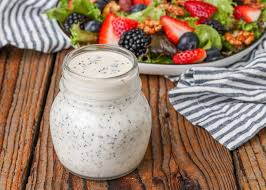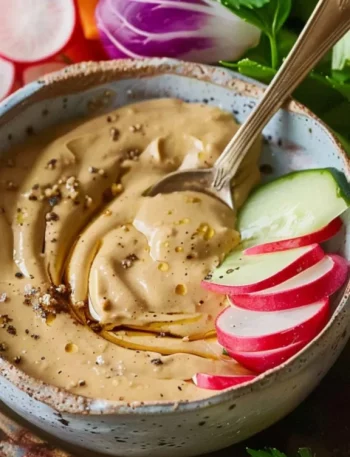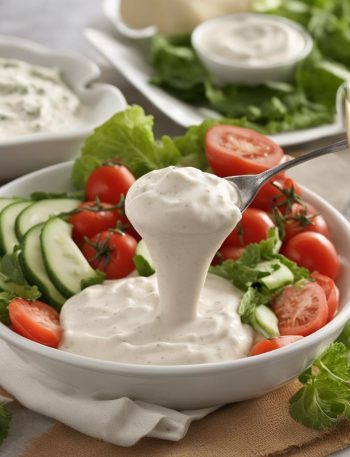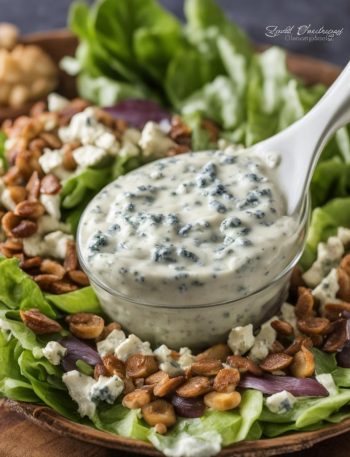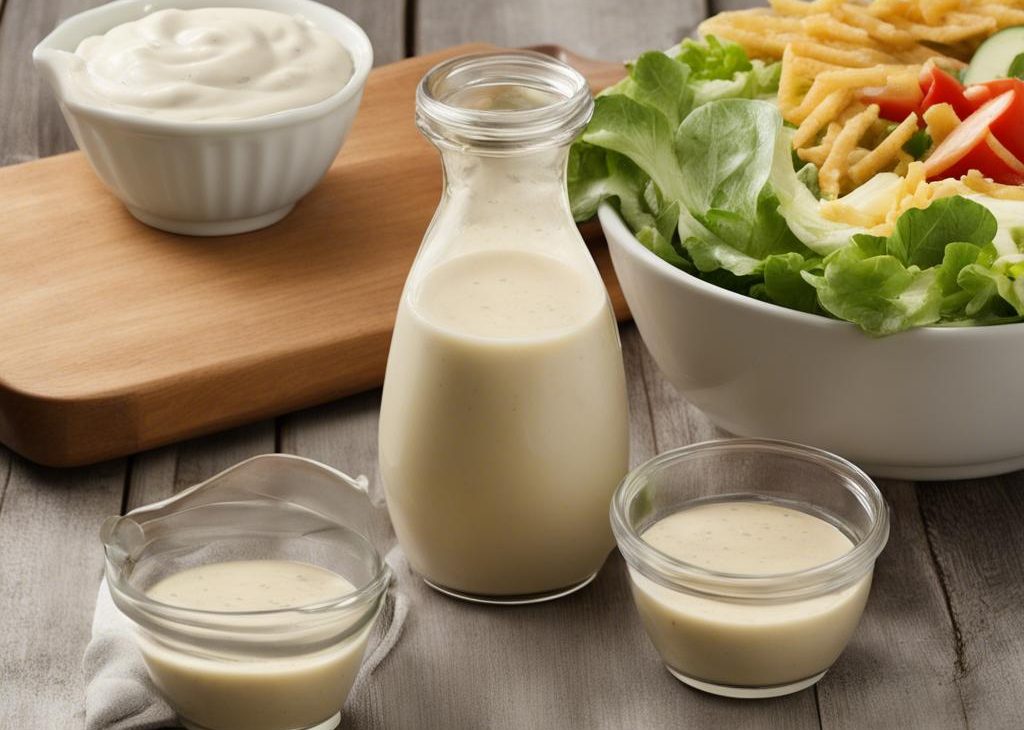

This Bob Evans Colonial Dressing is not the kind of dressing I whisk in a jar and pour right away. It is cooked on the stove, thickened lightly with cornstarch, and seasoned with celery seed, onion powder, vinegar, and sugar. That little bit of cooking gives it a glossy texture I really like on crunchy lettuce.
The first time I made a cooked dressing like this, I treated it like a pan sauce and walked away for a minute. That was enough time for the cornstarch to clump at the bottom. Now I whisk before the heat goes on and keep stirring until it thickens.
It tastes sweet, tangy, and old-fashioned in a good way. I use it on green salads, chopped cabbage, ham sandwiches, and even cold chicken. It is not a shy vinaigrette; it is more of a sweet-sour dressing that wants crisp vegetables underneath it.
Why I keep coming back to this
- It uses pantry ingredients I usually have already.
- Cooking the dressing gives it body without mayonnaise.
- Celery seed makes it taste like diner slaw dressing in the best way.
- It keeps in the refrigerator for up to 3 weeks.
- A small amount goes a long way because the flavor is bold.
- It works on salads, sandwiches, slaw, and roasted vegetables.
What you need (and what each one is doing)
- Water, 1/2 cup, and cornstarch, 1/16 cup. I whisk these together cold so the dressing thickens smoothly.
- White or cider vinegar, 1/4 cup. White vinegar is sharper; cider vinegar is rounder. I use either depending on what is open.
- Granulated sugar, 1/2 cup. This is a sweet dressing. I keep the amount because it balances the vinegar and celery seed.
- Margarine or butter, 2 tablespoons. Butter gives a richer flavor, while margarine keeps it closer to the old restaurant-style feel.
- Onion powder, celery salt, sea salt, celery seeds, and black pepper. These make the dressing taste savory instead of just sweet vinegar.
How I make it
Step 1 — Whisk together
I whisk the water and cornstarch in a saucepan before the burner turns on. If the cornstarch is smooth now, the finished dressing is smooth later. I scrape the corners of the pan because powder likes to hide there.
Step 2 — Add the remaining ingredients
I add the vinegar, sugar, onion powder, sea salt, butter or margarine, and black pepper. Then I set the pan over medium-high heat and stir steadily. The butter melts first, then the mixture starts to look glossy.
Step 3 — Whisk the splash
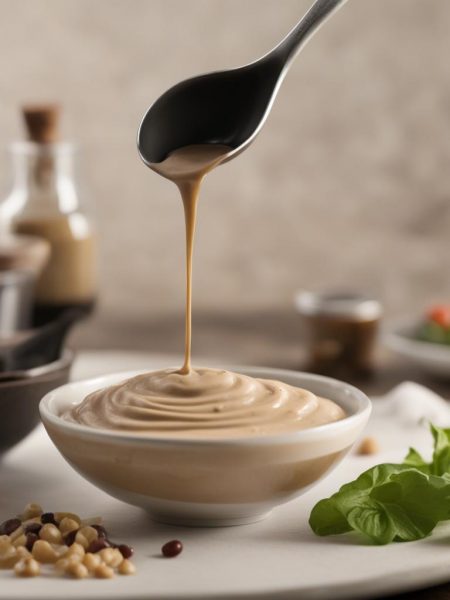
As soon as the liquid begins to bubble, the cornstarch wakes up. I keep stirring and watch for the dressing to coat the spoon. It should thicken, but not turn into pudding. If it looks too tight, I whisk in a splash of water.
Step 4 — Finish with celery
I stir in the celery salt and celery seeds after the dressing has thickened. The seeds stay more noticeable that way, and I like the little pop they add to each bite of salad.
Step 5 — Cool and chill
I remove the pan from the heat and let the dressing cool before I pour it into a clean jar. It tastes sharper while warm, so I judge the final flavor after at least an hour in the refrigerator.
Tips from my kitchen
- Use a small whisk. It reaches the edges of the saucepan better than a spoon.
- Do not boil hard. A gentle bubble is enough to activate the cornstarch.
- Shake before serving. The celery seeds settle after a day or two.
- Taste it cold. Warm vinegar tastes stronger than chilled dressing.
Variations I have actually tried
- Cider version: I use cider vinegar for a warmer, apple-like tang.
- Peppery version: I double the black pepper for sandwiches.
- Slaw dressing: I toss it with shredded cabbage and let it sit 20 minutes before serving.
- Less sweet: I reduce the sugar by 2 tablespoons, but I do not remove it completely.
- Mustard note: A tiny spoon of yellow mustard makes it sharper and more picnic-style.
Storing and make-ahead notes
I keep this dressing in a clean jar with a tight lid in the refrigerator for up to 3 weeks. Because it is cooked and sweetened, it holds well, but I still use a clean spoon every time.
The dressing thickens as it chills. If it is too thick to pour, I whisk in a teaspoon or two of water until it moves again.
How I like to serve it
My favorite use is over chopped iceberg, cucumbers, and thin red onion. The dressing needs crunch underneath it. It also works as a sweet-tangy sandwich spread, especially with turkey or ham.
For slaw, I dress the cabbage lightly at first and add more after it sits. Cabbage releases water, and starting with too much dressing can make the bowl soupy.
How I balance the sweet and tangy flavor
This dressing changes as it cools. Warm from the pan, the vinegar smells sharp and the sugar can taste loud. After chilling, the celery seed comes forward and the sweetness settles down. Because of that, I do not make big adjustments while it is hot unless something is clearly wrong.
If I want it sharper after chilling, I whisk in a teaspoon of vinegar. If it tastes too sharp, I add a teaspoon of sugar and let it dissolve. If it is too thick for salad greens, a small splash of water loosens it without changing the flavor much.
- For iceberg salads: I keep the dressing thicker so it clings to cold leaves.
- For slaw: I thin it slightly because cabbage releases liquid as it sits.
- For sandwiches: I use it cold and thick, almost like a sweet-tangy spread.
- For warm vegetables: I spoon it on lightly, then taste before adding more.
The other thing I watch is how much dressing I use. Because this one is sweet and thick, I start with less than I think I need, toss, and then add more. Greens should be coated, not swimming. On cabbage, I give the bowl a few minutes before deciding because the dressing pulls moisture out as it sits.
If I am serving it to people who expect a vinaigrette, I mention that it is a cooked colonial-style dressing. That sets the expectation for a glossy, sweet-tangy spoon dressing instead of a loose oil-and-vinegar pour.
Frequently asked questions
Can I double the recipe?
Yes. I double it in a wider saucepan and stir constantly so the cornstarch thickens evenly.
Can I use less cornstarch?
You can, but the dressing will be thinner and more like a vinaigrette. I like the original amount for cling.
Why add celery salt and celery seeds?
Celery salt seasons the dressing evenly, while celery seeds give little bursts of flavor. I like both.
Can I use oil instead of butter?
A neutral oil works, but butter or margarine gives a rounder cooked flavor.
Is this good on warm food?
Yes. I spoon it over warm green beans or roasted carrots when I want sweet-sour flavor without a heavy sauce.
If you make this dressing, I would like to know whether it ended up on salad, slaw, or a sandwich first.
Bob Evans Colonial Dressing
Description
A sweet-tangy cooked dressing with vinegar, sugar, celery seed, onion powder, and a little cornstarch for body. I use it on crisp salads, slaw, and leftover turkey sandwiches.
Ingredients You’ll Need
Instructions
- Whisk the water and cornstarch together in a medium saucepan until smooth.
- Set the pan over medium-high heat and add the vinegar, sugar, onion powder, salt, butter or margarine, and black pepper.
- Stir constantly until the mixture is smooth and thickened.
- Add the celery salt and celery seeds, then stir until evenly combined.
- Remove from the heat and cool before transferring to an airtight container.
- Refrigerate for up to 3 weeks.
Nutrition Facts
Servings 5
- Amount Per Serving
- Calories 128kcal
- % Daily Value *
- Total Fat 5g8%
- Saturated Fat 3g15%
- Trans Fat 0.2g
- Cholesterol 12mg4%
- Sodium 384mg16%
- Potassium 19mg1%
- Total Carbohydrate 22g8%
- Sugars 20g
- Calcium 6 mg
- Iron 0.1 mg
* Percent Daily Values are based on a 2,000 calorie diet. Your daily value may be higher or lower depending on your calorie needs.
Note
Whisk before heating. Cornstarch dissolves best in cool water, not in a hot pan.
Stir the whole time. The dressing thickens quickly once it starts to simmer.
Cool before judging. The vinegar bite mellows after chilling.
Frequently Asked Questions
Yes. Cider vinegar makes the dressing slightly fruitier, while white vinegar tastes sharper and cleaner.
The cornstarch probably hit hot liquid before it dissolved. Whisk it with the water first, then heat.
I keep it refrigerated in a clean jar for up to 3 weeks.
Yes. Reduce the sugar by a tablespoon or two, but I would not remove it all because sweetness is part of the style.
I chill it for salads, but I like it slightly warm over cooked cabbage or roasted vegetables.
You may also like...