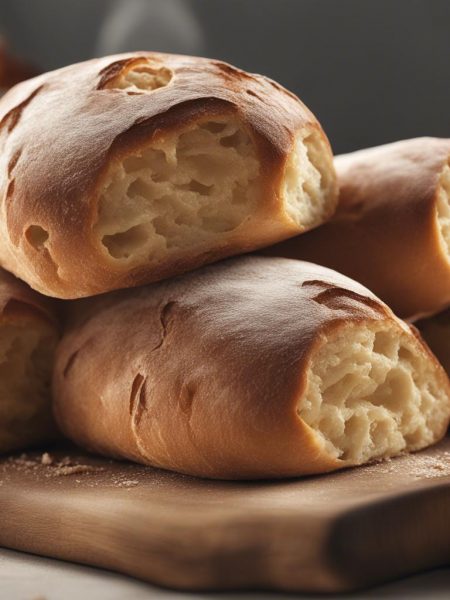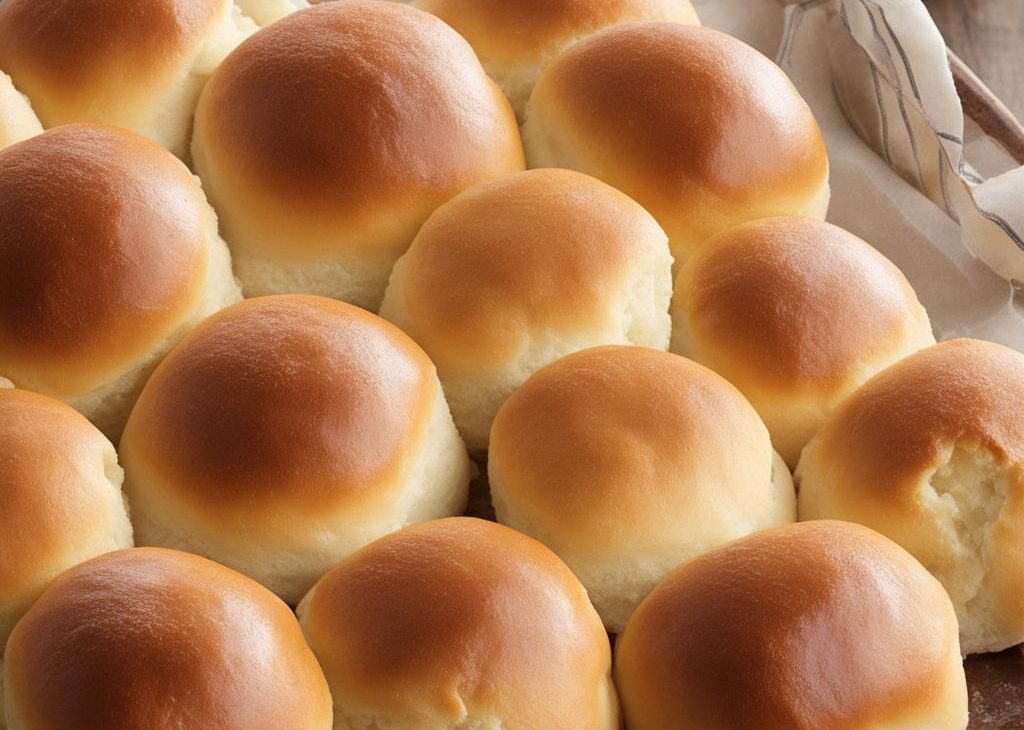

These Bob Evans Dinner Rolls are the soft, simple kind I want next to a plate of roast chicken or soup. They are not fancy rolls. They are buttery, pale-gold, and easy to pull apart while they are still warm from the oven.
I like this recipe because it uses milk, egg, a little shortening, and butter for a tender crumb. The dough feels richer than a plain water dough, but it is still straightforward: mix, knead, rise, shape, rise again, bake.
The source ingredient list is a little rough, so I treat this like a practical home-kitchen roll. With yeast bread, a puffy roll is always more reliable than a strict clock.
Why I keep coming back to this
- The dough uses everyday ingredients and bakes into 12 small rolls.
- Milk and egg make the crumb soft enough for dinner baskets.
- The second rise gives the rolls a rounded, bakery-style shape.
- Melted butter on top adds flavor and keeps the crust tender.
- Leftovers reheat well in foil.
- The rolls work with savory meals but can handle jam at breakfast.
What you need (and what each one is doing)
- Active dry yeast, 1 package. I mix it with sugar and warm milk so it can wake up before the dough gets heavy.
- Granulated sugar, 1/8 tablespoon. It is a tiny amount, just enough to feed the yeast and add mild sweetness.
- Salt, 1 tablespoon. This seasons the dough. I distribute it well so it does not sit directly on the yeast in one clump.
- Scalded lukewarm milk, 1 cup. The milk should be warm, not hot, by the time it touches the yeast.
- Vegetable shortening, 1/8 tablespoon, and melted butter. The shortening softens the crumb, and butter flavors the tops.
- All-purpose flour, 3 cups. I add it 1 cup at a time and stop if the dough starts to feel stiff.
- Egg, 1 large. It enriches the dough and helps the rolls brown.
How I make it
Step 1 — Mix the yeast base
I stir the yeast, sugar, and salt in a bowl, then add the egg and butter or margarine. If my milk is still hot from scalding, I wait. Lukewarm milk protects the yeast and keeps the dough from turning tight.
Step 2 — Build the dough
I pour the warm milk into a mixing bowl, add the yeast mixture, and stir until blended. Then I add the flour 1 cup at a time. The dough should pull together and feel elastic after 5-7 minutes of kneading.
Step 3 — Let it rise
I move the dough to a greased bowl, cover it, and let it rise for 1-2 hours. I look for doubled volume and a soft, airy feel. On a cold day, I set the bowl near a warm oven.
Step 4 — Shape the rolls
I punch the dough down and divide it into 12 even pieces. To shape, I tuck the edges under each piece until the top is smooth, then set the rounds on a lightly greased baking sheet.
Step 5 — Second rise and bake
The shaped rolls rise another 45 minutes, covered, until puffy. I brush the tops with melted butter, bake at 375°F for 20-25 minutes, and let them cool just long enough that nobody burns their fingers.
Tips from my kitchen
- Do not add all the flour at once. Flour absorbs differently from kitchen to kitchen.
- Keep the milk lukewarm. If it feels hot on my finger, I wait a few minutes.
- Use a scale if you want even rolls. I usually eyeball them, but weighing makes a neater basket.
- Cover during the second rise. Dry tops can crack before the rolls expand fully.
Variations I have actually tried
- Honey butter rolls: I brush the hot tops with butter mixed with a little honey.
- Herb rolls: I add chopped parsley or chives to the melted butter before brushing.
- Garlic tops: A pinch of garlic powder in the butter makes them good with pasta.
- Slider buns: I shape 8 larger rolls instead of 12 and bake a few minutes longer.
- Breakfast rolls: I serve leftovers split and toasted with jam.
Storing and make-ahead notes
I keep cooled rolls in a covered container at room temperature for 2 days. If I need longer, I freeze them in a bag and press out as much air as I can.
To reheat, I wrap rolls in foil and warm them at 300°F for 8-10 minutes. A second brush of butter after reheating makes them taste fresh again.
How I like to serve it
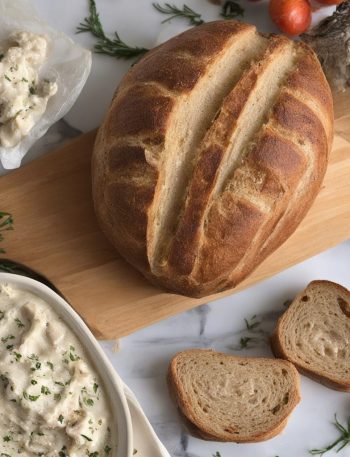
I serve these with meals that have sauce or gravy because the crumb is soft enough to swipe through the plate. They are also good with chili, soup, or a holiday turkey dinner.
For a basket, I line a bowl with a clean towel and tuck the warm rolls inside. The towel keeps them warm without trapping too much steam.
How I judge the dough by feel
Roll dough can be frustrating if I chase the exact flour amount instead of the texture. I want a dough that gathers around the hook or my hands, feels soft, and leaves the bowl mostly clean. If it is sticky but stretchy, I keep kneading. If it is sticky and slack, I add flour a tablespoon at a time.
During shaping, I tuck the dough under itself to create surface tension on top of each roll. That little rounded top helps the rolls rise up instead of spreading out. If a piece fights back while shaping, I let it rest for 5 minutes and try again.
- Under-risen rolls: bake up tight and pale, so I wait for visible puffiness.
- Over-floured rolls: taste dry, even with butter on top.
- Warm rolls: should pull apart in soft strands, not crumble.
I also pay attention to spacing on the baking sheet. If I want pull-apart sides, I set the rolls closer together. If I want browned edges all around, I leave more room between them. Both work, but the texture changes. My family usually prefers the softer pull-apart version.
When timing dinner, I bake the rolls last. They cool quickly because they are small, and warm rolls make even a simple meal feel more cared for. If everything else is running late, I hold the shaped rolls in a cooler spot so they do not overproof.
Frequently asked questions
Why did my rolls turn dense?
Most often, the dough needed more rising time or too much flour was added. I stop adding flour when the dough is soft and elastic.
Can I knead by hand?
Yes. It takes about 8-10 minutes by hand. I knead until the dough smooths out and springs back.
Can I brush with egg wash?
You can, but I prefer melted butter because it keeps the tops softer.
What if my yeast does not foam?
If the milk and yeast mixture looks lifeless after several minutes, I start over with fresh yeast.
Can I halve the recipe?
Yes, though I usually bake all 12 and freeze the extras because the oven time is the same.
If these rolls land on your dinner table, tell me whether they were used for butter, gravy, or little leftover sandwiches.
Bob Evans Dinner Rolls
Description
Soft dinner rolls made with milk, yeast, egg, shortening, butter, and all-purpose flour. I shape them into 12 small rounds and brush the tops with melted butter before baking.
Ingredients You’ll Need
Instructions
- In a medium bowl, mix the yeast, sugar, and salt until combined.
- Add the egg and butter or margarine to the yeast mixture.
- Pour 1 cup warm milk into a large mixing bowl, add the yeast mixture, and stir until blended.
- Transfer to an electric mixer and add the flour 1 cup at a time while mixing. Knead 5-7 minutes until smooth and elastic.
- Place the dough in a lightly greased bowl, cover, and let rise 1-2 hours, until doubled.
- Punch down the dough, divide into 12 pieces, shape into rounds, and arrange on a lightly greased baking sheet. Cover and rise 45 minutes.
- Preheat to 375°F, brush the tops with melted butter, and bake 20-25 minutes until golden. Cool slightly before serving.
Nutrition Facts
Servings 4
- Amount Per Serving
- Calories 406kcal
- % Daily Value *
- Total Fat 5g8%
- Saturated Fat 2g10%
- Trans Fat 0.1g
- Cholesterol 67mg23%
- Sodium 1484mg62%
- Potassium 202mg6%
- Total Carbohydrate 75g25%
- Dietary Fiber 3g12%
- Sugars 4g
- Protein 13g26%
- Calcium 92 mg
- Iron 4.6 mg
* Percent Daily Values are based on a 2,000 calorie diet. Your daily value may be higher or lower depending on your calorie needs.
Note
Scalded milk should be lukewarm before mixing. Hot milk can hurt the yeast.
Add flour gradually. I stop when the dough is soft and elastic, not stiff.
Butter the tops twice. I brush before baking and again after baking if I want a softer crust.
Frequently Asked Questions
Yes. Add a little honey or more sugar to the dough, but keep it modest so the rolls still taste like dinner rolls.
Use an unsweetened dairy-free milk and dairy-free butter. The texture will be slightly different but still soft.
An egg substitute can work, but the rolls may be a little less rich.
Yes. Refrigerate after the first rise, then shape and let the rolls rise until puffy before baking.
Wrap in foil and warm at 300°F for 8-10 minutes, or microwave one roll for about 10 seconds.