
I started making Bone Crusher Macaroni and Cheese after I wanted the flavor of the original without the thin, rushed feeling a lot of copycat recipes have. My first pass was not tidy: I had one bowl too many on the counter, I tasted too early, and I had to correct the seasoning at the end. That test was useful, though, because it showed me where the recipe needed patience.
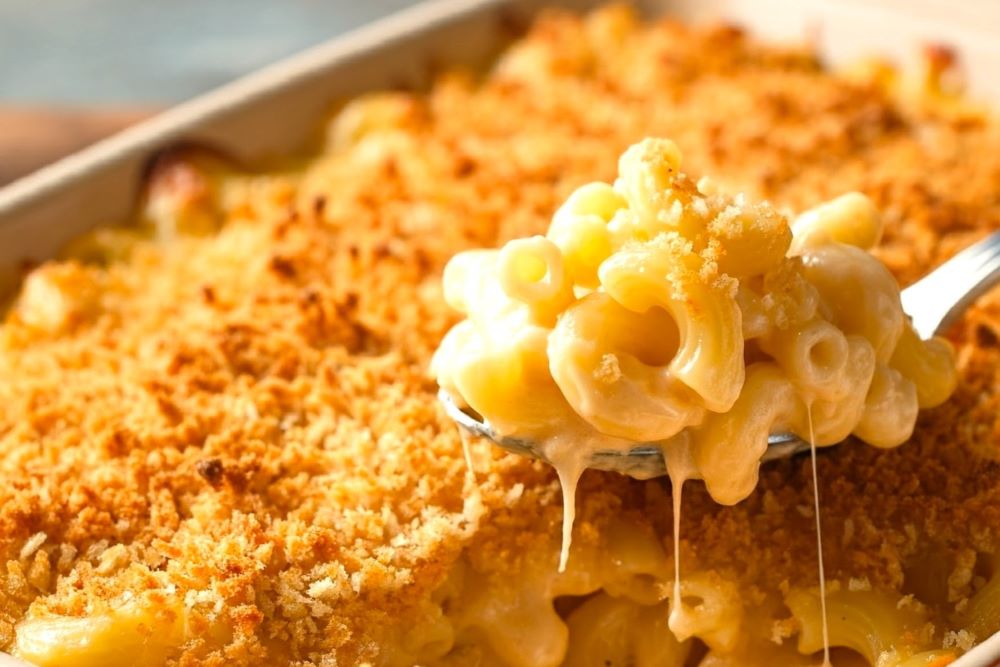
This is a small pan of macaroni and cheese with big baked edges. I like the buttermilk option for a little tang, but whole milk gives a softer classic flavor. The oregano is unusual, and I keep it because it makes the dish taste more like a family casserole than a boxed dinner.
I wrote this the way I actually cook it, with the small visual cues I watch for. A timer is helpful, but it cannot tell whether the pan is crowded, your cheese is melting smoothly, or your fish is cold from the refrigerator. I use the listed times, then I look, smell, and taste before I call it done.
Why I keep coming back to this
- The ingredient list is short enough that every item has a clear job.
- The method gives me practical checkpoints instead of asking me to guess.
- It works for a small table without turning into a sink full of dishes.
- The flavors are familiar, but there is still room to adjust heat, herbs, or richness.
- Leftovers are easy to use the next day, which matters in my kitchen.
- It feels homemade in a good way: not fussy, not bland, and not overworked.
What you need (and what each one is doing)
- 1/2 lb elbow macaroni. The shape holds sauce well.
- 6 teaspoons melted butter. Butter starts the roux.
- 6 teaspoons all-purpose flour. Flour thickens the sauce.
- 1 1/2 cups buttermilk or whole milk. Milk loosens the cheese into sauce.
- 1 1/2 cups shredded cheddar cheese. Cheddar is the main flavor.
- 2 tablespoons grated Parmesan cheese. Parmesan browns on top.
- 1 teaspoon dried oregano. Oregano gives the casserole note.
- 1 teaspoon ground black pepper (to taste). Pepper cuts richness.
- salt (to taste). Pasta water and sauce both need seasoning.
How I make it
Step 1 — Prep the dish
Preheat the oven to 375°F and grease a 9×13-inch baking dish.
Step 2 — Drain
Cook macaroni in boiling salted water until al dente, then drain.
Step 3 — Whisk together
Melt butter over low heat, whisk in flour for 1 minute, then slowly whisk in milk until thickened.
Step 4 — Stir the salt pepper
Stir in salt, pepper, oregano, and cheddar until melted and smooth.
Step 5 — Fold together
Fold macaroni into the sauce, pour into the dish, and sprinkle with Parmesan.
Step 6 — Bake until bubbling
Bake at 375°F for 25 minutes, until bubbling and golden in spots. Rest briefly before serving.
Tips from my kitchen
- Prep before heating. I measure the small seasonings first because the cooking moves faster once the pan is hot.
- Watch texture, not only time. I look for bubbling sauce, crisp edges, tender centers, or a glossy glaze before I stop.
- Season in layers. A little salt early and a final taste at the end gives me more control.
- Use the right size pan. Crowding traps steam, while a pan that is too large can dry things out.
- Let it rest when needed. A few quiet minutes often makes slicing, serving, or saucing cleaner.
Variations I have actually tried
- Sharper: use extra-sharp cheddar.
- Vegetable: fold in steamed broccoli or spinach.
- Smoky: add smoked paprika with the oregano.
- Crunchy top: add buttered breadcrumbs with the Parmesan.
- Richer: replace part of the milk with half-and-half.
How I serve and store it
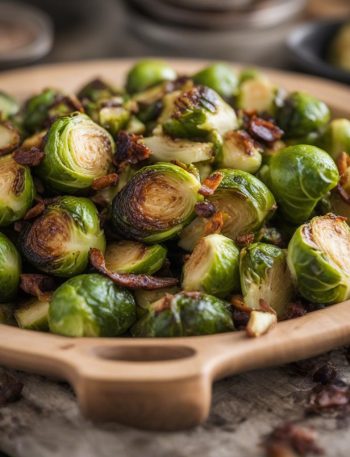
I serve it with a green salad or roasted broccoli because the pasta is rich. For a small dinner, it is enough on its own, but it also works beside chicken or a simple roast.
Refrigerate up to 4 days. Reheat covered at 325°F (163°C) with a splash of milk, then uncover for a few minutes if you want the top drier.
What I learned while testing it
The sauce should look slightly loose before baking. If it is already stiff in the pot, the oven will tighten it too much and the macaroni will taste dry.
I also learned not to chase restaurant flavor by adding more of everything. Usually the better fix is a calmer one: brown the food a little more, let the sauce reduce for another minute, chill the candy fully, or taste for salt after the main ingredient has had time to absorb it.
My timing notes for a better result
I give myself a little buffer around the listed times because home kitchens vary more than recipe cards admit. A cold baking dish, a thin skillet, a crowded sheet pan, or ingredients pulled straight from the refrigerator can all change the finish by a few minutes. I keep the original timing as the roadmap, then I use the doneness signs in the steps as the final call.
For stovetop recipes, I lower the heat before I think I need to. That keeps garlic from scorching, dairy from breaking, and sugar-heavy glazes from turning sticky before the main ingredient is ready. For oven recipes, I check early but do not keep opening the door every two minutes. One careful check near the low end of the range tells me more than nervous peeking.
The serving window matters too. Crisp chicken, wings, cookies, and seared salmon are best soon after cooking. Beans, roast, cake, and candy reward patience because resting or chilling changes the texture. I plan the rest of the meal around that rhythm so the main recipe is not sitting at its worst moment while I finish a side dish.
When I cook from these notes again, I write one quick sentence on the printed page or in my phone: whether the pan was too full, whether I wanted more pepper, or whether the sauce thickened faster than expected. Those tiny notes are why the second batch is usually calmer than the first. They also keep me from changing three things at once and never knowing which change actually helped.
I keep the plating simple for the same reason. A recipe with a creamy sauce, crisp coating, glossy glaze, or tender crumb does not need a crowded plate. I would rather serve it hot, neat, and seasoned correctly than add garnishes that distract from the work already done in the pan, especially when people are already waiting.
Frequently asked questions
Can I make this ahead?
Yes. I do the prep ahead when possible, then cook or finish close to serving so the texture stays fresh.
Can I double it?
Yes, but I use a larger pan or cook in batches. Crowding is the fastest way to lose browning and crispness.
How should I reheat leftovers?
I reheat gently. Crisp recipes do better uncovered in an oven or air fryer, while creamy or saucy recipes need low heat and sometimes a splash of liquid.
Can I change the seasoning?
Yes. I make the base version once, then adjust heat, herbs, salt, or sweetness after I know how the recipe behaves.
What should I serve with it?
I pick a side that balances the dish: something crisp with creamy food, something fresh with fried food, and something starchy with saucy food.
If you make Bone Crusher Macaroni and Cheese, leave a comment with what you changed. I always like hearing which small adjustments work in other kitchens.
Bone Crusher Macaroni and Cheese
Description
Creamy baked macaroni and cheese with cheddar, buttermilk or whole milk, oregano, black pepper, and a Parmesan top.
Ingredients You’ll Need
Instructions
- Preheat the oven to 375°F and grease a 9x13-inch baking dish.
- Cook macaroni in boiling salted water until al dente, then drain.
- Melt butter over low heat, whisk in flour for 1 minute, then slowly whisk in milk until thickened.
- Stir in salt, pepper, oregano, and cheddar until melted and smooth.
- Fold macaroni into the sauce, pour into the dish, and sprinkle with Parmesan.
- Bake at 375°F for 25 minutes, until bubbling and golden in spots. Rest briefly before serving.
Nutrition Facts
Servings 3
- Amount Per Serving
- Calories 413kcal
- % Daily Value *
- Total Fat 32g50%
- Saturated Fat 20g100%
- Trans Fat 1.0g
- Cholesterol 95mg32%
- Sodium 488mg21%
- Potassium 255mg8%
- Total Carbohydrate 14g5%
- Dietary Fiber 1g4%
- Sugars 7g
- Protein 19g38%
- Calcium 622 mg
- Iron 1.4 mg
* Percent Daily Values are based on a 2,000 calorie diet. Your daily value may be higher or lower depending on your calorie needs.
Note
Prep first. Small measured ingredients make the cooking calmer.
Trust the cues. Use the times, but stop when the texture is right.
Taste before serving. Salt, heat, and richness are easiest to adjust at the end.
Store promptly. Cool leftovers and refrigerate within 2 hours.
Frequently Asked Questions
Yes. I do the prep ahead when possible, then cook or finish close to serving so the texture stays fresh.
Yes, but I use a larger pan or cook in batches. Crowding is the fastest way to lose browning and crispness.
I reheat gently. Crisp recipes do better uncovered in an oven or air fryer, while creamy or saucy recipes need low heat and sometimes a splash of liquid.
Yes. I make the base version once, then adjust heat, herbs, salt, or sweetness after I know how the recipe behaves.
I pick a side that balances the dish: something crisp with creamy food, something fresh with fried food, and something starchy with saucy food.