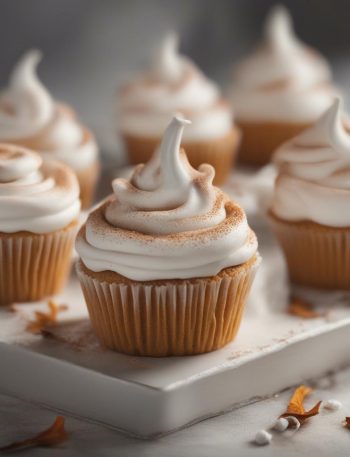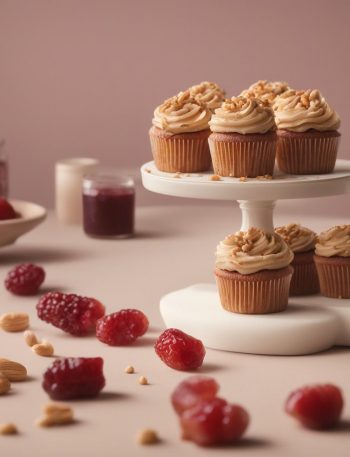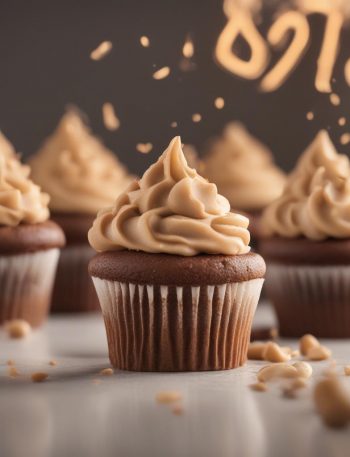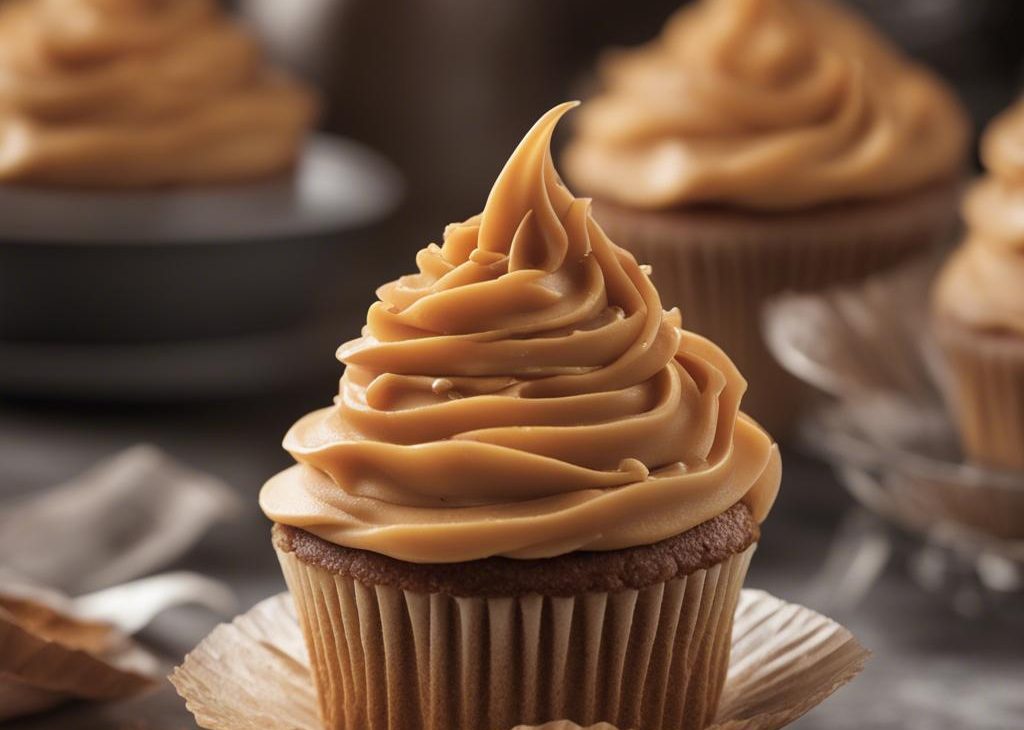

I make these Brown Sugar Butterscotch Cupcakes when I want a cupcake that tastes cozy rather than flashy. The cake is soft and buttery, the middle hides a spoonful of homemade butterscotch, and the vanilla frosting gives a clean finish.
The sauce is the part I pay attention to most. I let it bubble for the full 5 minutes, then cool it before filling. Warm butterscotch runs everywhere; cooled butterscotch settles into the cupcake like it belongs there.
These are a little more involved than a plain cupcake, but none of the steps are hard. I break the recipe into sauce, cupcakes, and frosting, and I do not start filling until every component is cool.
Why I keep coming back to this
- Brown sugar in the batter keeps the cupcakes moist and gives them a light caramel flavor.
- The butterscotch sauce uses the same saucepan method I trust for quick dessert sauces.
- Melted butter in the cupcake batter means no creaming step for the cake.
- Yogurt or sour cream keeps the crumb tender without making the batter runny.
- The vanilla frosting balances the rich filling instead of competing with it.
- They look bakery-style with just a drizzle of sauce on top.
What you need (and what each one is doing)
- Butter, brown sugar, cream, vanilla, and salt for the sauce. I cook these into a thick butterscotch before the cupcakes are baked so it has time to cool.
- All-purpose flour, baking powder, baking soda, and salt. These build the cupcake structure. I whisk them separately so the leaveners spread evenly.
- Brown sugar, 1 cup, for the batter. It sweetens the cupcakes and keeps the crumb soft.
- Melted butter, 1/2 cup. I use melted butter for a dense, buttery crumb and an easier mixing method.
- Egg, yogurt, milk, and vanilla. The egg binds, yogurt adds tenderness, milk loosens the batter, and a full tablespoon of vanilla makes the cake taste round.
- Softened butter for frosting. I beat it until creamy before adding sugar so the frosting is not lumpy.
- Confectioners’ sugar, cream, vanilla, and salt. I start with 3 cups sugar, then add more only if the frosting needs more body.
How I make it
Step 1 — Whisk together
I melt the butter, whisk in brown sugar and cream, and then let the mixture bubble untouched for 5 minutes. Once off the heat, I whisk in vanilla and salt. It thickens as it cools.
Step 2 — Whisk the dry ingredients
I whisk the dry ingredients in one bowl. In another bowl, I melt butter and whisk in brown sugar until no lumps remain, then add the egg, yogurt, milk, and vanilla.
Step 3 — Bake and cool
I stir the dry ingredients into the wet just until the batter is thick and smooth, then divide it among 12 liners. At 350°F (177°C), mine bake in about 20 minutes. I cool them completely before filling.
Step 4 — Beat until smooth
I beat softened butter for 3 minutes, then add confectioners’ sugar, cream, vanilla, and a little salt. I beat until fluffy and adjust with more cream or sugar as needed.
Step 5 — Frost and decorate
I use a squeeze bottle or piping bag to push butterscotch into each cupcake. Then I pipe or spread the vanilla frosting and drizzle a little more sauce over the top.
Tips from my kitchen
- Cool the sauce. Warm sauce leaks and can melt the frosting.
- Do not overfill. A small squeeze of butterscotch is enough; too much splits the cupcake.
- Use room temperature egg. It blends more smoothly into the melted butter mixture.
- Beat the frosting long enough. Three minutes after adding sugar gives a lighter texture.
- Salt matters. Butterscotch and frosting both need a little salt to keep them from tasting flat.
Variations I have actually tried
- Salted butterscotch: I add a slightly bigger pinch of salt to the sauce and finish with flaky salt.
- Caramel drizzle: I use a simple caramel sauce if I already have one in the fridge.
- Maple frosting: I replace 1/2 teaspoon vanilla in the frosting with maple extract.
- Mini cupcakes: I bake minis for about 10-12 minutes and use a tiny spoonful of sauce on top instead of filling.
- Nut garnish: I add chopped toasted pecans for crunch when serving adults.
Little details I do not skip
- I read the method before touching a bowl. A few of these recipes move quickly once heat, dough, filling, or frosting is involved, and I cook better when I know the next two steps.
- I set out the measured ingredients. It keeps me from hunting for vanilla, salt, parchment, a towel, or a pan while butter is browning or batter is waiting.
- I trust texture along with the clock. Times matter, but I also watch for the dough, filling, sauce, or topping to look and feel the way the step describes.
- I let things cool or rest when the recipe asks. That pause is usually when structure develops, slices clean up, frosting behaves, or flavors settle.
- I make one small note after cooking. If my oven runs hot, my skillet browns fast, or a dough needs another minute, I write it down for next time.
Storing and serving
I store filled and frosted cupcakes covered at room temperature for 2 days or in the refrigerator for 4 days. Chilled cupcakes taste best if they sit at room temperature for 20-30 minutes before serving. Extra butterscotch keeps in the refrigerator for 1 week.
How I like to serve it
I like these after dinner with strong coffee. For a party tray, I frost them the same day I serve them and add the final butterscotch drizzle close to serving so it looks glossy.
My prep rhythm
I do best when I separate the recipe into setup, cooking, and finishing instead of treating it as one long job. I clear a landing spot for hot pans or finished pieces, put a cooling rack nearby when needed, and keep a clean towel within reach. If the recipe includes chilling, freezing, filling, frosting, or slicing, I plan that time before I promise dessert or dinner. I also taste or smell when it makes sense: brown butter should smell nutty, fruit should smell ripe, and frosting should taste balanced before it goes on anything. I check the serving dish early, too, because a finished dessert or warm stack of tortillas waits for no one while I search for the right plate. When I am making a recipe for guests, I give myself a small buffer instead of aiming to finish at the exact minute everyone wants to eat. That extra cushion keeps me from cutting too soon, frosting too warm, or rushing a pan off the heat. I would rather serve five minutes later than fix a rushed mistake. That sounds fussy, but it makes the actual cooking feel calm and keeps small problems from turning into big ones.
Frequently asked questions
Can I make the sauce ahead?
Yes. I make it up to 1 week ahead, refrigerate it, and warm it just enough to loosen before filling.
Do I need a filling tip?
No. A squeeze bottle works, and so does cutting a small cone from the top of each cupcake and spooning sauce inside.
Can I use sour cream instead of yogurt?
Yes. I use plain yogurt and sour cream interchangeably here.
Why did my frosting look loose?
The butter may have been too warm or the sauce may have touched it. Add more confectioners’ sugar and chill briefly if needed.
Can I freeze these?
I freeze the unfrosted cupcakes only. Thaw, fill, and frost after they return to room temperature.
I always keep a little extra butterscotch for serving because someone usually wants one more drizzle.
Brown Sugar Butterscotch Cupcakes
Description
I make these brown sugar butterscotch cupcakes when I want a cupcake that tastes cozy rather than flashy. The cake is soft and buttery, the middle hides a spoonful of homemade butterscotch, and the vanilla frosting gives a clean finish. The sauce is the part I pay attention to most. I let it bubble for the full 5 minutes, then cool it before filling. Warm butterscotch runs everywhere; cooled butterscotch settles into the cupcake like it belongs there.
Ingredients You’ll Need
Instructions
- Make the butterscotch sauce: melt 1/4 cup butter in a medium saucepan over medium heat, whisk in 3/4 cup brown sugar and 3/4 cup cream, then let bubble and thicken 5 minutes without stirring. Remove from heat; whisk in 2 teaspoons vanilla and 1/2 teaspoon salt. Cool.
- Preheat the oven to 350°F (177°C). Line a 12-count cupcake pan with liners or grease it.
- Whisk flour, baking powder, baking soda, and salt in a medium bowl.
- In a large microwave-safe bowl, melt 1/2 cup butter. Whisk in 1 cup brown sugar until smooth, then whisk in egg, yogurt, milk, and 1 Tablespoon vanilla.
- Mix in the dry ingredients just until smooth and thick. Divide among 12 liners and bake 20 minutes, or until a toothpick comes out clean. Cool completely.
- Beat softened butter 3 minutes until creamy. Add confectioners' sugar, cream, and vanilla; beat from low to high for 3 minutes. Adjust with more sugar or cream and salt to taste.
- Fill each cooled cupcake with butterscotch sauce using a squeeze bottle or piping bag, then frost and drizzle with remaining sauce. Store covered 2 days at room temperature or 4 days refrigerated; refrigerate extra sauce up to 1 week.
Nutrition Facts
Servings 12
- Amount Per Serving
- Calories 614kcal
- % Daily Value *
- Total Fat 34g53%
- Saturated Fat 21g105%
- Trans Fat 1.3g
- Cholesterol 92mg31%
- Sodium 150mg7%
- Potassium 69mg2%
- Total Carbohydrate 77g26%
- Sugars 64g
- Protein 3g6%
- Calcium 55 mg
- Iron 0.8 mg
* Percent Daily Values are based on a 2,000 calorie diet. Your daily value may be higher or lower depending on your calorie needs.
Note
Cool before filling. Both cupcakes and butterscotch need to be cool or the frosting will slide.
Start with 3 cups sugar. Add the fourth cup only if the frosting needs to hold sharper piping.
Fill gently. Too much pressure can split the cupcakes.
Store covered. The cupcakes stay moist, but frosting absorbs refrigerator odors easily.
Frequently Asked Questions
Yes. Refrigerate it up to 1 week and warm just enough to loosen before filling.
No. A squeeze bottle works, or cut a small plug from each cupcake and spoon sauce inside.
Yes. Sour cream works 1:1 for the plain yogurt.
Freeze the unfrosted cupcakes, then thaw, fill, and frost before serving.
The butter may be too warm. Beat in more confectioners' sugar or chill briefly.
You may also like...