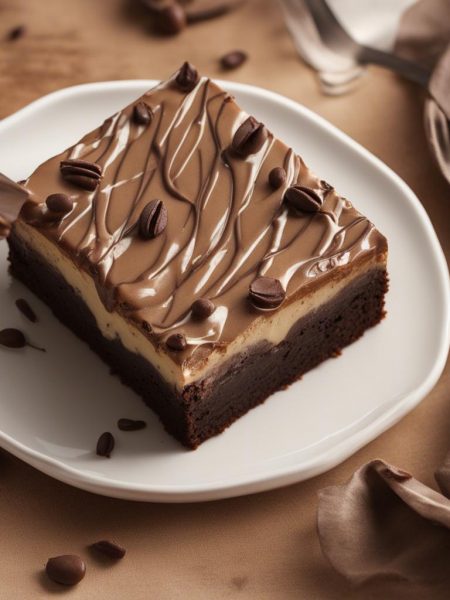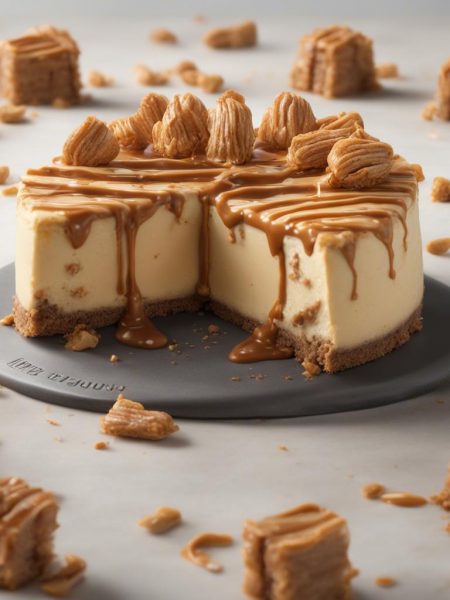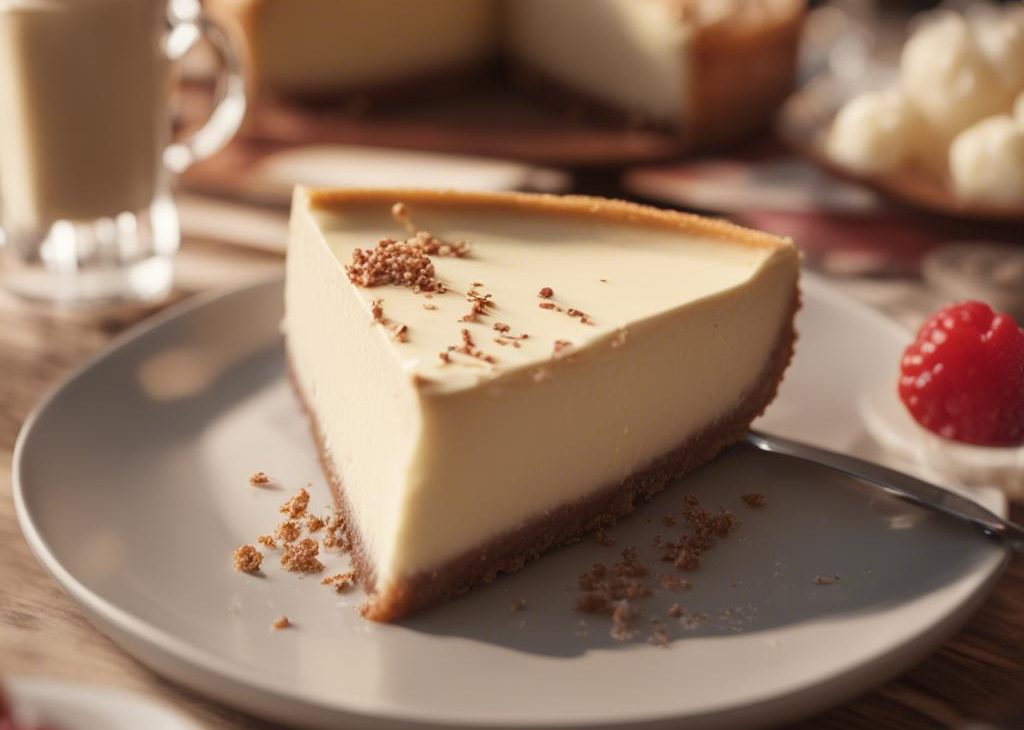

I use 10 ounces of cream cheese for this small-batch version, which fits the eggs, crust, and pan neatly. The cheesecake bakes into a creamy deli-style dessert.
I keep this version practical: I want the Carnegie Deli Cheesecake to taste right, look right, and be repeatable on a normal day. The timing is a guide, but I pay just as much attention to texture, aroma, color, and how the mixture moves in the pan or blender — those details save dinner more often than a timer does.
Why I make this recipe
- It gives me a reliable homemade version of Carnegie Deli Cheesecake without extra fuss or confusing shortcuts.
- The ingredient list is clear, so I am not guessing halfway through cooking.
- I can make it ahead or hold leftovers without losing the main texture.
- The method uses simple visual cues, which matters when ovens, pans, and produce behave differently.
Ingredients I pay attention to
- 1/2 cup all-purpose flour, sifted.
- 2 Tablespoons granulated sugar.
- 1/2 teaspoon freshly grated lemon rind.
- 1/4 teaspoon vanilla extract.
- 1/2 beaten egg yolk.
- 1/4 cup unsalted butter, chilled and diced.
- 10 ounces cream cheese, softened.
- 6 Tablespoons granulated sugar.
- 1 1/2 Tablespoons all-purpose flour.
- 1 1/2 teaspoons fresh lemon juice.
- 1 1/2 teaspoons vanilla extract.
- 1/2 beaten egg yolk.
- 1 1/2 beaten eggs.
- 1 Tablespoon heavy cream.
How I make it
Step 1 — Preheat the oven
I preheat the oven to 350 degrees and prepare your 9-inch springform pan.
Step 2 — Cut in the butter
In a medium bowl, whisk together the flour, sugar, lemon rind, and vanilla extract until combined. Add in the egg yolk and mix until well incorporated. Cut the butter into small pieces and add to the dry mixture. Using a pastry cutter or two forks, mix together until the mixture resembles a course meal. Press the dough evenly into the bottom of the springform pan and bake for 15 minutes or until golden brown.
Step 3 — Beat until smooth
While the crust is baking, prepare the filling. In a large bowl, beat together cream cheese, sugar, flour, lemon juice, and vanilla extract until smooth. Add in eggs one at a time, mixing until each egg is fully incorporated. Beat in the heavy cream until combined.
Step 4 — Pour and combine
Once the crust has cooled, pour the filling on top and spread evenly with a rubber spatula. Place back in the oven and bake for 40-45 minutes or until the cheesecake is set but still slightly jiggly in the center. Allow to cool before serving.
Step 5 — Garnish and finish
I garnish with fresh berries and a dusting of powdered sugar before serving, if you desire.
Tips from my kitchen
- Pat proteins dry before browning.
- Keep the heat moderate once the sauce or filling is involved.
- Use a thermometer for chicken and tenderness cues for beef.
- Rest briefly before serving so juices settle.
Variations I have tried
- Serve over rice, pasta, or warm tortillas.
- Add extra vegetables to stretch the meal.
- Make the sauce a day ahead.
- Use a milder chile or cheese if needed.
- Turn leftovers into sandwiches or bowls.
Storing and making ahead
I refrigerate leftovers in their sauce or juices for up to 3-4 days. When reheating, I add a splash of water or broth and use gentle heat so the protein does not dry out.
Frequently asked questions
Can I make this ahead?
Yes. I prep the parts that benefit from resting, chilling, or slow cooling first. If texture matters, I wait to add crisp toppings, drizzles, ice, or fresh garnishes until serving.
What should I watch most closely?
I watch the cue that changes fastest: browning for baked recipes, thickness for sauces, tenderness for meats, and texture for drinks. A timer helps, but the food gives the final answer.
Can I change the heat or sweetness?
Yes. I adjust in small amounts, then taste again. It is easy to add more sugar, vinegar, salt, chile, or liquid; it is much harder to take it back out.
What if my result seems too thick?
I loosen it gradually. For sauces and soups I use water or stock; for drinks I use the main liquid; for batters and fillings I only adjust if the recipe already allows it.
How do I keep the best texture?
I do not rush cooling, chilling, or resting. Those quiet minutes are often when cookies firm up, pies set, cheesecakes smooth out, and sauces cling properly.
If you make this Carnegie Deli Cheesecake, I would love to hear what you changed. I keep notes every time I cook, because the small real-life adjustments — the pan size, the ripeness, the extra minute on the stove — are what make a recipe dependable.
Carnegie Deli Cheesecake
Ingredients You’ll Need
Instructions
- Preheat the oven to 350 degrees and prepare your 9-inch springform pan.
- In a medium bowl, whisk together the flour, sugar, lemon rind, and vanilla extract until combined. Add in the egg yolk and mix until well incorporated. Cut the butter into small pieces and add to the dry mixture. Using a pastry cutter or two forks, mix together until the mixture resembles a course meal. Press the dough evenly into the bottom of the springform pan and bake for 15 minutes or until golden brown.
- While the crust is baking, prepare the filling. In a large bowl, beat together cream cheese, sugar, flour, lemon juice, and vanilla extract until smooth. Add in eggs one at a time, mixing until each egg is fully incorporated. Beat in the heavy cream until combined.
- Once the crust has cooled, pour the filling on top and spread evenly with a rubber spatula. Place back in the oven and bake for 40-45 minutes or until the cheesecake is set but still slightly jiggly in the center. Allow to cool before serving.
- Garnish with fresh berries and a dusting of powdered sugar before serving, if you desire.
Nutrition Facts
Servings 4
- Amount Per Serving
- Calories 449kcal
- % Daily Value *
- Total Fat 37g57%
- Saturated Fat 22g111%
- Trans Fat 1.2g
- Cholesterol 113mg38%
- Sodium 231mg10%
- Potassium 127mg4%
- Total Carbohydrate 23g8%
- Dietary Fiber 1g4%
- Sugars 9g
- Protein 6g12%
- Calcium 78 mg
- Iron 1.6 mg
* Percent Daily Values are based on a 2,000 calorie diet. Your daily value may be higher or lower depending on your calorie needs.
Note
Measure before starting.
Use the visual cues, not only the clock.
Cool or rest fully when directed.
Taste and adjust at the end.
Frequently Asked Questions
Yes. I prep components ahead and finish any crisp, fresh, chilled, or drizzled parts close to serving for the best texture.
Yes — adjust salt, sweetness, acid, or heat in small amounts and taste between additions.
Cool completely, cover well, and refrigerate. Reheat gently or serve chilled depending on the recipe.
Follow the visual cues as closely as the time. Texture, browning, thickness, and doneness matter most.
Many portions freeze well, especially baked goods, sauces, soups, and cooked meats. Wrap tightly and thaw gently.
You may also like...