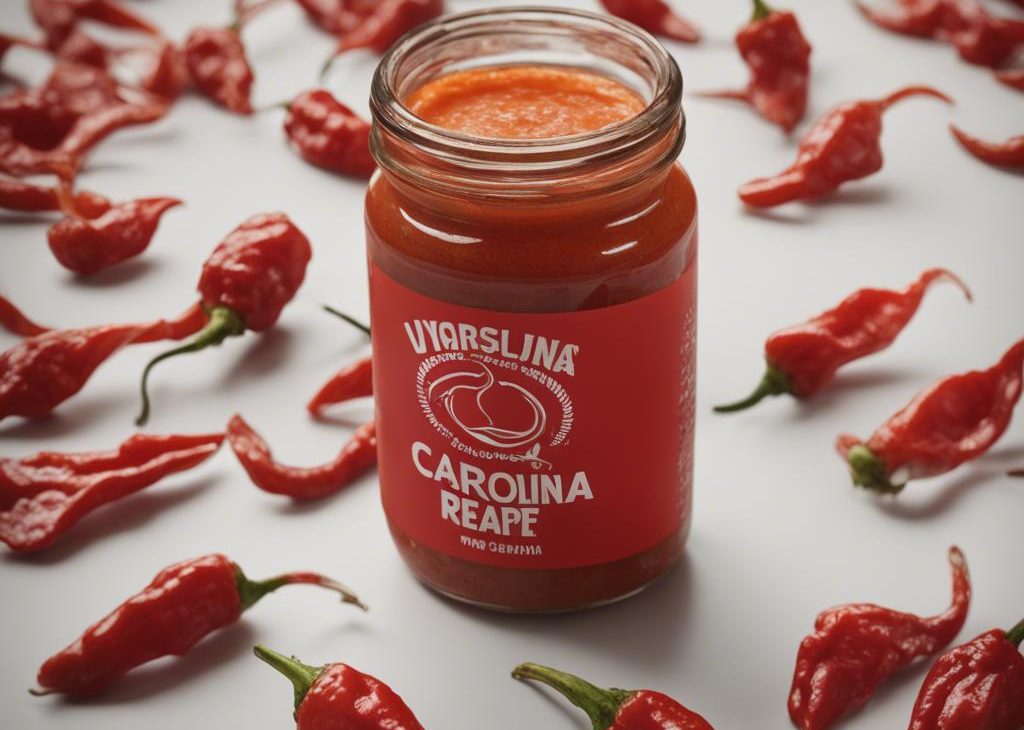

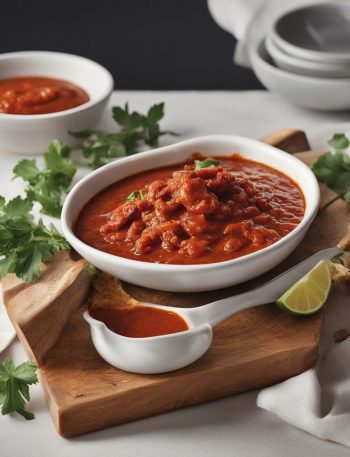
I make this with gloves on and the vent fan running, because Carolina Reapers are serious peppers. The flavor is fruity and roasted under the heat, but I use it by the drop.
I keep this version practical: I want the Carolina Reaper Hot Sauce to taste right, look right, and be repeatable on a normal day. The timing is a guide, but I pay just as much attention to texture, aroma, color, and how the mixture moves in the pan or blender — those details save dinner more often than a timer does.
Why I make this recipe
- It gives me a reliable homemade version of Carolina Reaper Hot Sauce without extra fuss or confusing shortcuts.
- The ingredient list is clear, so I am not guessing halfway through cooking.
- I can make it ahead or hold leftovers without losing the main texture.
- The method uses simple visual cues, which matters when ovens, pans, and produce behave differently.
Ingredients I pay attention to
- 16 ounces Carolina Reaper peppers. use gloves. I taste and handle this carefully; heat builds as the recipe sits.
- 2 large bulbs garlic. I mince it fine so it distributes evenly through the dish.
- 2 medium white onions. I cut or prep it evenly so it cooks or blends at the same pace.
- 6 Tablespoons good-quality vinegar. A small splash balances richness with a clean, sharp note.
- 1 teaspoon salt. plus more to taste. A small amount sharpens every other flavor in the recipe.
- 2 cups water. or more as desired. I use it at the temperature the recipe specifies—cold, warm, or boiling matters here.
How I make it
Step 1 — Preheat the oven
First, I preheat the oven to 400 degrees Fahrenheit and place the Carolina Reaper peppers, garlic, and onion on a baking sheet.
Step 2 — Bake
I then bake all of them for 15-20 minutes or until the skins slightly char. Monitor carefully to avoid burning.
Step 3 — Mix the chunky
At this point, you have to put roasted vegetables into a food processor, along with vinegar and salt. Mix until chunky.
Step 4 — Blend until smooth
I add half a cup of water and blend until the sauce reaches the desired consistency.
Step 5 — Store leftovers
Now, I strain if necessary, and then pour them into sterilized bottles and store them for later use.
Step 6 — Serve
I allow to sit and meld flavors before serving. Serve it with your favorite savory dish.
Tips from my kitchen
- Use ventilation and gloves when working with hot peppers.
- Simmer until the sauce coats a spoon, not just until the timer ends.
- Taste for salt and acid at the end.
- Store in clean jars or bottles and label the heat level.
Variations I have tried
- Add honey or brown sugar for a sweeter sauce.
- Blend smoother or leave it chunky.
- Use apple cider vinegar for fruitier acidity.
- Cut the hottest peppers with mild peppers.
- Brush it on grilled meats or vegetables.
Storing and making ahead
I cool the sauce, transfer it to clean containers, and refrigerate it. Most vinegar-based sauces keep several days to a few weeks depending on ingredients, but I trust my senses and discard anything that smells off, grows mold, or fizzes unexpectedly.
Frequently asked questions
Can I make this ahead?
Yes. I prep the parts that benefit from resting, chilling, or slow cooling first. If texture matters, I wait to add crisp toppings, drizzles, ice, or fresh garnishes until serving.
What should I watch most closely?
I watch the cue that changes fastest: browning for baked recipes, thickness for sauces, tenderness for meats, and texture for drinks. A timer helps, but the food gives the final answer.
Can I change the heat or sweetness?
Yes. I adjust in small amounts, then taste again. It is easy to add more sugar, vinegar, salt, chile, or liquid; it is much harder to take it back out.
What if my result seems too thick?
I loosen it gradually. For sauces and soups I use water or stock; for drinks I use the main liquid; for batters and fillings I only adjust if the recipe already allows it.
How do I keep the best texture?
I do not rush cooling, chilling, or resting. Those quiet minutes are often when cookies firm up, pies set, cheesecakes smooth out, and sauces cling properly.
If you make this Carolina Reaper Hot Sauce, I would love to hear what you changed. I keep notes every time I cook, because the small real-life adjustments — the pan size, the ripeness, the extra minute on the stove — are what make a recipe dependable.
Carolina Reaper Hot Sauce
Ingredients You’ll Need
Instructions
- First, preheat the oven to 400 degrees Fahrenheit and place the Carolina Reaper peppers, garlic, and onion on a baking sheet.
- Then bake all of them for 15-20 minutes or until the skins slightly char. Monitor carefully to avoid burning.
- At this point, you have to put roasted vegetables into a food processor, along with vinegar and salt. Mix until chunky.
- Add half a cup of water and blend until the sauce reaches the desired consistency.
- Now, strain if necessary, and then pour them into sterilized bottles and store them for later use.
- Allow to sit and meld flavors before serving. Serve it with your favorite savory dish.
Note
Measure before starting.
Use the visual cues, not only the clock.
Cool or rest fully when directed.
Taste and adjust at the end.
Frequently Asked Questions
Yes. I prep components ahead and finish any crisp, fresh, chilled, or drizzled parts close to serving for the best texture.
Yes — adjust salt, sweetness, acid, or heat in small amounts and taste between additions.
Cool completely, cover well, and refrigerate. Reheat gently or serve chilled depending on the recipe.
Follow the visual cues as closely as the time. Texture, browning, thickness, and doneness matter most.
Many portions freeze well, especially baked goods, sauces, soups, and cooked meats. Wrap tightly and thaw gently.





One thing I’ve noticed is that often there are plenty of misconceptions regarding the banking institutions intentions if talking about property foreclosure. One delusion in particular would be the fact the bank needs to have your house. The lender wants your cash, not your property. They want the funds they lent you along with interest. Staying away from the bank is only going to draw a new foreclosed final result. Thanks for your publication.