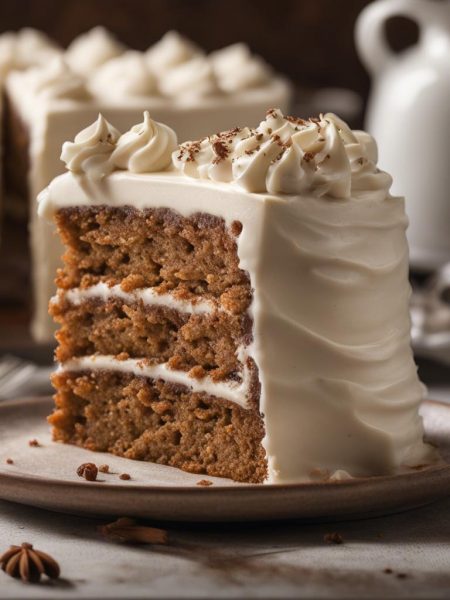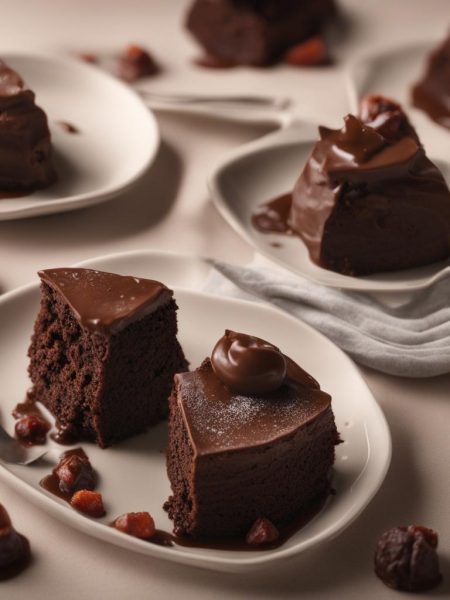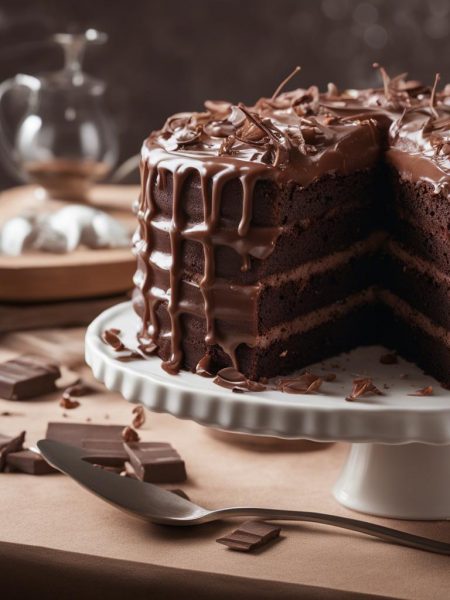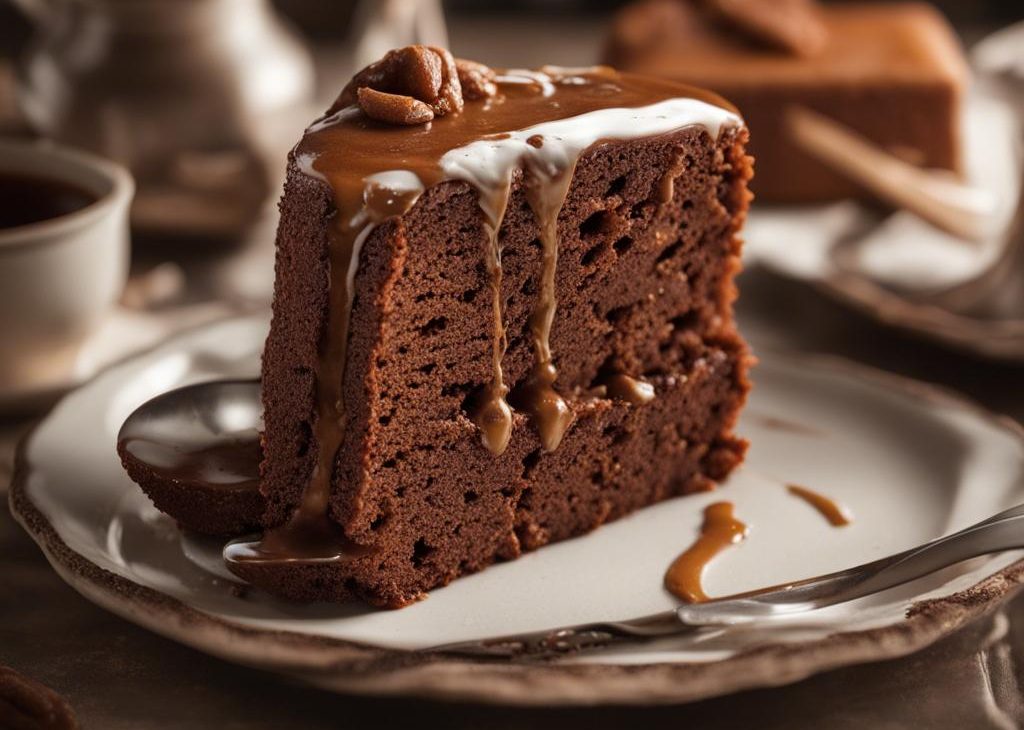

I keep a small list of recipes that earn their space because they do not make the kitchen feel chaotic, and Old fashioned molasses cake is on that list. The first time I worked through this one, I wrote a note in the margin about the texture: watch the middle, not just the edges. That note still matters, whether I am making it on a quiet afternoon or fitting it between errands.
What I like about this version is the balance of large eggs and molasses. It has enough structure to feel dependable, but it still leaves room for the small adjustments I make in a normal home kitchen. If a bowl is a little smaller than I wanted or the oven runs hot, I can still steer the recipe back on track.
The recipe serves 18 and the working rhythm is 20 minutes of prep, 25 minutes of cooking. I am not trying to dress it up with extra steps. I want clear mixing, careful timing, and a finished Old fashioned molasses cake that tastes like someone paid attention.
Why I keep coming back to this
- The ingredient list is honest. I can see what large eggs is doing instead of hiding it behind extra add-ins.
- The timing is manageable. 20 minutes of prep, 25 minutes of cooking gives me a realistic plan before I begin.
- It scales into real life. I can make it for family, portion it neatly, and still have leftovers that behave well.
- The texture tells me when it is ready. I rely on touch, color, and aroma instead of blindly trusting the clock.
- It welcomes small changes. I can adjust sweetness, seasoning, or toppings without losing the point of the recipe.
- Cleanup stays reasonable. I keep bowls and pans to a minimum whenever the method allows it.
What I use and why it matters
- 2 large eggs.
- 1 cup molasses.
- 1/4 teaspoon salt. A small amount sharpens every other flavor in the recipe.
- 1/2 cup sugar.
- 1 cup hot water.
- 2 cups all-purpose flour. This gives the recipe body and helps it hold together when sliced or served.
- 1/2 teaspoon ground cinnamon. It adds warmth that complements the sweetness without overpowering.
- 4 tablespoon butter (softened). This is where the richness and smooth texture come from, so I measure it instead of guessing.
- 1/2 teaspoon ground ginger.
- 2 teaspoon baking soda.
- Whipped topping (optional).
How I make it
Step 1 — Prepare the pan
Preheat the oven to 350°F (175°C). Grease and line an 8-inch round cake tin with parchment paper.
Step 2 — Whisk together
In a large bowl, whisk the eggs until they become light and fluffy.
Step 3 — Add the remaining ingredients
Add molasses, a pinch of salt, sugar, hot water, flour, cinnamon, ginger, and butter to the whisked eggs. Mix until all ingredients are fully combined.
Step 4 — Pour and combine
Pour the cake batter into the prepared cake tin and bake for 35-40 minutes, or until a skewer inserted into the center comes out clean.
Step 5 — Cool completely
Allow the cake to cool in the tin before removing it. I also check the center before I call it done; carryover heat keeps working after the pan comes out.
Tips from my kitchen
- Read the whole method first. I have saved myself from cold butter, warm cream, or a missing pan by doing this before I touch a bowl.
- Use the visual cues. Color, thickness, bubbling, and set matter as much as the listed time, especially if the oven or burner runs unevenly.
- Do not rush cooling. Slices, cookies, bars, and creamy fillings all cut cleaner after they have had time to settle.
- Season in small moves. If salt, vinegar, lemon, or spice can be adjusted at the end, I add a little and taste before adding more.
- Rotate once if needed. My oven has a warm back corner, so I turn pans when browning starts unevenly.
Variations I have actually tried
- Less sweet: I reduce the sweetest ingredient slightly only when the structure does not depend on it; with Old fashioned molasses cake, I start small.
- More crunch: I add toasted nuts, crumbs, or crackers at the end so they stay crisp instead of steaming into the mixture.
- Brighter flavor: I use a little lemon, vinegar, or extra vanilla when the batch tastes heavy after cooling.
- Make-ahead version: I prepare the base earlier in the day and wait on final toppings or crisp pieces until serving.
- Smaller batch: I halve the recipe only when the pan or bowl size still gives the same depth and contact with heat.
Storing and reheating
I cool the batch fully before covering it. Warm steam trapped under a lid softens tops and edges, so I give it time on a rack first. Once cool, I store slices or portions in an airtight container and separate sticky pieces with parchment if needed.
For reheating, I use short bursts in the microwave for single portions or a low oven when I want edges to come back. If the recipe has a crisp topping, I avoid sealing it while warm because that is the fastest way to lose texture.
What I serve with it
I usually keep the sides simple: coffee or tea with sweets, a green salad with rich mains, or something salty next to a sweet snack. The point is not to crowd the plate. I want the main flavor of this recipe to stay clear.
Frequently asked questions
Can I make Old fashioned molasses cake ahead of time?
Yes. I look at the texture first: crisp toppings wait until serving, while fillings, doughs, dressings, and chilled mixtures usually handle a head start well. The listed prep time is 20, so I plan around cooling or resting.
How do I know when it is done?
I use the clock as a guide and then check the center. The listed cook time is 25, but color, set, and a clean tester or steady center tell me more than minutes alone.
Why did my texture turn dry?
Dry texture usually means too much heat, too much time, or measuring dry ingredients with a heavy hand. I spoon and level dry ingredients and start checking a few minutes early.
Can I double the recipe?
I double ingredients only when I also have a bowl, pan, or pot large enough to keep the same depth. If the food sits deeper, cooking and chilling times change more than expected.
What should I watch most closely?
I watch large eggs and the final texture. When those look right, the recipe usually lands where I want it, even if the timing shifts a little.
If you make Old fashioned molasses cake, leave a note with what you changed or what you served with it — I read those details because they help the next batch.
Old fashioned molasses cake
Description
Old fashioned molasses cake is my practical version of this recipe, written with clear timing, measured ingredients, and the texture cues I rely on in my own kitchen. I include storage notes, variations, and answers to the questions that usually come up while making it.
Ingredients You’ll Need
Instructions
- Preheat the oven to 350°F (175°C). Grease and line an 8-inch round cake tin with parchment paper.
- In a large bowl, whisk the eggs until they become light and fluffy.
- Add molasses, a pinch of salt, sugar, hot water, flour, cinnamon, ginger, and butter to the whisked eggs. Mix until all ingredients are fully combined.
- Pour the cake batter into the prepared cake tin and bake for 35-40 minutes, or until a skewer inserted into the center comes out clean.
- Allow the cake to cool in the tin before removing it.
Nutrition Facts
Servings 18
- Amount Per Serving
- Calories 147kcal
- % Daily Value *
- Total Fat 3g5%
- Saturated Fat 2g10%
- Trans Fat 0.1g
- Cholesterol 7mg3%
- Sodium 184mg8%
- Potassium 279mg8%
- Total Carbohydrate 30g10%
- Sugars 19g
- Protein 1g2%
- Calcium 41 mg
- Iron 1.5 mg
* Percent Daily Values are based on a 2,000 calorie diet. Your daily value may be higher or lower depending on your calorie needs.
Note
Measure first. I set out the ingredients before starting so I am not hunting for something with a hot pan or running mixer.
Trust the cues. Time matters, but color, thickness, aroma, and set tell me when the recipe is actually ready.
Cool before covering. Trapped steam softens edges and toppings faster than almost anything else.
Check early. I start checking baked recipes a few minutes before the low end of the time range because ovens vary.
Frequently Asked Questions
Yes. I look at the texture first: crisp toppings wait until serving, while fillings, doughs, dressings, and chilled mixtures usually handle a head start well. The listed prep time is 20, so I plan around cooling or resting.
I use the clock as a guide and then check the center. The listed cook time is 25, but color, set, and a clean tester or steady center tell me more than minutes alone.
Dry texture usually means too much heat, too much time, or measuring dry ingredients with a heavy hand. I spoon and level dry ingredients and start checking a few minutes early.
I double ingredients only when I also have a bowl, pan, or pot large enough to keep the same depth. If the food sits deeper, cooking and chilling times change more than expected.
I watch large eggs and the final texture. When those look right, the recipe usually lands where I want it, even if the timing shifts a little.
You may also like...