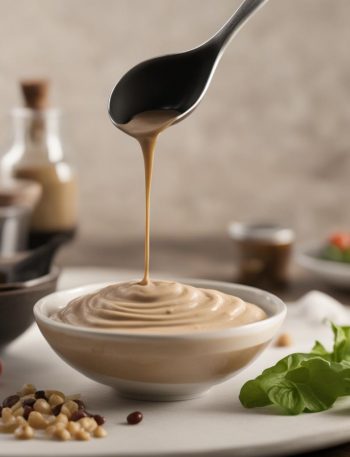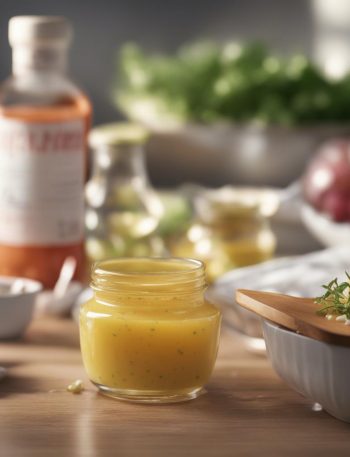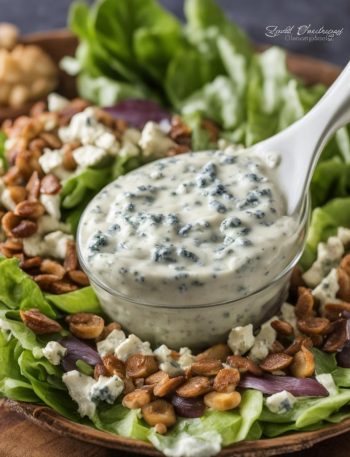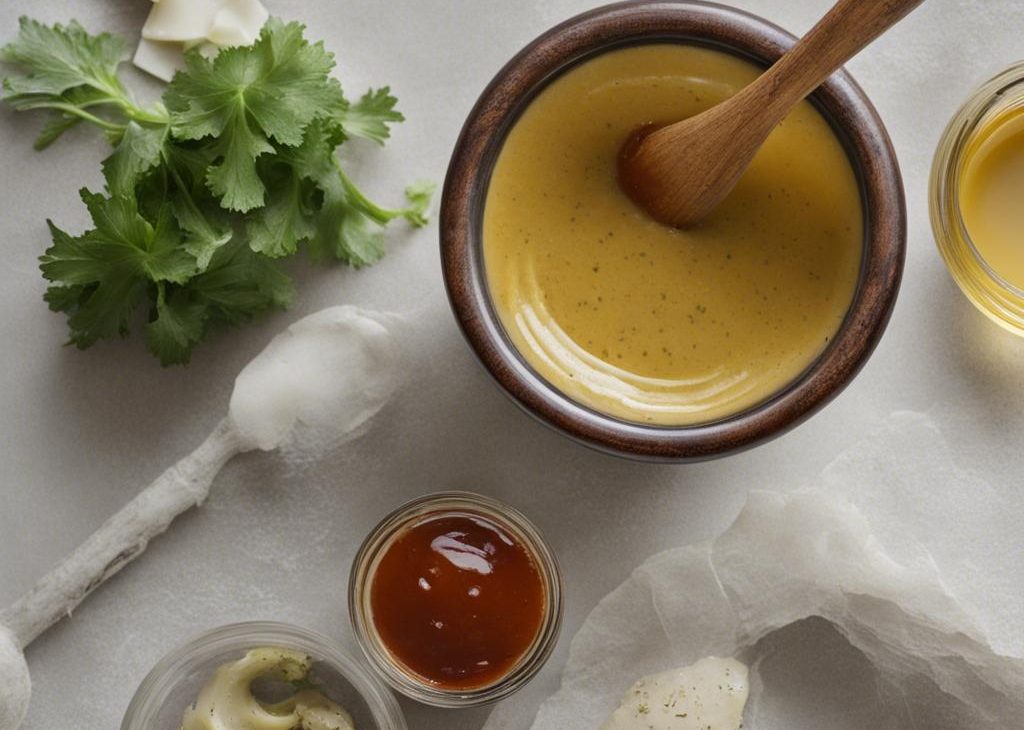

I keep a small list of recipes that earn their space because they do not make the kitchen feel chaotic, and Old Dutch dressing is on that list. The first time I worked through this one, I wrote a note in the margin about the texture: watch the middle, not just the edges. That note still matters, whether I am making it on a quiet afternoon or fitting it between errands.
What I like about this version is the balance of white vinegar and light brown sugar. It has enough structure to feel dependable, but it still leaves room for the small adjustments I make in a normal home kitchen. If a bowl is a little smaller than I wanted or the oven runs hot, I can still steer the recipe back on track.
The recipe serves 4 and the working rhythm is 7 minutes of prep, 15 minutes of cooking. I am not trying to dress it up with extra steps. I want clear mixing, careful timing, and a finished Old Dutch dressing that tastes like someone paid attention.
Why I keep coming back to this
- The ingredient list is honest. I can see what white vinegar is doing instead of hiding it behind extra add-ins.
- The timing is manageable. 7 minutes of prep, 15 minutes of cooking gives me a realistic plan before I begin.
- It scales into real life. I can make it for family, portion it neatly, and still have leftovers that behave well.
- The texture tells me when it is ready. I rely on touch, color, and aroma instead of blindly trusting the clock.
- It welcomes small changes. I can adjust sweetness, seasoning, or toppings without losing the point of the recipe.
- Cleanup stays reasonable. I keep bowls and pans to a minimum whenever the method allows it.
What I use and why it matters
- 1/2 cup white vinegar.
- 1 1/2 Cup light brown sugar. It sweetens, but it also affects color and set, so I keep the amount steady.
- 2 teaspoon Ground Black Pepper. A few cracks at the end wake up the other flavors.
- 3 teaspoon Smoked Paprika.
- 2 Cup Water.
- 3 teaspoon Salt. A small amount sharpens every other flavor in the recipe.
How I make it
Step 1 — Combine the ingredients
In a medium-sized saucepan, mix together water, brown sugar, white vinegar, salt, paprika and black pepper.
Step 2 — Bring to a boil
Bring the mixture to a boil over medium-high heat then reduce the heat to low and simmer for about 5 minutes. The mixture should be thickened.
Step 3 — Cool completely
Remove the saucepan from the heat and let it cool to room temperature.
Step 4 — Blend until smooth
Once cooled, pour the mixture into a blender and blend until smooth. I scrape the bowl one more time because pockets of unmixed cream, sugar, or seasoning always show up at the edge.
Tips from my kitchen
- Read the whole method first. I have saved myself from cold butter, warm cream, or a missing pan by doing this before I touch a bowl.
- Use the visual cues. Color, thickness, bubbling, and set matter as much as the listed time, especially if the oven or burner runs unevenly.
- Do not rush cooling. Slices, cookies, bars, and creamy fillings all cut cleaner after they have had time to settle.
- Season in small moves. If salt, vinegar, lemon, or spice can be adjusted at the end, I add a little and taste before adding more.
- Give it a short rest. Even quick recipes taste more settled after the flavors sit together for a few minutes.
Variations I have actually tried
- Less sweet: I reduce the sweetest ingredient slightly only when the structure does not depend on it; with Old Dutch dressing, I start small.
- More crunch: I add toasted nuts, crumbs, or crackers at the end so they stay crisp instead of steaming into the mixture.
- Brighter flavor: I use a little lemon, vinegar, or extra vanilla when the batch tastes heavy after cooling.
- Make-ahead version: I prepare the base earlier in the day and wait on final toppings or crisp pieces until serving.
- Smaller batch: I halve the recipe only when the pan or bowl size still gives the same depth and contact with heat.
Storing and reheating
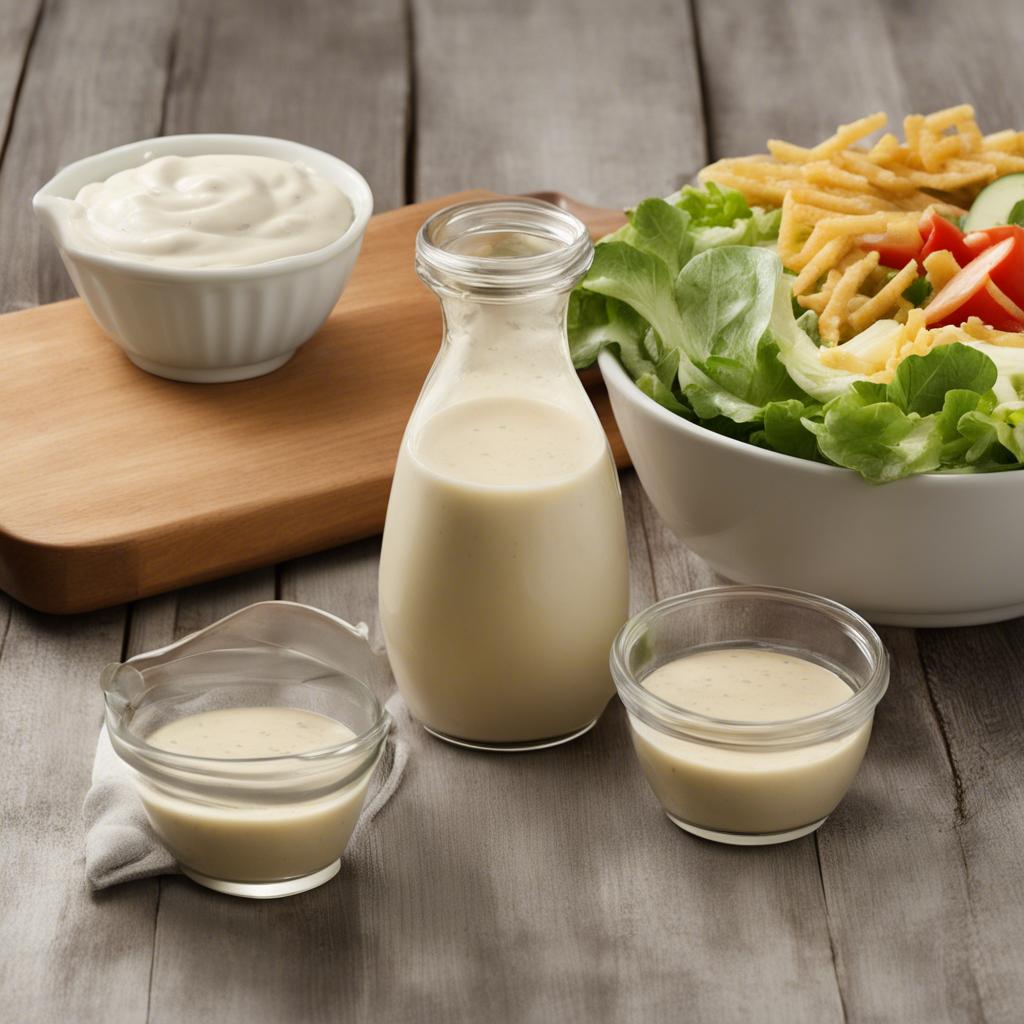
I keep mixed recipes cold unless they are meant to sit at room temperature. A tight container protects the flavor and keeps the top from drying out. If the mixture firms up in the refrigerator, I let it stand briefly and stir before serving.
For frostings, dressings, salads, and drinks, I refresh texture instead of reheating. That might mean whisking in a spoonful of liquid, folding gently, or adding the crisp ingredients right before the bowl goes to the table.
What I serve with it
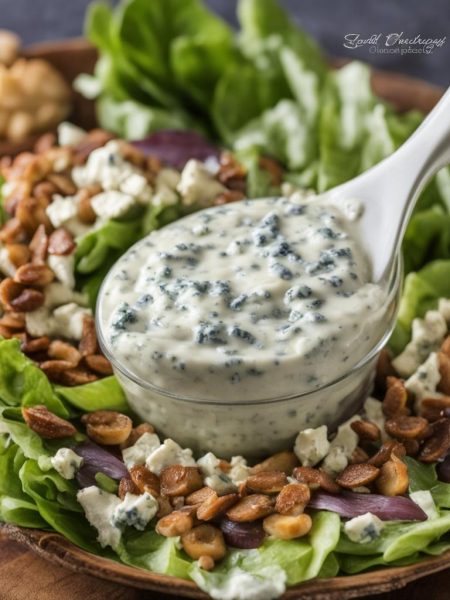
I spoon this over crisp lettuce, cabbage slaws, grilled chicken, or a simple potato salad. A little goes farther than it looks, so I start with less and add more after tossing.
Frequently asked questions
Can I make Old Dutch dressing ahead of time?
Yes. I look at the texture first: crisp toppings wait until serving, while fillings, doughs, dressings, and chilled mixtures usually handle a head start well. The listed prep time is 7, so I plan around cooling or resting.
Why is my mixture too thin?
I chill it first before changing the recipe. Cold often firms cream, icing, dressing, and no-bake fillings. If it still seems loose, I add the thick ingredient a spoonful at a time.
Can I adjust the sweetness?
Usually, yes, but I do it carefully. Sugar can affect thickness, browning, and set, so I reduce in small amounts and taste after the mixture has rested.
Can I double the recipe?
I double ingredients only when I also have a bowl, pan, or pot large enough to keep the same depth. If the food sits deeper, cooking and chilling times change more than expected.
What should I watch most closely?
I watch white vinegar and the final texture. When those look right, the recipe usually lands where I want it, even if the timing shifts a little.
If you make Old Dutch dressing, leave a note with what you changed or what you served with it — I read those details because they help the next batch.
A few final kitchen notes
I keep this recipe in the practical category: measure carefully, give the mixture the time it asks for, and do not cover it while steam is still rising. Those small habits sound plain, but they are the difference between a batch that tastes rushed and one that feels settled. I also write down any change I make, because the adjustment that seems obvious in the moment is easy to forget the next time I cook.
When I serve it, I pay attention to the first bite and the leftovers. If both are good, the recipe has done its job. If one falls short, I know where to tweak next time: more rest, a lighter hand with dry ingredients, or a little more seasoning at the end.
Old Dutch dressing
Description
Old Dutch dressing is my practical version of this recipe, written with clear timing, measured ingredients, and the texture cues I rely on in my own kitchen. I include storage notes, variations, and answers to the questions that usually come up while making it.
Ingredients You’ll Need
Instructions
- In a medium-sized saucepan, mix together water, brown sugar, white vinegar, salt, paprika and black pepper.
- Bring the mixture to a boil over medium-high heat then reduce the heat to low and simmer for about 5 minutes. The mixture should be thickened.
- Remove the saucepan from the heat and let it cool to room temperature.
- Once cooled, pour the mixture into a blender and blend until smooth.
Note
Measure first. I set out the ingredients before starting so I am not hunting for something with a hot pan or running mixer.
Trust the cues. Time matters, but color, thickness, aroma, and set tell me when the recipe is actually ready.
Cool before covering. Trapped steam softens edges and toppings faster than almost anything else.
Taste when safe. For sauces, dressings, salads, and fillings, I adjust salt or acid after the flavors sit for a few minutes.
Frequently Asked Questions
Yes. I look at the texture first: crisp toppings wait until serving, while fillings, doughs, dressings, and chilled mixtures usually handle a head start well. The listed prep time is 7, so I plan around cooling or resting.
I chill it first before changing the recipe. Cold often firms cream, icing, dressing, and no-bake fillings. If it still seems loose, I add the thick ingredient a spoonful at a time.
Usually, yes, but I do it carefully. Sugar can affect thickness, browning, and set, so I reduce in small amounts and taste after the mixture has rested.
I double ingredients only when I also have a bowl, pan, or pot large enough to keep the same depth. If the food sits deeper, cooking and chilling times change more than expected.
I watch white vinegar and the final texture. When those look right, the recipe usually lands where I want it, even if the timing shifts a little.
You may also like...