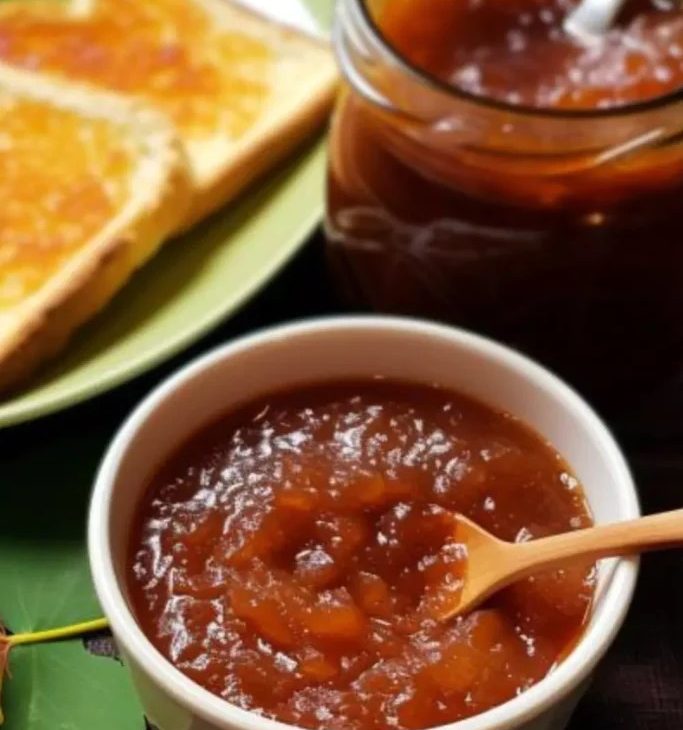

I came back to Srikaya Jam because it solves a real kitchen problem for me: I want something that tastes cared for without making the whole counter look like a project. The first time I made it, I paid close attention to the texture cues instead of just staring at the timer, and that is still how I make it now.
With 15 minutes of prep, 30 minutes of cook time, I can plan it without guessing. I like that the ingredient list starts with familiar things such as coconut milk, water, cornstarch, eggs, then builds flavor in a way that makes sense once everything is in the bowl, pan, or pot.
I am not trying to make Srikaya Jam fancier than it needs to be. I want it steady, repeatable, and good enough that I would make it again on a normal weeknight or a busy baking day. The notes below are the small checks I use so the finished recipe lands where I want it.
Why I keep coming back to this
- I can make it with familiar pantry ingredients instead of a scavenger hunt.
- The stovetop cooking cues are visible — color, smell, and texture tell me when to move on.
- It scales well for leftovers or sharing, especially with the serving size listed below.
- The recipe leaves room for small swaps without losing the main character of Srikaya Jam.
- I can prep the equipment before mixing, which keeps the pace calm once I start.
- It tastes better when I give it the short rest or cooling time instead of rushing the first bite.
What I use and why it matters
- 1 1/2 cup coconut milk.
- 3 tablespoon water.
- 3 tablespoon cornstarch. I rely on it for structure, and I measure it carefully instead of scooping loosely.
- 9-10 large eggs. It helps bind the mixture and gives the finished texture a cleaner set.
- 100 g sugar. It sweetens, but it also affects browning and moisture.
- 1 cup coconut cream.
- 6 pandan leaves.
How I make it
Step 1 — Prep the ingredients
Washing and cleaning 6 pandan leaves, ensuring they are free from any dirt or debris. Tie a knot in each leaf to help release its aromatic flavor during cooking.
Step 2 — Cook the mixture
In a medium-sized pot over medium heat, add the sugar and allow it to cook until it transforms into a golden brown caramel. Stir occasionally to prevent burning.
Step 3 — Simmer
Next, add in coconut cream and stir well with the caramel until fully combined. Slowly pour in coconut milk, while constantly stirring. Drop in the prepared pandan leaves to infuse their unique aroma into the jam and allow it to simmer for a few minutes.
Step 4 — Combine the ingredients
In a separate small bowl, combine the cornstarch with water to create a smooth slurry. This will help thicken the jam later on.
Step 5 — Beat until smooth
I beat the eggs in a separate bowl and slowly pour them into the pot while continuously stirring to prevent curdling. While stirring, gradually add in the cornstarch slurry until the jam reaches a desired thickness.
Step 6 — Simmer
I let the mixture simmer on low heat for approximately 20 minutes, stirring occasionally. Once done, remove it from heat and allow it to cool down for a few minutes before transferring it into containers.
Small details from my kitchen
- I keep the heat moderate. A steady simmer gives me more control than a hard boil.
- I taste near the end. Salt, heat, and acidity are easier to adjust after the main ingredients have had time together.
- I set out every ingredient first. It prevents the awkward moment when butter is soft and an egg is still cold.
- I respect the cooling time. The center keeps setting after the pan leaves the heat, and cutting too soon usually shows.
- I write one note on the printout. If I changed a pan, brand, or timing, I mark it before I forget.
Variations I have actually tried
- Brighter finish: I add lemon, lime, or a small splash of vinegar if the flavor tastes flat.
- Herby version: Fresh cilantro, parsley, or green onion changes the finish without changing the timing.
- Spicier version: I add heat gradually instead of dumping it in at the beginning.
- Make-ahead version: I prep the dry or chopped ingredients early and keep the final mixing for later.
- Smaller batch: I halve the recipe when I am testing a new pan or ingredient brand.
- Serving swap: I change the garnish or side before I change the core recipe; it is safer and usually enough.
Storing and reheating
I cool leftovers in a shallow container so they chill quickly, then reheat gently. If the texture tightens in the refrigerator, I add a small splash of liquid and stir slowly until it loosens. I do not boil creamy sauces hard on the second day because they can separate.
When I freeze portions, I write the date on the bag before it goes into the freezer. That one small habit keeps mystery leftovers from taking over the back shelf.
What I serve with it
I keep the serving simple the first time I make it, then adjust sides and garnishes once I know how bold the main flavor is.
Frequently asked questions
Can I make it ahead?
Yes. I cool it quickly, refrigerate it in a covered container, and reheat gently so the texture does not break or turn mushy.
What if it gets too thick?
I loosen it with a splash of water, milk, broth, or cooking liquid, depending on the recipe, then taste again for salt.
Can I make it less spicy?
I hold back some of the hot ingredient at first. Once the base is cooked, I add more only if the flavor needs it.
What is the biggest mistake to avoid?
For me, it is rushing. Whether it is cooling, simmering, chilling, or resting, the quiet time is usually where the recipe settles.
Do I need special equipment?
I use the equipment named in the instructions when I can, but I also give myself a little flexibility with a similar pan, bowl, or pot size.
If you make Srikaya Jam, leave a note with what you changed or what you served with it; I always like seeing the practical tweaks.
Srikaya Jam
Description
I make Srikaya Jam with coconut milk, water, cornstarch and a method that stays practical from start to finish. The recipe keeps the original timing and gives the texture cues I watch for in my own kitchen.
Ingredients You’ll Need
Instructions
- Washing and cleaning 6 pandan leaves, ensuring they are free from any dirt or debris. Tie a knot in each leaf to help release its aromatic flavor during cooking.
- In a medium-sized pot over medium heat, add the sugar and allow it to cook until it transforms into a golden brown caramel. Stir occasionally to prevent burning.
- Next, add in coconut cream and stir well with the caramel until fully combined. Slowly pour in coconut milk, while constantly stirring. Drop in the prepared pandan leaves to infuse their unique aroma into the jam and allow it to simmer for a few minutes.
- In a separate small bowl, combine the cornstarch with water to create a smooth slurry. This will help thicken the jam later on.
- I beat the eggs in a separate bowl and slowly pour them into the pot while continuously stirring to prevent curdling. While stirring, gradually add in the cornstarch slurry until the jam reaches a desired thickness.
- I let the mixture simmer on low heat for approximately 20 minutes, stirring occasionally. Once done, remove it from heat and allow it to cool down for a few minutes before transferring it into containers.
Nutrition Facts
Servings 20
- Amount Per Serving
- Calories 102kcal
- % Daily Value *
- Total Fat 8g13%
- Saturated Fat 7g35%
- Trans Fat 0.0g
- Sodium 3mg1%
- Potassium 84mg3%
- Total Carbohydrate 8g3%
- Dietary Fiber 1g4%
- Sugars 6g
- Protein 1g2%
- Calcium 4 mg
- Iron 0.6 mg
* Percent Daily Values are based on a 2,000 calorie diet. Your daily value may be higher or lower depending on your calorie needs.
Note
I keep the heat moderate. A steady simmer gives me more control than a hard boil.
I taste near the end. Salt, heat, and acidity are easier to adjust after the main ingredients have had time together.
I set out every ingredient first. It prevents the awkward moment when butter is soft and an egg is still cold.
I respect the cooling time. The center keeps setting after the pan leaves the heat, and cutting too soon usually shows.
Frequently Asked Questions
You may also like...