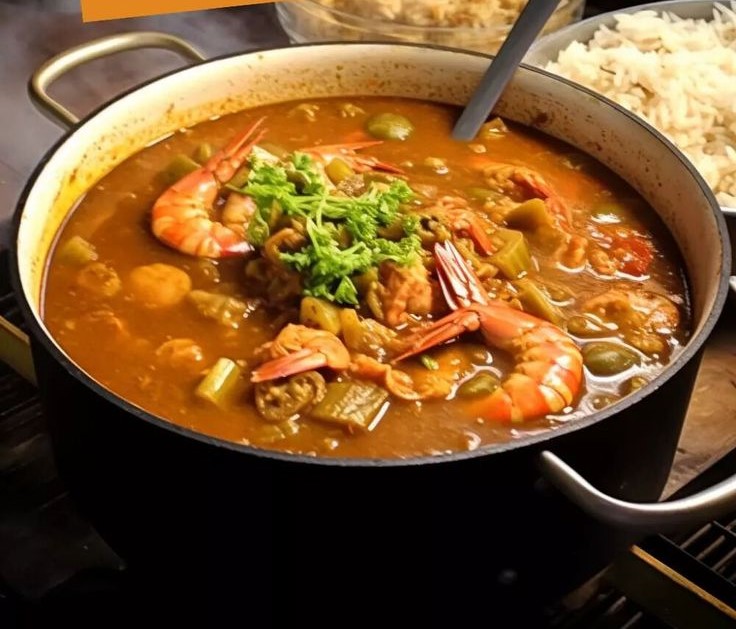

I came back to Stalekracker Gumbo because it solves a real kitchen problem for me: I want something that tastes cared for without making the whole counter look like a project. The first time I made it, I paid close attention to the texture cues instead of just staring at the timer, and that is still how I make it now.
With 20 minutes of prep, 40 minutes of cook time, I can plan it without guessing. I like that the ingredient list starts with familiar things such as Sliced okra, Cajun Crawfish tail meat, Old Earl, Water, then builds flavor in a way that makes sense once everything is in the bowl, pan, or pot.
I am not trying to make Stalekracker Gumbo fancier than it needs to be. I want it steady, repeatable, and good enough that I would make it again on a normal weeknight or a busy baking day. The notes below are the small checks I use so the finished recipe lands where I want it.
Why I keep coming back to this
- I can make it with familiar pantry ingredients instead of a scavenger hunt.
- The stovetop cooking cues are visible — color, smell, and texture tell me when to move on.
- It scales well for leftovers or sharing, especially with the serving size listed below.
- The recipe leaves room for small swaps without losing the main character of Stalekracker Gumbo.
- I can prep the equipment before mixing, which keeps the pace calm once I start.
- It tastes better when I give it the short rest or cooling time instead of rushing the first bite.
What I use and why it matters
- 2 cups Sliced okra.
- Cajun Crawfish tail meat (as desired).
- 2 cups Old Earl (cooking oil).
- Water (as needed).
- Homemade Seafood stock (quantity as desired).
- Onion (diced). It gives the dish its fresh base, so I cut it neatly before the heat is on.
- Seasonings and spices (to taste).
- Green bell pepper (diced). It is a small amount, but I notice it most in the aroma.
- Fat female crabs (as desired).
- Two-step Fire seasoning (quantity as desired).
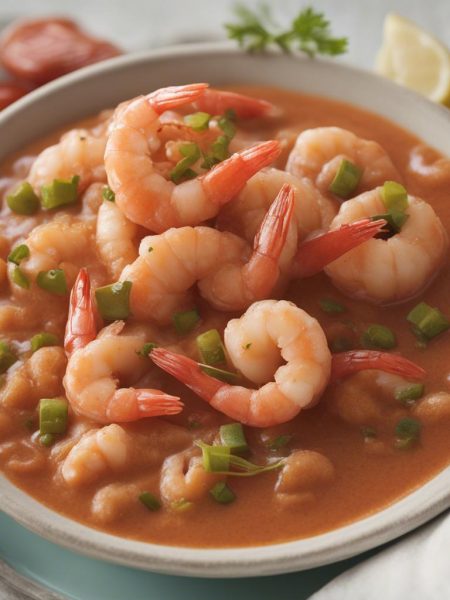
- Louisiana peel-and-deveined shrimps (as desired).
- Lump crab meat (as desired).
- Celery (diced).
- Louisiana oysters (as desired).
- Scallops (as desired).
- 3 cups Cooked rice (for serving).
- 2 cup All-purpose flour. I rely on it for structure, and I measure it carefully instead of scooping loosely.
How I make it
Step 1 — Bring to a boil
Preparing your seafood for the gumbo. Peel and devein Louisiana shrimp, leaving their tails intact. Rinse and drain crawfish tail meat, reserving it for later use. Drain oysters and reserve their liquid. In a large pot, bring homemade seafood stock to a boil and add in fat female crabs, cooking until they turn a vibrant red. Remove the crabs and set aside. In the same pot, bring. I keep going in the same order until this stage is finished.
Step 2 — Add the remaining ingredients
I now it’s time to make your roux. Heat Old Earl (cooking oil) over medium-high heat in a large pot. Gradually add in all-purpose flour, stirring continuously with a wooden spoon until it turns a rich dark brown color, approximately 15-20 minutes. Be cautious not to let the roux burn; if it starts smoking, remove it from the heat and continue stirring until it cools.
Step 3 — Pour and combine
I time to assemble your gumbo! Add diced onion, celery, and green bell pepper to your roux. Stir well for approximately 5 minutes until the vegetables become tender. Gradually pour in reserved liquid from oysters and seafood stock, stirring constantly to avoid lumps. Add sliced okra and continue stirring for another 5 minutes until it begins to thicken. Season with Cajun seasoning, garlic powder, black pepper, cayenne pepper, and Two-step. I keep going in the same order until this stage is finished.
Step 4 — Add the your prepared
I now it’s time to add in your prepared seafood. Place cooked female crabs, shrimp, scallops, and oysters into the pot and cook for an additional 5 minutes until all seafood is heated through. Taste and adjust seasoning as needed.
Step 5 — Garnish and finish
I serve the delicious gumbo by ladling it into bowls and topping it with a scoop of cooked rice. For added flavor, garnish with chopped green onions if desired.
Small details from my kitchen
- I keep the heat moderate. A steady simmer gives me more control than a hard boil.
- I taste near the end. Salt, heat, and acidity are easier to adjust after the main ingredients have had time together.
- I set out every ingredient first. It prevents the awkward moment when butter is soft and an egg is still cold.
- I respect the cooling time. The center keeps setting after the pan leaves the heat, and cutting too soon usually shows.
- I write one note on the printout. If I changed a pan, brand, or timing, I mark it before I forget.
Variations I have actually tried
- More heat: I add cayenne, chili oil, or extra hot sauce in small amounts and taste before adding more.
- Extra vegetables: I stir in quick-cooking greens or diced peppers near the end so they do not disappear.
- Richer bowl: A splash of cream, coconut milk, or an extra handful of cheese makes the texture fuller.
- Brighter finish: Lime juice, vinegar, or fresh herbs wake up leftovers without changing the base recipe.
- Smaller batch: I halve the recipe when I am testing a new pan or ingredient brand.
- Serving swap: I change the garnish or side before I change the core recipe; it is safer and usually enough.
Storing and reheating
I cool leftovers in a shallow container so they chill quickly, then reheat gently. If the texture tightens in the refrigerator, I add a small splash of liquid and stir slowly until it loosens. I do not boil creamy sauces hard on the second day because they can separate.
When I freeze portions, I write the date on the bag before it goes into the freezer. That one small habit keeps mystery leftovers from taking over the back shelf.
What I serve with it
I like a crisp side next to a warm bowl: sliced cucumber, a green salad, pickles, or something acidic enough to cut through the richness.
Frequently asked questions
Can I make it ahead?
Yes. I cool it quickly, refrigerate it in a covered container, and reheat gently so the texture does not break or turn mushy.
What if it gets too thick?
I loosen it with a splash of water, milk, broth, or cooking liquid, depending on the recipe, then taste again for salt.
Can I make it less spicy?
I hold back some of the hot ingredient at first. Once the base is cooked, I add more only if the flavor needs it.
What is the biggest mistake to avoid?
For me, it is rushing. Whether it is cooling, simmering, chilling, or resting, the quiet time is usually where the recipe settles.
Do I need special equipment?
I use the equipment named in the instructions when I can, but I also give myself a little flexibility with a similar pan, bowl, or pot size.
If you make Stalekracker Gumbo, leave a note with what you changed or what you served with it; I always like seeing the practical tweaks.
Stalekracker Gumbo
Description
I make Stalekracker Gumbo with Sliced okra, Cajun Crawfish tail meat, Old Earl and a method that stays practical from start to finish. The recipe keeps the original timing and gives the texture cues I watch for in my own kitchen.
Ingredients You’ll Need
Instructions
- Preparing your seafood for the gumbo. Peel and devein Louisiana shrimp, leaving their tails intact. Rinse and drain crawfish tail meat, reserving it for later use. Drain oysters and reserve their liquid. In a large pot, bring homemade seafood stock to a boil and add in fat female crabs, cooking until they turn a vibrant red. Remove the crabs and set aside. In the same pot, bring more seafood stock to a simmer and add in crawfish tails, cooking until they are opaque. Set aside for later use.
- I now it's time to make your roux. Heat Old Earl (cooking oil) over medium-high heat in a large pot. Gradually add in all-purpose flour, stirring continuously with a wooden spoon until it turns a rich dark brown color, approximately 15-20 minutes. Be cautious not to let the roux burn; if it starts smoking, remove it from the heat and continue stirring until it cools.
- I time to assemble your gumbo! Add diced onion, celery, and green bell pepper to your roux. Stir well for approximately 5 minutes until the vegetables become tender. Gradually pour in reserved liquid from oysters and seafood stock, stirring constantly to avoid lumps. Add sliced okra and continue stirring for another 5 minutes until it begins to thicken. Season with Cajun seasoning, garlic powder, black pepper, cayenne pepper, and Two-step Fire seasoning to your liking. Allow the gumbo to come to a boil, then reduce the heat and let it simmer for 20 minutes.
- I now it's time to add in your prepared seafood. Place cooked female crabs, shrimp, scallops, and oysters into the pot and cook for an additional 5 minutes until all seafood is heated through. Taste and adjust seasoning as needed.
- I serve the delicious gumbo by ladling it into bowls and topping it with a scoop of cooked rice. For added flavor, garnish with chopped green onions if desired.
Nutrition Facts
Servings 5
- Amount Per Serving
- Calories 182kcal
- % Daily Value *
- Total Fat 1g2%
- Trans Fat 0.0g
- Sodium 1mg1%
- Potassium 54mg2%
- Total Carbohydrate 38g13%
- Dietary Fiber 1g4%
- Protein 5g10%
- Calcium 8 mg
- Iron 2.3 mg
* Percent Daily Values are based on a 2,000 calorie diet. Your daily value may be higher or lower depending on your calorie needs.
Note
I keep the heat moderate. A steady simmer gives me more control than a hard boil.
I taste near the end. Salt, heat, and acidity are easier to adjust after the main ingredients have had time together.
I set out every ingredient first. It prevents the awkward moment when butter is soft and an egg is still cold.
I respect the cooling time. The center keeps setting after the pan leaves the heat, and cutting too soon usually shows.