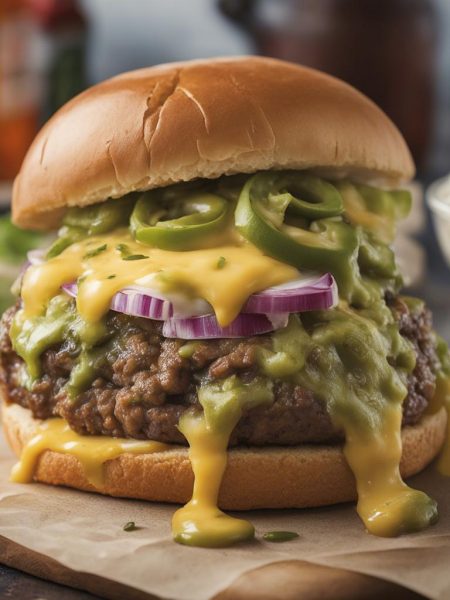

I make Whataburger Black Pepper Ketchup when I want the familiar flavor of the original idea but with the control that comes from cooking at home. The first time I tested a version like this, I paid less attention to texture than flavor, and that was the mistake. The taste was close, but the finish needed a steadier hand.
Now I treat this ketchup like a small kitchen project: measure first, cook or mix with patience, and let the final texture tell me when to stop. It is not complicated, but it rewards paying attention to the little cues that recipes often skip.
The amounts below stay tied to the kitchen notebook, so I do not treat this as a guessing game. I use the listed quantities, the same timing, and the same serving count, then add the notes I wish I had beside me the first time I made it.
Why I keep coming back to this
- I can prep it without clearing the whole counter, which matters on a busy night.
- The ingredient list stays familiar, but the finished flavor feels more careful than takeout.
- It gives me enough room to adjust heat, sweetness, and texture without rewriting the recipe.
- The leftovers are useful, not sad, as long as I store the pieces the right way.
- I can tell when it is ready by smell and texture, not only by the timer.
- It works for a small craving but also scales well when I am feeding a table.
What I use and what each piece does
- 1 tablespoon extra virgin olive oil.
- 1 medium onion (finely chopped).
- 3 cloves garlic (minced).
- 1 jalapeno pepper (finely chopped (optional for a spicy ketchup — or use a hotter pepper for extra heat!).
- 1 1 28-ounce can diced tomatoes with juices, or use an equivalent amount of fresh chopped tomatoes.
- 3 tablespoons tomato paste.
- 1/3 cup apple cider vinegar.
- 1/3 cup dark brown sugar.
- 2 tablespoons Worcestershire sauce.
- 1 tablespoon maple syrup (for a touch of natural sweetness).
- 1/2 teaspoon chili powder (or use cayenne pepper, or a combination of both for heat).
- 1/2 teaspoon ground mustard.
- 1/4 teaspoon ground cloves.
- 1/4 teaspoon ground allspice.
- Remaining toppings and finishing items. freshly ground black pepper, Salt, smoked paprika. I keep these ready before assembly so the hot parts do not wait on me.
How I make it
Step 1 — Add the remaining ingredients
In a saucepan, heat the extra virgin olive oil over medium heat. When it shimmers, toss in the finely chopped onion. Stir it for about 5-7 minutes until it’s soft and translucent. The aroma will fill your kitchen. Now, add the minced garlic and optional jalapeno pepper. Cook for another minute, allowing the garlic to release its fragrant essence.
A recipe like Whataburger Black Pepper Ketchup feels easier when I am not washing my hands every thirty seconds to grab one more thing.
Step 2 — Add Tomatoes
Next, you want to incorporate the diced tomatoes. If using canned tomatoes, pour in the juices as well. For fresh tomatoes, chop them ahead of time and add into the mix. Stir well, allowing those flavors to combine.
Step 3 — Blend until smooth
Now comes the interesting part. Add the tomato paste, apple cider vinegar, dark brown sugar, Worcestershire sauce, and maple syrup. This collection creates a harmonious blend. Feel free to adjust the sweetness with the brown sugar and maple syrup based on your taste.
Step 4 — Stir the everything
Toss in chili powder, ground mustard, ground cloves, ground allspice, black pepper, and salt. Stir everything to ensure all ingredients are well-combined. This is where the change of flavor begins to deepen.
Step 5 — Simmer
Bring the mixture to a simmer. Let it bubble gently for about 20 minutes. Don’t forget to stir occasionally. This simmering time allows the flavors to meld beautifully. The scent will make you want to dive right into it.
Step 6 — Finish and serve
If you prefer a smoother ketchup, use an immersion blender to blitz it to your desired consistency. If you prefer it chunky, feel free to leave it as it is.
Timing and texture cues I watch
For this batch, the prep time is 10 min, cook time is 45 min. I still keep my eyes on the food because stove heat, oven strength, and even the thickness of a sauce can shift a few minutes either way.
When something seems off, I pause before adding more ingredients. A sauce may need two minutes to thicken. A cookie may need five minutes on the pan before it feels sturdy. A fried item may need a rack instead of paper towels so the bottom does not steam. Those small pauses have saved more of my batches than extra seasoning has.
Tips from my kitchen
- I measure the strong seasonings first because a tiny scoop of pepper, cayenne, or salt changes the whole batch.
- I keep the heat steadier than I think I need; rushing usually gives me browned edges before the center is ready.
- I taste once before serving and once after a short rest, because warm fat and cold dairy carry seasoning differently.
- I set out the serving pieces before the final step so the food does not sit while I hunt for plates or jars.
- I write down any change I make, especially with sauces, because the second batch is hard to repeat from memory.
Variations I have actually tried
- Milder: I reduce the hot sauce, jalapeno, or black pepper and add a little more dairy, mayonnaise, or butter if the recipe has it.
- Smokier: I add a pinch of smoked paprika or a few drops of liquid smoke when the ingredient list already leans savory.
- Brighter: I finish with a squeeze of lemon or lime when the dish tastes heavy after cooking.
- Extra-Crisp: I give fried or baked pieces more space on the pan so steam does not soften the edges.
- Weeknight Shortcut: I prep the sauce, filling, or dry mix earlier in the day and finish the hot step right before eating.
How I store and reheat it
I scrape Whataburger Black Pepper Ketchup into a clean jar, press a lid on tightly, and refrigerate it. If it thickens, I stir in a few drops of water, milk, or vinegar depending on the flavor direction. I do not leave creamy sauces on the counter while the rest of dinner comes together.
Frequently asked questions
Can I can this ketchup for longer storage?
I yes, you can can the ketchup using a traditional water bath canning method. Just ensure jars are sterilized and follow safe canning practices.
Can I use this ketchup in recipes?
I absolutely! It’s great as a marinade for meats, or even as a base for barbecue sauces or chili.
Can I make this ketchup vegan?
I this recipe is already vegan since it doesn’t contain any animal products. Enjoy guilt-free!
How spicy can I make it?
I adjust the jalapeno and chili powder to your spice tolerance. You can also add fresh or dried hot peppers.
What’s the best way to serve this ketchup?
I feel free to get creative! Use it with traditional sides or try it in unexpected ways, like a glaze for roasted vegetables.
If you make Whataburger Black Pepper Ketchup, I would like to hear what small adjustment made it work in your kitchen.
Whataburger Black Pepper Ketchup
Description
I make Whataburger Black Pepper Ketchup as a practical home-kitchen version with the measurements clear and the texture cues spelled out. The instructions focus on what I watch as I cook, mix, chill, or assemble it.
Ingredients You’ll Need
Instructions
- In a saucepan, heat the extra virgin olive oil over medium heat. When it shimmers, toss in the finely chopped onion. Stir it for about 5-7 minutes until it's soft and translucent. The aroma will fill your kitchen. Now, add the minced garlic and optional jalapeno pepper. Cook for another minute, allowing the garlic to release its fragrant essence.
- Next, you want to incorporate the diced tomatoes. If using canned tomatoes, pour in the juices as well. For fresh tomatoes, chop them ahead of time and add into the mix. Stir well, allowing those flavors to combine.
- Now comes the interesting part. Add the tomato paste, apple cider vinegar, dark brown sugar, Worcestershire sauce, and maple syrup. This collection creates a harmonious blend. Feel free to adjust the sweetness with the brown sugar and maple syrup based on your taste.
- Toss in chili powder, ground mustard, ground cloves, ground allspice, black pepper, and salt. Stir everything to ensure all ingredients are well-combined. This is where the change of flavor begins to deepen.
- Bring the mixture to a simmer. Let it bubble gently for about 20 minutes. Don't forget to stir occasionally. This simmering time allows the flavors to meld beautifully. The scent will make you want to dive right into it.
- If you prefer a smoother ketchup, use an immersion blender to blitz it to your desired consistency. If you prefer it chunky, feel free to leave it as it is.
- Remove the saucepan from heat and let the ketchup cool. Once cooled, transfer it to an airtight container and refrigerate. It's great homemade goodness that gets better over time.
Note
Taste before serving. I make one small adjustment at the end because Whataburger Black Pepper Ketchup changes as it rests.
Keep the heat controlled. I get a cleaner texture when I avoid rushing the hot step.
Serve promptly. I like the contrast best when crisp parts, creamy parts, or chilled parts are still distinct.
Store in layers. I keep sauces, toppings, and crisp pieces separate whenever I can.
Frequently Asked Questions
I yes, you can can the ketchup using a traditional water bath canning method. Just ensure jars are sterilized and follow safe canning practices.
I absolutely! It's great as a marinade for meats, or even as a base for barbecue sauces or chili.
I this recipe is already vegan since it doesn't contain any animal products. Enjoy guilt-free!
I adjust the jalapeno and chili powder to your spice tolerance. You can also add fresh or dried hot peppers.
I feel free to get creative! Use it with traditional sides or try it in unexpected ways, like a glaze for roasted vegetables.